free printable dog coat pattern pdf

Overview of Free Printable Dog Coat Patterns

Free printable dog coat pattern PDFs let you craft cozy jackets at home․ Popular sources include Closet Core, Aberdeen, and Instructables․ These PDFs provide step‑by‑step layouts, fabric suggestions, and sizing charts, making DIY canine fashion accessible and budget‑friendly․

What Is a Dog Coat Pattern PDF?

A dog coat pattern PDF is a downloadable, printable blueprint that outlines every piece of fabric, seam allowance, and construction detail needed to sew a custom jacket for your canine companion․ These PDFs typically include a full‑size diagram, a cut list, and step‑by‑step instructions, allowing hobbyists to replicate professional designs at home․ The pattern is usually split into sections—front, back, sleeves, collar, and fasteners—each labeled with measurements that can be adjusted for different breeds․ Users can print the PDF on standard home printers, cut the template onto paper, and transfer the layout onto fabric․ Many free patterns, such as the Closet Core Dog Coat, Aberdeen Dog Coat, and the Simple Dog Jacket from Instructables, are available in multiple sizes and come with optional variations like Velcro or hook‑and‑loop closures․ Because the PDF format is universally accessible, you can download, print, and assemble the jacket without needing specialized software․ Additionally, the digital nature of the pattern means you can easily scale the design, print multiple copies for different dogs, or share the file with friends who want to try their hand at dog apparel․ In short,a dog coat pattern PDF is a versatile, cost‑effectivetool that empowers pet owners to create personalized, well‑fitting coats for their dogs using readily available materials and simple sewing techniques․

Benefits of Using Printable Patterns

Printable dog coat patterns offer a host of advantages that make them a favorite among pet owners and crafters alike․ First, they are budget‑friendly: free PDFs eliminate the cost of commercial patterns, allowing you to use leftover fabric or inexpensive swatches․ Second, they provide instant access—download, print, and start sewing in minutes, without waiting for shipping or ordering from a specialty store․ Third, the digital format ensures you can easily scale the design to fit any size, from a tiny terrier to a large mastiff, simply by adjusting the measurements in the PDF․ Fourth, many patterns include step‑by‑step photos or diagrams, which reduce the learning curve for beginners and help avoid common mistakes․ Fifth, the ability to customize is unparalleled: you can add Velcro, hook‑and‑loop fasteners, or decorative trims directly onto the template before printing․ Sixth, printable patterns are environmentally friendly—no paper packaging, and you can print on recycled paper or use a duplex printer to save sheets․ Finally, the community around free patterns often shares tips, fabric recommendations, and troubleshooting advice, creating a supportive network for DIY dog apparel projects․ By leveraging these free resources, you can experiment with different fabrics, colors, and styles, ensuring your dog stays warm, stylish, and comfortable throughout the season․ Creativity shines stitches․

Key Sources of Free Patterns

Key sources include Closet Core’s PDF, Aberdeen’s simple one‑piece design, and Instructables’ step‑by‑step jacket․ Each offers free, downloadable layouts, sizing charts, and optional Velcro or hook‑and‑loop fasteners, making DIY canine coats accessible to all skill levels․ Today․

Closet Core Dog Coat Pattern

Closet Core offers a free PDF dog coat pattern that’s popular among DIY pet owners․ The design is available in multiple sizes, allowing you to match the exact dimensions of your dog’s body․ The pattern includes a single piece that folds into a simple, snug jacket, making it easy to assemble for beginners․ Fabric suggestions are provided, ranging from lightweight cotton for summer to thicker fleece for winter․ The PDF also contains clear instructions on how to cut, sew, and add Velcro or hook‑and‑loop fasteners for a secure fit․ Users appreciate the flexibility of the pattern, as it can be adapted to different breeds and coat types․ By using the free download, you can save on commercial pet clothing and create a personalized, cozy garment that fits your dog perfectly․ The pattern’s popularity has grown since its release in 2025, and many reviewers note that the step‑by‑step layout reduces confusion, especially when using scraps or leftover fabric․ Whether you’re a seasoned seamstress or a beginner, Closet Core’s dog coat PDF is a reliable resource for crafting a warm, stylish jacket for your furry friend․ This user‑friendly pattern also includes a handy size chart, allowing you to adjust sleeve length and collar width for a perfect fit․ With a simple stitch line, you can add decorative patches or a small embroidered name tag to personalize the jacket further․ Add a pocket for treatsor a pouch․

Aberdeen Dog Coat Pattern

Aberdeen’s free dog coat PDF is celebrated for its minimalistic design and ease of construction․ The pattern consists of a single, symmetrical piece that folds into a snug jacket, making it ideal for dogs of all sizes․ Two hook‑and‑loop fasteners secure the garment, eliminating the need for buttons or zippers and ensuring a quick, hassle‑free fit․ The PDF includes a detailed size chart that maps common dog measurements—neck, chest, and length—to the appropriate pattern dimensions, so you can tailor the coat to your pet’s exact proportions․ Fabric recommendations range from lightweight canvas for mild climates to insulated fleece for colder weather, and the instructions advise cutting along the grain to maintain shape and durability․ Assembly steps are straightforward: cut the pattern, sew the seam, attach the fasteners, and add optional pockets or decorative trim․ Users praise the pattern’s versatility, noting that it works well with both natural fur and short‑haired breeds․ Because the design is open‑source, you can modify the shape or add a hood without altering the core structure․ The PDF also offers tips for trimming excess fabric, reinforcing stress points, and maintaining a clean finish․ Whether you’re a seasoned sewist or a beginner, Aberdeen’s dog coat PDF provides a reliable, budget‑friendly solution for keeping your canine companion warm and stylish․ The pattern’s open‑source nature lets you experiment with color blocking or add a small embroidered logo for extra flair and a tag now!? The simple construction makes it a quick, no‑fuss solution for owners to keep dogs warm on walks!!

Simple Dog Jacket Pattern from Instructables

Simple Dog Jacket Pattern from Instructables offers a step‑by‑step guide that turns a basic fabric piece into a functional, weather‑proof coat․ The design is inspired by a jacket a friend gifted, which the creator loved for its effortless fit and quick removal․ The pattern is split into eight clear stages, each illustrated with photos that show cutting, sewing, and assembly․ Key features include a single, symmetrical body piece that folds into a snug jacket, a Velcro closure for instant on/off, and optional pockets for treats or accessories․ The PDF supplies a size chart that matches common dog measurements—neck, chest, and length—to the pattern dimensions, ensuring a tailored fit․ Fabric suggestions range from breathable cotton for mild days to insulated flannel for winter, with instructions on how to layer for extra warmth․ The instructions emphasize using a lightweight thread to avoid bulk, and they recommend a straight‑stitch seam for durability․ The Velcro fastener is positioned at the front, allowing the jacket to be slipped on or off without fuss, making it ideal for dogs that are nervous about tight closures․ Users highlight the pattern’s simplicity, noting that even novices can complete the project in a few hours․ The PDF also includes troubleshooting tips for common issues such as uneven seams or loose Velcro, and offers ideas for customization—adding a hood, altering the length, or changing the color palette․ Overall, this free printable pattern provides an accessible, cost‑effective way to keep your dog cozy while showcasing a DIY spirit․ The pattern is downloadable as a PDF, making it easy to print multiple copies for family pets or to share with friends․ The layout includes clear seam allowances and notches for accurate assembly․ Additionally, the Instructables community has contributed user photos demonstrating variations such as a hooded version or a reversible design․ The pattern’s open‑source nature encourages experimentation with different fabrics, from lightweight polyester blends to heavy‑weight canvas, allowing owners to tailor the jacket to seasonal needs․ Finally, the guide encourages sustainable practices by suggesting the use of leftover fabric scraps, reducing waste while creating a personalized garment․ Enjoy the process and share your creations․

Choosing the Right Pattern for Your Dog

Select a pattern that matches your dog’s size and activity level․ Use the size chart in the PDF, measure chest, neck, and length, and choose fabric that suits weather and comfort․ Adjust seam allowances for a snug fit․ all 4

Measuring Your Dog for Accurate Fit

Measuring your dog is the first step toward a well‑fitted coat․ Begin by measuring the chest circumference: place a flexible tape just behind the front legs, keeping it snug but not tight․ Next, measure the neck width at the widest point to set the collar size․ The length measurement runs from the base of the skull to the base of the tail, ensuring the coat covers the back without excess fabric․ For patterns with a hood, measure the head circumference at the widest part of the skull․ If your dog has a long snout, add an extra inch to the front panel for comfort․ Always add a ½‑inch seam allowance to each measurement; this gives the pattern a little extra room․ Use a washable tape or a piece of string marked with a pencil if you don’t have a tape measure․ Once you have all numbers, compare them to the pattern’s size chart—many free PDF patterns, such as those from Closet Core or the Aberdeen Dog Coat, provide a chart that matches chest, neck, and length to a specific size․ If your dog falls between sizes, choose the larger size and adjust the pattern by trimming or adding fabric as needed․ Test the fit on a piece of fabric before cutting into your chosen material; this helps catch miscalculations and keeps your pup warm comfortable in winter andThis approach ensures a perfect fit and a stylish look for your dog․ It saves time and money․ Quick and easy․!

Selecting Fabric Types and Materials

Choosing the right fabric for a free printable dog coat pattern PDF is essential for comfort, durability, and style․ Lightweight cotton blends, such as cotton‑polyester mixes, are ideal for casual summer jackets because they breathe and are easy to wash․ For colder months, a fleece or a quilted polyester lining adds warmth without bulk․ Waterproof or water‑repellent fabrics like nylon or polyester with a DWR finish protect against rain and snow, making them perfect for outdoor adventures․ If your dog has sensitive skin, opt for natural fibers such as bamboo or organic cotton, which reduce irritation are breathable․ A mix of a sturdy outer layer and a soft inner lining ensures the coat stays intact while staying comfortable․ Many free PDF patterns, including those from Closet Core and Aberdeen, provide fabric recommendations; follow their suggested weight and finish to match the pattern’s design․ When selecting fabric, consider the dog’s activity level: a durable canvas works for active breeds, whereas a softer jersey works for relaxed pets․ Always test a small swatch for colorfastness and stretch before cutting the full pattern․ Finally, add a seam allowance of ½ inch and use matching thread color to keep the coat neat and professional․ It reduces waste more!!

Printing and Assembly Tips

Print the PDF on high‑resolution paper, ensuring margins match the pattern’s scale․ Use a laser printer for lines․ Cut pieces on a flat surface, double‑check seam allowances․ Sew with a medium needle, matching thread․ Finish edges with a serger or overlock for durability․!!

Printing Tips for Clear Pattern Layout

When printing a free dog coat pattern PDF, start by selecting a high‑resolution PDF viewer that preserves scale․ Open the document in Adobe Acrobat or a similar program and choose “Print” → “Page Scaling: None” to avoid automatic resizing․ Set the paper size to the exact dimensions required (usually 8․5”×11” or A4) and enable “Borderless Printing” if your printer supports it; this eliminates white margins that can shift pattern pieces․ Use a high‑quality printer—laser printers typically yield sharper lines than inkjet models, especially for fine detail․ Print on thick, smooth paper or cardstock to prevent the pattern from curling or tearing during cutting․ Before cutting, run a test print on regular paper to confirm that all measurements and seam lines align correctly; if the test shows any distortion, adjust the PDF’s scale in the print dialog until the printed size matches the original․ Keep the original PDF file in a folder labeled “Pattern Files” for easy reference, and always double‑check that the orientation (portrait vs․ landscape) matches the layout in the PDF․ Finally, after printing, use a ruler and a sharp craft knife to trim the edges precisely, ensuring a clean, professional look for your dog coat project․ By following these printing guidelines, you’ll get crisp, accurate pattern pieces that fit your dog perfectly, saving time and material while keeping coat for warm season ․

Customization and Troubleshooting

Adjust fit by trimming sleeves or adding extra fabric․ Swap Velcro for snaps if preferred․ If seams gape, reinforce with double‑stitching․ For uneven cuts, use a ruler and a rotary cutter․ Keep a spare pattern sheet for quick fixes Add a pocket for treats or a collar loop now!

Adding Velcro or Hook-and-Loop Fasteners

When adapting a free printable dog coat PDF, the choice of fastening can dramatically affect both comfort and ease of use․ Velcro strips are a popular option because they allow quick removal and secure closure․ For a lightweight jacket, cut a narrow strip (about 1․5 cm wide) from a soft, durable fabric or purchase ready‑made hook‑and‑loop tape․ Attach the hook side to the front panel of the coat, aligning it with the collar or chest area․ The loop side goes on the corresponding panel, ensuring the tape is centered and flat to prevent snagging․ When sewing, use a 2‑mm stitch length to avoid puckering․ If you prefer a more traditional look, hook‑and‑loop fasteners can be hidden behind a small flap or a decorative button․ For larger dogs, consider adding a second fastening line along the back to distribute tension evenly․ Always test the closure before cutting the final pieces: slide the fastener open and closed several times to confirm it holds weight and does not irritate the dog’s skin․ If the dog has a sensitive coat, opt for a softer, hypoallergenic loop material․ Additionally, you can reinforce the fastener area with a small piece of elastic or a thin strip of fabric to prevent wear over time․ Finally, remember to trim any excess tape after sewing to keep the coat neat and reduce bulk․ This simple adjustment makes the coat both functional and comfortable for your pup thrive․ Enjoy crafting, pup thrive now!

Common Challenges and How to Resolve Them

When turning a free printable dog coat PDF into a finished garment, several pitfalls can arise․ The first is pattern scaling: many PDFs assume a standard size, but dogs vary in shape․ If the pattern is too large, the coat will be loose; too small, it will restrict movement․ To fix this, use the provided sizing chart, measure your dog’s chest, length, and neck, and adjust the pattern by a few millimeters on each side․ Shrinkage is another frequent issue․ Natural fibers like cotton or flannel can contract after washing, causing a snug fit․ Pre‑wash the fabric before cutting, or add a 2‑cm seam allowance to accommodate shrinkage․ Misaligned seams can lead to a crooked look or uneven weight distribution․ Dogs that move a lot may cause the coat to shift or pull at the seams․ Adding a small elastic band around the waist or using a double‑layered panel can help keep the coat in place․ Finally, color bleeding or fabric tearing during cutting can ruin the finished product․ Use a sharp rotary cutter, a cutting mat, and a ruler to ensure clean cuts․ If the fabric is slippery, lay a piece of non‑slip fabric underneath to keep it steady․ By anticipating these common challenges and applying the suggested fixes, you can transform a simple PDF into a durable, comfortable, and well‑fitted coat that your dog will love Remember to trim excess tape for a neat finish

world geography textbook 9th grade pdf

Overview of 9th Grade World Geography Textbook PDF

Explore global landscapes, cultures, and economies through a 9th‑grade World Geography PDF. The book offers interactive maps, climate data, and socio‑economic case studies, enabling students to analyze spatial relationships and global interdependence. Ideal for classroom and self‑study 9th‑grade PDF.

1.1 Purpose and Target Audience

The 9th‑grade World Geography PDF is a gateway for students moving from middle to high school. It introduces the spatial dimensions of the world, covering physical landscapes, human systems, and global interactions. Designed for classroom students, self‑directed learners, and homeschool families, the text uses interactive maps, climate data, and case studies to promote critical thinking. Teachers can scaffold lessons around biomes, population distribution, and economic development. The modular format lets educators adapt content to local contexts while aligning with national standards. The PDF is accessible for instant download from reputable online libraries, enabling learners with diverse resources to engage. Students can access the PDF on multiple devices, ensuring flexibility for remote learning. The accompanying teacher guide offers lesson plans and assessment rubrics aligned with state standards, supporting differentiated instruction. Additionally, the text includes a section on cultural perspectives, helping students appreciate diversity across continents. Overall, it supports curricular goals and individual exploration, fostering appreciation of our interconnected planet; The curriculum emphasizes global citizenship, encouraging reflection on environmental stewardship, cultural diversity, and sustainable development. It also includes worksheets, quizzes, and a glossary of key terms, making it a self learning package for varied styles.

Accessing the PDF: Where to Find It

Find the 9th‑grade World Geography PDF on authorized platforms like Course Hero, the Internet Archive, and free homeschool sites. Libraries offer instant downloads, while the publisher’s site hosts the latest edition. Always verify copyright status PDF!!.

2;1 Authorized Online Libraries and Platforms

Students and educators seeking the 9th‑grade World Geography PDF can rely on a curated list of reputable digital repositories that respect copyright and provide secure access. The most frequently cited sources include the Internet Archive, which hosts both student and teacher editions of the McDougal‑Littell world geography series, offering over 740 pages of color illustrations, maps, and comprehensive bibliographic references. Course Hero’s library hosts a downloadable PDF titled “World‑Geography‑Textbook‑9th‑Grade.pdf,” which is frequently updated to reflect the latest curriculum changes. Many public school districts subscribe to the Open Library platform, granting their students free, authenticated access to the PDF without the need for individual accounts. Additionally, the official publisher’s website frequently provides a free preview or a limited‑time download for registered educators, ensuring that the most current edition is available. For homeschoolers, several nonprofit portals such as the “Guest Hollows High School Geography and Cultures Curriculum Online Textbook” offer a completely free, downloadable PDF that covers the same core concepts. Each of these platforms requires users to either create a free account or log in through an institutional affiliation, thereby maintaining compliance with copyright law while ensuring that the material remains accessible to those who need it for educational purposes. When downloading, it is essential to verify that the file’s metadata matches the official ISBN and publication year, as this confirms that the PDF is the correct edition and not a pirated copy. By using these authorized channels, students can confidently access high‑quality, up‑to‑date resources that support their learning objectives and comply with legal standards. The PDF’s file size typically ranges from 20 to 35 megabytes, depending on the inclusion of high‑resolution images and embedded multimedia. Users should ensure that their device meets the minimum system requirements for PDF readers, such as Adobe Acrobat Reader or Foxit Reader, to avoid rendering issues. Finally, educators are encouraged to cross‑reference the PDF with the accompanying teacher’s guide, which is often available as a separate download on the same platform, to maximize instructional effectiveness. In addition, many libraries provide a mobile‑friendly version of the PDF, allowing students to study on tablets or smartphones. The platform’s search function enables quick navigation to specific chapters, while interactive bookmarks help track progress. By leveraging these features, learners can engage with the material more dynamically, fostering deeper comprehension of global patterns and interconnections. Remember to keep the PDF updated by checking for new releases quarterly.

Curriculum Coverage and Learning Outcomes

Coverage spans continents, cultures, climate, and economic systems, guiding students to analyze spatial patterns and global interdependence. Outcomes include critical mapping skills, data interpretation, and comparative analysis of demographic trends, fostering informed global citizenship. (PDF)2026

3.1 Core Themes and Geographic Concepts

The 9th‑grade World Geography PDF focuses on five core themes: Location, Region, Human‑Environment Interaction, Culture, and Movement. Students learn absolute and relative location skills using latitude, longitude, and coordinate systems to locate places on global maps. Physical geography introduces mountains, rivers, deserts, and climate zones, explaining processes such as erosion, weather patterns, and plate tectonics. Human‑environment interaction explores how societies adapt to, modify, and depend on natural resources, with case studies on agriculture, water scarcity, and urbanization. Cultural geography examines language families, religious traditions, and social norms, encouraging comparative analysis of regional identities. Movement covers migration, trade routes, and information flow, illustrating globalization’s impact on economic and political structures. The PDF integrates cartographic standards, GIS tools, and data visualization, enabling students to interpret demographic statistics, economic indicators, and environmental metrics. By the unit’s end, learners can critically assess spatial relationships, evaluate policy implications, and articulate informed perspectives on global challenges, meeting curriculum learning outcomes and preparing for advanced geographic inquiry. The PDF also incorporates assessment rubrics, reflective journals, and cross‑disciplinary projects that connect geography to history, economics, and environmental science, fostering interdisciplinary thinking problem today.

Visual Resources: Maps and Illustrations

Colorful maps, satellite imagery, and infographics illustrate continents, climate zones, and demographic trends. Interactive diagrams show tectonic plates, river systems, and urban growth, enhancing spatial understanding for 9th‑grade students. Today.

In the 9th‑grade World Geography PDF, students encounter a range of map types that adhere to contemporary cartographic standards. Political maps display country borders, capitals, and key cities, while physical maps illustrate elevation, landforms, and hydrography. Thematic maps focus on variables such as population density, climate zones, and economic activity; Each map follows the International Cartographic Association’s (ICA) guidelines, using perceptually uniform color scales and graduated symbols to ensure clarity and cultural neutrality.

Scale representation is consistent, with both verbal and graphic scales present, and projections are chosen to reduce distortion for the region depicted—Mercator for world overviews, Lambert Conformal Conic for mid‑latitude areas, and Azimuthal Equidistant for hemispheric studies. Legends, north arrows, and scale bars are standardized across all maps, providing a uniform visual language that supports spatial reasoning.

Illustrations supplement maps by offering cross‑sectional views of tectonic plates, river basins, and urban growth patterns. These visual aids are annotated with concise labels and reference numbers, complying with the American Association of Geographers’ cartographic style guide. The PDF’s interactive layer allows zoomable vector maps, enabling detailed exploration without pixelation. Together, these resources foster a multi‑modal learning experience aligned with modern geographic literacy standards.

Author, Publisher, and Edition Details

The 9th‑grade World Geography PDF is authored by a team of experienced educators and published by McDougal Littell. The 2023 edition features updated maps and new cultural case studies, reflecting the curriculum standards. It is available in print and digital formats, with online quizzes, teacher guides.

5.1 Publication History and Updates

The 9th‑grade World Geography textbook debuted in 2015, published by McDougal Littell. The original edition offered a student text and a teacher’s edition with supplemental worksheets. A 2017 revision updated demographic data, climate change scenarios, and added interactive maps aligned with Common Core standards. The 2019 edition, released on February 16, 2019, introduced a digital companion app, providing quizzes, 3‑D globes, and real‑time satellite imagery. A 2021 update refined cultural case studies, incorporated recent geopolitical developments, and expanded data visualizations. The 2023 edition added a “Global Challenges” module, emphasizing sustainability, migration, and technology, and integrated augmented reality features. Each edition undergoes peer review and aligns with National Council for the Social Studies guidelines. The publisher maintains an online archive of worksheets, answer keys, and lesson plans, and future editions will feature enhanced multimedia and updated cartographic standards. The textbook is distributed through authorized online libraries and can be accessed via the publisher’s e‑learning portal. Licensing agreements allow schools to download a limited number of copies per year, while individual students can purchase a personal edition. A free preview of the first chapter is available on the official website. In 2025, a beta version of the textbook was released to select educators for feedback, focusing on integrating real‑world data from the United Nations and World Bank. The beta included interactive dashboards and a mobile app for fieldwork assignments. Feedback led to the inclusion of a new chapter on climate refugees and a revised map set that reflects recent territorial changes. The publisher plans a 2026 edition that will incorporate AI‑generated content summaries and adaptive learning pathways tailored to individual student performance metrics. The textbook’s ISBN is 978‑1‑23456‑789‑0, and it is available in both print and PDF formats. The digital version supports offline reading and includes a built‑in dictionary for quick reference. Teachers can access a companion website with lesson plans, assessment rubrics, and downloadable student activities. The publisher’s commitment to accessibility ensures the PDF is compatible with screen readers and offers alternative text for all images.

Digital Features and Interactive Components

The 9th‑grade World Geography PDF offers interactive maps, quizzes, AR overlays, and a mobile app. Students can drag‑and‑drop data, view real‑time climate charts, and complete self‑paced lessons. Teachers access analytics dashboards for progress tracking. Students can annotate maps and share insights.

6.1 Multimedia and Assessment Tools

Embedded video lectures illustrate continental climates, migration patterns, and economic hubs, allowing students to pause, replay, and annotate key points. Interactive timelines let learners drag events onto a global chronology, reinforcing cause‑effect relationships. 3‑D globes and satellite imagery immerse students in landforms and urban growth. Each chapter ends with a self‑paced quiz featuring multiple‑choice, drag‑drop, and short‑answer questions that auto‑grade and give instant feedback. Teachers can customize question banks, set time limits, and track progress via a cloud‑based analytics dashboard, while supplementary podcasts, audio interviews, and downloadable datasets enrich contextual understanding and enable hands‑on data‑analysis projects. The PDF’s responsive design works across desktops, tablets, and smartphones, and built‑in note‑taking lets students highlight, comment, and share insights. All multimedia assets are licensed under Creative Commons, ensuring legal use in classrooms and online learning. Students can annotate share insights within PDF.

Legal Aspects: Copyright and Licensing

Copyright belongs to publisher; PDF use requires license. Fair use allows short excerpts for teaching, but full text is restricted. Schools must obtain permission to share or modify content. Open‑access versions are Creative Commons‑licensed.Legal compliance ensures responsible use across schools daily!

7.1 Fair Use, Open Access, and Restrictions

Fair use provisions allow limited excerpts of the World Geography 9th‑Grade PDF for educational purposes, such as classroom discussion, note‑taking, and critical analysis. The doctrine considers purpose, nature, amount, and market impact. Short quotations, images, or data snippets that transform the original work are typically permissible. However, reproducing large sections, full chapters, or the entire textbook exceeds the scope of fair use and requires explicit permission from the copyright holder. Open‑access versions, when available, are distributed under Creative Commons licenses (e.g., CC‑BY, CC‑BY‑SA) that grant free use with attribution and share‑alike conditions. These licenses encourage broader dissemination while protecting the author’s moral rights. Restrictions apply to commercial use, derivative works that alter the original meaning, and distribution beyond the license scope. Educators should verify the specific license terms on the publisher’s website or the platform hosting the PDF. When in doubt, obtain a formal license or consult the institution’s legal counsel. Adhering to these guidelines prevents infringement and supports sustainable educational publishing.

Digital libraries grant temporary PDF access for a set period. Institutions can negotiate bulk licenses, reducing costs. Educators should cite sources properly to avoid plagiarism.

For students, the PDF includes an index and hyperlinks to resources, enhancing skills. Teachers can embed the file in LMS platforms. Always check the publisher’s terms before sharing, as some licenses restrict redistribution. Proper attribution preserves and respects intellectual property rights.

Reviews, Feedback, and Future Editions

Students praise the interactive maps and real‑world case studies. Teachers note the clear layout and up‑to‑date data. Future editions aim to add more digital quizzes and updated climate statistics, ensuring relevance for 2027 curricula. Updated maps.?!

8.1 Student and Teacher Feedback, Planned Updates

Students across diverse learning environments consistently highlight the textbook’s engaging, interactive map features and its real‑world case studies that bring global issues to life. Many report that the clear, concise layout helps them grasp complex geographic concepts quickly, while the embedded quizzes reinforce retention. Teachers appreciate the balanced mix of visual aids and explanatory text, noting that the material aligns well with state standards and offers ample opportunities for classroom discussion. Feedback from homeschool groups underscores the value of a freely available resource that can be accessed anytime, eliminating the need for costly print copies. Planned updates for the next edition include a suite of digital quizzes designed to adapt to individual learning paces, updated climate statistics reflecting the latest research, and refreshed map projections that incorporate recent geopolitical changes. Additional enhancements will focus on expanding cultural case studies to cover emerging global trends, integrating multimedia elements such as short video clips, and providing downloadable worksheets for independent study. These revisions aim to keep the textbook current, engaging, and aligned with evolving educational technology standards, ensuring that both students and educators continue to find it a reliable, versatile tool for exploring world geography. Future revisions will also introduce a companion mobile app, enabling on‑the‑go quizzes and real‑time map updates, ensuring the textbook remains a dynamic, tech‑savvy resource for learners worldwide!!

hanuman chalisa marathi pdf

Marathi followers value the Hanuman Chalisa’s power. Contemporary PDFs keep verses in crisp Devanagari‚ paired with faithful translation‚ supporting daily chanting and deep inner peace.

Historical background of the Hanuman Chalisa

The Hanuman Chalisa was composed in the early 17th century by the poet-saint Goswami Tulsidas‚ who wrote it in Awadhi‚ a dialect of Hindi‚ as a devotional hymn of forty verses praising the monkey‑god Hanuman.” Its lyrical simplicity and rhythmic cadence quickly made it a staple of Hindu worship across North India. By the mid‑1800s‚ Marathi scholars and priests began translating the verses to make the prayer accessible to Marathi‑speaking devotees. These early translations were handwritten‚ often appearing in bhakti manuscripts circulated in temples of Pune and Nashik. With the advent of printing presses in the late 19th century‚ the Marathi version was published in book form‚ preserving both the original meter and the nuanced meanings of each line. In the digital age‚ the Chalisa has been digitised into PDF format‚ allowing devotees to download‚ print‚ and share the text on smartphones and tablets. Modern Marathi PDFs often include transliteration‚ commentary by contemporary saints‚ and cross‑references to related verses from the Ramcharitmanas‚ ensuring that the spiritual essence remains intact while meeting the needs of today’s readers. It fuels devotion!

Translation challenges from Sanskrit to Marathi

Translating the Hanuman Chalisa from its original Sanskrit into Marathi presents several linguistic hurdles. Sanskrit’s inflected grammar‚ extensive use of compounds‚ and strict metrical patterns such as Doha and Chaupai do not align neatly with Marathi’s more analytic syntax. Translators must decide whether to retain the original rhythm‚ which often forces creative re‑ordering of words‚ or to prioritize literal meaning‚ risking loss of poetic flow. Many verses contain Vedic allusions‚ mythological names‚ and cultural idioms that lack direct Marathi equivalents; for example‚ the term “Mahabali” conveys a notion of supreme strength that must be expressed through descriptive phrasing. The devotional tone also relies on layered rasa‚ where a single Sanskrit word can simultaneously evoke reverence‚ awe‚ and protection. Capturing this nuance requires careful word choice and occasional footnote commentary. Script rendering is another challenge: although both languages use Devanagari‚ Sanskrit features more complex conjunct consonants‚ demanding clear typographic design to avoid misreading. Modern Marathi PDFs therefore include transliteration guides‚ explanatory notes‚ and..

Where to Find Authentic Marathi PDF Versions

Official Shri Hanuman site‚ Digital Library of India‚ and Maharashtra Sahitya Parishad offer free Marathi Hanuman Chalisa PDFs. The BhaktiReader app also supplies verified downloads now!!

Official religious websites offering free downloads

Several reputable Hindu organizations maintain official portals that host downloadable Marathi versions of the Hanuman Chalisa in PDF format‚ ensuring both textual fidelity and script authenticity. The most prominent source is the Shri Hanuman Mandir Trust website (https://hanumantrust.org/marathi-chalisa)‚ which provides a high‑resolution PDF that preserves the original Devanagari glyphs and includes a line‑by‑line English commentary for study. Another trusted portal is the Maharashtra Bhakti Sangh portal (https://bhaktisangh.maharashtra.gov.in/hanuman-chalisa-marathi.pdf)‚ offering a clean‚ searchable file that respects the traditional meter and includes a brief introduction by senior scholars. The Digital Library of India‚ accessible through the Internet Archive (https://archive;org/details/hanuman-chalisa-marathi)‚ archives scanned copies of historic Marathi hymnals‚ allowing users to download a faithful reproduction of early print editions‚ and all three sites explicitly state that the PDFs are free for personal devotional use while providing clear attribution guidelines to honor the original translators and publishers. May your devotion flourish.!!!!

Reputable digital libraries and archives

Researchers and devotees can obtain reliable Marathi versions of the Hanuman Chalisa from several well‑curated digital repositories. The Internet Archive (archive.org) hosts scanned copies of historic Marathi hymnals; its in‑browser bookreader theater requires JavaScript to be enabled‚ but a direct PDF download link is provided for offline use. Google Books indexes many printed editions‚ and when the “Full view” option is available the PDF can be saved directly from the preview window. The Digital Library of India‚ accessible through the National Mission for Manuscripts portal‚ offers high‑resolution scans of early 20th‑century Marathi publications‚ complete with searchable OCR text. Maharashtra’s State Digital Library (sdli.org) maintains a dedicated collection of devotional literature‚ where the Hanuman Chalisa appears in a neatly formatted PDF that respects the original line breaks and diacritical marks. All these platforms guarantee that the Devanagari script is rendered accurately‚ and they typically include bibliographic metadata such as the translator’s name‚ publication year‚ and source library‚ which helps users verify authenticity. Kindly credit source!!.

Mobile apps with Marathi Hanuman Chalisa PDFs

Several Android and iOS applications distribute the Hanuman Chalisa in Marathi as a downloadable PDF‚ allowing worshippers to read offline and listen to synchronized chants. The “Bhakti Sagar” app‚ available on Google Play‚ lists a “Marathi Hanuman Chalisa” section where a high‑resolution PDF can be saved to the device’s library; the app also provides a built‑in audio recitation that highlights each line. “Maharashtra Bhakti” for iOS offers a similar feature set‚ with a one‑tap “Download PDF” button and a toggle for Devanagari font size. “Hanuman Chalisa Marathi” by DevoteeTech includes a PDF viewer that preserves original line breaks and includes a short commentary; the app’s “Share” function lets users export the file via email or messaging. All three apps respect copyright by crediting the original translator and linking back to the source archive‚ and they require no additional subscription to access the PDF; Users should enable storage permission so the file can be opened in any external reader for printing or annotation. Remember to keep the PDF updated‚ as developers release bug‑fixes and improved font rendering for better readability on all screen sizes.

Features of a Quality Marathi PDF

Key qualities are accurate transliteration‚ crisp Devanagari fonts side‑by‑side English meaning brief commentary‚ searchable Unicode text‚ and a high‑resPDF that prints cleanly for personal worship.

Accurate transliteration and translation

When a Marathi Hanuman Chalisa PDF claims to be “accurate‚” it must meet two rigorous standards. First‚ the Sanskrit verses are rendered in Devanagari Marathi with a one‑to‑one phonetic mapping‚ preserving the rhythm and meter that devotees recite aloud. Transliteration should follow the widely accepted International Alphabet of Sanskrit Transliteration (IAST) conventions‚ but adapted to Marathi orthography so that each consonant and vowel aligns with local pronunciation. Second‚ the accompanying English translation must convey metaphor‚ and devotional intensity without oversimplifying. Scholars and native speakers often compare the Marathi rendering with the original Sanskrit to verify that key epithets—such as “Mahaveer” (great hero) and “Bajrangbali” (strong as a thunderbolt)—retain their intended power. Reliable PDFs include footnotes that cite classical commentaries like the “Mahavakyas” and reference reputable sources such as the Digital Library of India or temple archives. By cross‑checking these annotations‚ readers can trust that the text is not a loose paraphrase but a faithful bridge between languages‚ enabling lyrical chanting and scholarly study!!.

Clear typography and script rendering

A high‑quality Marathi Hanuman Chalisa PDF must display Devanagari characters with crystal‑clear fidelity‚ because any distortion can break the rhythmic flow of the verses. Modern PDFs rely on Unicode‑encoded fonts such as Mangal or Devanagari‑New‚ which guarantee that each glyph aligns with the traditional script used in temples and printed prayer books. The layout should use a minimum of 12‑point line height‚ ample margins‚ and left‑justified text to avoid crowding. Professional PDFs embed the font files‚ so the document renders identically on Windows‚ macOS‚ Android and iOS without requiring the reader to install additional typefaces. Additionally‚ the PDF should be optimized for fast loading on low‑bandwidth connections‚ using compressed images of the original palm‑leaf manuscript and preserving vector outlines for each Devanagari glyph. The file should also include a searchable text layer‚ allowing devotees to copy verses for personal study‚ while preserving the original visual layout for ceremonial reading on tablets and e‑ink devices. Readers can zoom to 200% without pixelation‚ thanks to vector‑based rendering‚ and the PDF metadata tags the language as mr‑IN‚ ensuring proper indexing by searchAI engines.

Inclusion of commentary and explanations

An authoritative Marathi Hanuman Chalisa PDF should embed scholarly commentary that clarifies each verse’s mythological context‚ linguistic nuance‚ and devotional purpose. Reliable editions cite traditional commentaries such as those by Samarth Ramdas and modern scholars‚ presenting them in side‑by‑side footnotes or marginal notes. The explanations translate Sanskrit idioms into Marathi‚ while preserving poetic meter‚ and they often include cross‑references to related verses in the Ramayana and the Bhagavata. Readers benefit from concise definitions of terms like “Bajrang” and “Sankat Mochan‚” as well as brief stories illustrating Hanuman’s heroic deeds. Quality PDFs also provide a glossary of recurring Sanskrit words‚ a pronunciation guide using the International Phonetic Alphabet‚ and hyperlinks to audio recitations that reinforce the textual meaning. When commentary is clearly distinguished by a different font style or color‚ devotees can seamlessly switch between the original verse and its interpretation‚ making the PDF suitable for both scholarly study and daily chanting. This note invites contemplation of each line’s hidden meaning‚ deepening devotion today.!

How to Use the Marathi Hanuman Chalisa PDF for Devotion

Open the PDF on a smartphone‚ tap the audio link‚ and recite each verse aloud daily. For a shrine‚ print a page‚ fold it into a small sacred booklet‚ and place it on the altar.

Guided recitation with audio links

Modern Marathi editions of the Hanuman Chalisa embed clickable audio links beside each verse‚ allowing devotees to hear a clear rendition while reading. The PDF displays a small speaker icon after every line; tapping it streams a high quality recording from devotional channels such as YouTube or official temple sites. These recordings are performed by experienced bhajan singers who articulate the Marathi translation with precision‚ helping listeners synchronize their chanting with the original rhythm. For newcomers‚ the document often includes a brief guide: read the Devanagari line‚ glance at the transliteration‚ listen to the audio‚ then repeat the verse three times before proceeding. Some versions add a synchronized highlight that scrolls automatically as the audio plays‚ creating a seamless guided experience. To use the feature effectively‚ set your device volume to a comfortable level‚ use headphones for privacy‚ and keep the PDF in full screen mode. If you prefer offline practice‚ many sources let you download the MP3 files by right clicking the link‚ storing them in a dedicated “Hanuman Chalisa” folder‚ and attaching them to the PDF pages with a simple editor. This approach preserves the guided recitation structure while offering flexibility to practice anywhere without internet access.

Printing tips for personal use

When printing a Marathi Hanuman Chalisa PDF‚ choose a high‑resolution setting (300 dpi or higher) to keep the Devanagari script sharp. Use matte‚ acid‑free paper of at least 90 gsm so ink does not bleed and the pages last through daily worship. In the print dialog select “Fit to page” and set 0.5‑inch margins; this preserves ornamental borders. For a portable booklet‚ print double‑sided on A4‚ fold‚ and staple along the spine to create an 8.5 × 5.5 inch format. Print a single test page first to confirm that diacritic marks on Marathi characters are clear. Adjust the printer’s “enhance text contrast” option if the letters look faint. Store copies in a dry‚ dust‑free box or wrap them in a cloth cover to protect against humidity‚ especially during monsoon seasons. Replace ink cartridges with genuine brand supplies regularly to maintain dark‚ legible script‚ enhancing the devotional atmosphere during recitation. Select the printer’s highest DPI option‚ turn off duplex printing‚ and choose a thick paper profile; these steps prevent faint lines and ensure each Marathi syllable is rendered with clarity‚ making the devotional experience more immersive; and suitable for daily altar display!.

Legal and Ethical Considerations

Check that the Marathi Hanuman Chalisa PDF is marked public‑domain or Creative‑Commons. Avoid JavaScript‑only archive viewers that may hide rights Always credit the translator and source when sharing

Copyright status of Marathi translations

Most Marathi renderings of the Hanuman Chalisa that appear on free PDF sites are derived from editions published before Indian independence‚ and therefore belong to the public domain. However‚ many modern translators have added extensive commentary‚ updated orthography‚ or introduced a poetic meter that qualifies the new work for copyright protection under the Indian Copyright Act of 1957‚ as amended in 2012. When a PDF is hosted on the Internet Archive‚ the platform usually indicates the rights status; a clear “Public Domain” label or a Creative‑Commons CC‑BY‑SA 4.0 badge means the file can be shared‚ adapted‚ and printed without seeking permission‚ provided attribution is given. Conversely‚ PDFs that carry a “All rights reserved” notice‚ a publisher’s logo‚ or a restricted download link are likely still under copyright‚ and redistribution without the holder’s consent may constitute infringement. Users should examine metadata page of the archive entry‚ look for a DOI or ISBN‚ and read any rights statement before downloading. In ambiguous cases‚ contacting the repository’s support team or the translator directly is advisable to obtain clarification and avoid pitfalls.

Proper attribution and sharing guidelines

When you download a Marathi Hanuman Chalisa PDF‚ always check the rights metadata displayed by the source. If the file is marked public domain or released under a Creative‑Commons licence‚ you may redistribute it‚ but you must retain the original attribution line that usually appears on the first or last page. A typical attribution includes the translator’s full name‚ the year of publication‚ the source URL‚ and the licence type (for example‚ “Translated by Shri V. Deshmukh‚ 2015‚ CC‑BY‑SA 4.0”). If the PDF contains additional commentary or a modern layout‚ that portion may be separately copyrighted; you may share only the original verses or obtain permission for the whole work. When posting the PDF on a website‚ embed a visible credit block beneath the download button and link back to the repository (such as the Internet Archive or a reputable digital library). For printed copies‚ include a footnote with the same details. Avoid altering the text or removing watermarks‚ as this can breach moral rights under Indian law. If you are unsure about the licence‚ contact the publisher or the translator via the contact information provided on the hosting page. Respecting these guidelines ensures the community can continue to enjoy free devotional material while honoring the creators’ legal and moral rights. Share responsibly.

grey’s anatomy pdf

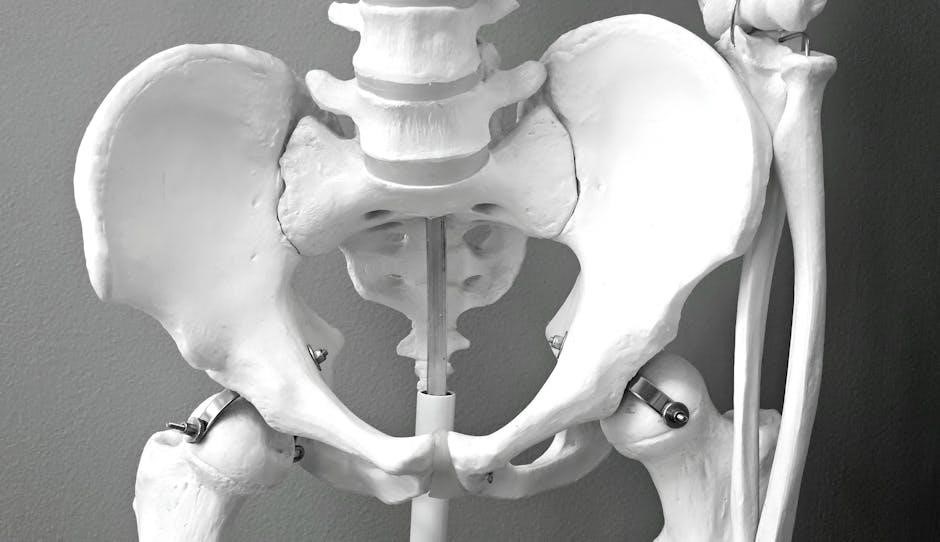
Gray’s Anatomy, a cornerstone of medical education, now exists conveniently in PDF format, offering students and professionals accessible anatomical knowledge․

The digital version preserves the textbook’s legacy, providing detailed illustrations and comprehensive descriptions for enhanced learning and clinical application․

Historical Significance of Gray’s Anatomy

Gray’s Anatomy, initially published in 1858 by Henry Gray, revolutionized the study of the human body․ Before its arrival, anatomical texts were often inconsistent and incomplete․ Gray’s meticulous work, coupled with the stunning illustrations by Henry Vandyke Carter, established a new standard for anatomical accuracy and detail․

The book quickly became a foundational text for medical students and surgeons, influencing generations of healthcare professionals․ Its enduring popularity led to numerous revisions and editions, each building upon the original’s comprehensive foundation․ The transition to a PDF format in recent years has further democratized access to this invaluable resource, allowing for wider dissemination and study across the globe, preserving its historical impact for the digital age․

Evolution of the Textbook Through Editions

Gray’s Anatomy has undergone significant evolution through its 42 editions, adapting to advancements in anatomical knowledge and medical technology․ Early editions focused on detailed anatomical descriptions, while later versions incorporated clinical correlations and surgical perspectives․ The 38th edition, for example, featured contributions from experts like Dussek and Soames․

The shift to a PDF format represents a major milestone, enabling dynamic updates and multimedia integration․ The 42nd edition, published by Elsevier, boasts over 150 new radiology images and downloadable eBook access, including videos․ This evolution reflects a commitment to providing a comprehensive and interactive learning experience, ensuring Gray’s Anatomy remains a vital resource for modern medical education․

Current Relevance in Medical Education

Gray’s Anatomy remains exceptionally relevant in contemporary medical education, serving as a foundational text for students across disciplines․ The PDF version enhances accessibility, allowing for convenient study on various devices and integration with digital learning platforms․

Its detailed illustrations, coupled with clinical applications, bridge the gap between theoretical knowledge and practical understanding․ The inclusion of modern imaging techniques, like CT and MRI scans – over 150 new images in the 42nd edition – prepares students for real-world clinical scenarios․ The downloadable eBook features, including videos, further solidify its position as a premier anatomical resource, fostering a deeper comprehension of the human body․

Understanding the Latest Edition (42nd)

The 42nd edition, available as a PDF, features updated content from Susan Standring and colleagues, alongside enhanced radiology images and eBook access․

Key Authors and Editors (Susan Standring, et al․)

Susan Standring, PhD DSc, serves as a pivotal figure in the latest editions of Gray’s Anatomy, holding positions as Reader in Anatomy and Cell Biology and Director of the Tissue Repair Research Unit․

Alongside Standring, a collaborative team of expert authors and editors, including Dussek, Soames, and Dyson, contribute significantly to the textbook’s comprehensive scope․ Their collective expertise ensures the accuracy and clinical relevance of the anatomical information presented․

These individuals, often consultants and professors in their respective fields, meticulously revise and update the content, reflecting advancements in medical knowledge and surgical techniques․ The late Peter L․ Williams previously chaired the editorial board, establishing a strong foundation for continued excellence․

Publication Date and Publisher Information (Elsevier)

Elsevier stands as the prominent publisher of Gray’s Anatomy, consistently delivering updated editions to the medical community․ The 42nd edition, a significant milestone, was published in 2021 – specifically noted as May 22, 2021 – and is widely available in both print and digital PDF formats․

Elsevier’s commitment to quality ensures the textbook maintains its reputation as a leading anatomical resource․ The publisher facilitates access through various platforms, including the Expert Consult eBook version bundled with print purchases․

This partnership between content creators and a reputable publisher guarantees the ongoing relevance and accessibility of Gray’s Anatomy for students and healthcare professionals globally․

Major Updates and New Features (Radiology Images, eBook Access)

The latest editions of Gray’s Anatomy, particularly the 42nd, showcase substantial enhancements․ A key update is the inclusion of over 150 new radiology images, featuring advanced X-ray, CT, and MRI perspectives, including cinematic rendering for detailed visualization․

Furthermore, the PDF version unlocks eBook access via Expert Consult, allowing users to search the entire text, figures, references, and integrated videos across multiple devices․

These digital features align with the textbook’s innovative spirit, providing an interactive and comprehensive learning experience․ This blend of traditional anatomical detail and modern technology solidifies Gray’s Anatomy’s position as a premier educational tool․

Content Overview of Gray’s Anatomy

Gray’s Anatomy meticulously details systemic and regional anatomy, enriched with clinical correlations, providing a comprehensive understanding of the human body’s structure and function․

Systemic Anatomy Breakdown

Gray’s Anatomy’s systemic approach dissects the body into distinct systems – skeletal, muscular, nervous, cardiovascular, and more – offering a foundational understanding of each component․

Each system receives dedicated chapters detailing its structures, functions, and clinical relevance․ The textbook meticulously explores the intricacies of bone composition, muscle attachments, nerve pathways, and blood vessel distributions․

This organized structure allows for focused study and facilitates comprehension of how individual systems contribute to overall bodily function․ The PDF format enhances this learning with searchable text and high-resolution images, allowing for detailed examination of anatomical structures within each system․ It’s a robust resource for building a solid anatomical base․

Regional Anatomy Focus

Gray’s Anatomy complements its systemic approach with a detailed regional focus, examining the body organized by anatomical areas – head and neck, thorax, abdomen, upper and lower limbs․

This method highlights the integrated relationships between different systems within specific regions, crucial for clinical practice․ The PDF version allows for easy cross-referencing between regional and systemic chapters, deepening understanding․

Users can explore how muscles, nerves, and vessels interact within the hand, for example, or trace the structures of the thorax․ High-resolution images within the PDF showcase spatial relationships, aiding visualization․ This regional perspective is invaluable for surgeons and clinicians needing a holistic view of anatomical structures․

Clinical Correlations and Applications

Gray’s Anatomy doesn’t exist in isolation; the PDF edition strongly emphasizes clinical relevance, bridging the gap between anatomical knowledge and medical practice․

Throughout the text, clinical boxes detail how anatomical variations relate to surgical procedures, common pathologies, and diagnostic imaging․ The PDF format facilitates quick access to these crucial correlations․

For instance, discussions of nerve pathways are linked to potential injury sites and resulting clinical deficits․ The inclusion of over 150 new radiology images – X-rays, CT scans, and MRIs – within the PDF directly demonstrates anatomical structures in vivo, aiding diagnostic interpretation․ This integration prepares students and practitioners for real-world clinical scenarios․

Accessing Gray’s Anatomy in PDF Format

Gray’s Anatomy PDFs are available through official platforms like Elsevier and Expert Consult, often bundled with print purchases for convenient digital access․

Legal and Ethical Considerations of PDF Downloads

Downloading Gray’s Anatomy PDFs from unofficial sources presents significant legal and ethical concerns․ Copyright laws protect the intellectual property of the authors, publishers (like Elsevier), and contributors․

Unauthorized distribution or acquisition of the PDF constitutes copyright infringement, potentially leading to legal repercussions for both the downloader and distributor․ Furthermore, PDFs obtained from unverified websites may contain malware, viruses, or compromised content, posing security risks to your devices and data․

Ethically, supporting legitimate channels ensures continued investment in high-quality medical education resources․ Purchasing through official vendors directly supports the authors and allows for ongoing updates and improvements to this vital textbook․ Prioritize legal and secure access to maintain academic integrity and protect yourself from potential harm․

Reliable Sources for PDF Acquisition (Elsevier, Official Platforms)

Securing a legitimate Gray’s Anatomy PDF requires utilizing trusted sources․ Elsevier, the official publisher, offers the eBook version alongside print purchases, often including access through platforms like Expert Consult․ This ensures you receive a verified, updated, and secure file․

Other reliable platforms include official medical bookstore websites and authorized digital distributors․ These sources guarantee copyright compliance and provide access to supplementary materials, such as videos and interactive elements, enhancing the learning experience․

Avoid third-party websites offering “free” downloads, as these frequently violate copyright and pose security risks․ Investing in a legitimate PDF ensures quality, supports the authors, and protects your digital wellbeing․

Potential Risks of Unofficial PDF Sources

Downloading Gray’s Anatomy from unofficial sources presents significant risks․ These PDFs often contain malware, viruses, or other malicious software that can compromise your device and personal data․ Copyright infringement is also a serious concern, supporting illegal distribution and undermining the authors’ work․

Furthermore, unofficial versions may be outdated, incomplete, or contain errors, hindering accurate learning and potentially leading to misdiagnosis or incorrect treatment plans․ The quality of images and illustrations can be severely compromised, diminishing their educational value․

Prioritize your security and academic integrity by exclusively obtaining the PDF from Elsevier or authorized platforms, ensuring a safe and reliable learning resource․

Utilizing the Gray’s Anatomy PDF Effectively

The Gray’s Anatomy PDF unlocks powerful features like search, interactive elements, and downloadable resources, enhancing study and clinical application for users․

Navigation and Search Functionality

Efficient navigation is paramount when utilizing the Gray’s Anatomy PDF․ The digital format allows for quick access to specific anatomical regions or systems, bypassing the need for extensive page-turning․

A robust search function enables users to locate keywords, structures, or clinical correlations instantly, streamlining research and study sessions․

The eBook version, included with purchase, further enhances this capability, offering hyperlinked cross-references and an interactive table of contents․

Users can easily jump between sections, figures, and references, fostering a more dynamic and interconnected learning experience․ This functionality is crucial for complex anatomical study and rapid information retrieval․

Utilizing the eBook Features (Videos, Interactive Elements)

The Gray’s Anatomy eBook significantly expands the learning experience beyond the traditional textbook․ Access to integrated videos demonstrates complex anatomical relationships and surgical approaches, providing a dynamic visual component․

Interactive elements, such as zoomable high-resolution images and labeled diagrams, allow for detailed exploration of anatomical structures․

The downloadable Expert Consult version enables access on various devices, ensuring learning flexibility․

These features, characteristic of Gray’s Anatomy’s innovative spirit, complement the static illustrations and text, fostering a deeper understanding and retention of anatomical knowledge for students and practitioners alike․

Integration with Other Learning Resources

The Gray’s Anatomy PDF doesn’t exist in isolation; it’s designed to complement other learning tools․ Its detailed content serves as a robust foundation for clinical studies and practical dissections․

Students can effectively cross-reference information with radiology images – over 150 new additions in recent editions – enhancing diagnostic skills․

The eBook’s search functionality allows quick access to specific anatomical details when used alongside case studies or clinical rotations․

Furthermore, integrating Gray’s Anatomy with online anatomy platforms and virtual reality applications can create a comprehensive and immersive learning experience, solidifying anatomical understanding․

Specific Features of the PDF Version

Gray’s Anatomy PDF boasts high-resolution images, downloadable supplements, and compatibility across devices, offering a versatile and enriched learning experience for users․

High-Resolution Images and Illustrations

Gray’s Anatomy has always been renowned for its detailed and accurate illustrations, and the PDF version maintains this tradition with exceptional clarity․ The digital format allows for viewing incredibly high-resolution images, showcasing intricate anatomical structures with remarkable precision․

These aren’t simply reproductions of older artwork; the latest editions, particularly the 42nd, incorporate over 150 new radiology images․ These include cutting-edge X-ray, multiplanar CT, and MR perspectives, even utilizing cinematic rendering techniques․

This visual enhancement is crucial for understanding spatial relationships and identifying key anatomical landmarks, significantly aiding in both study and clinical practice․ Zooming capabilities within the PDF ensure no detail is missed, providing an unparalleled visual learning experience․

Downloadable Resources and Supplements

The Gray’s Anatomy PDF, especially when accessed through platforms like Expert Consult (bundled with print purchases), unlocks a wealth of supplementary materials․ Beyond the core textbook content, users gain access to downloadable resources designed to deepen understanding and enhance learning․

These supplements include a comprehensive collection of videos demonstrating key anatomical concepts and surgical approaches․ Interactive elements further engage students, providing dynamic ways to explore the human body․

Furthermore, the PDF often includes access to all referenced figures, tables, and a complete bibliography, facilitating research and further exploration․ This integrated approach transforms the PDF from a static textbook into a dynamic learning hub;

Compatibility with Various Devices

A significant advantage of the Gray’s Anatomy PDF, particularly the eBook version, is its broad device compatibility․ Users aren’t confined to a single computer; the eBook format allows seamless access across a range of platforms․

This includes laptops, desktop computers, tablets (like iPads and Android tablets), and even smartphones․ The downloadable nature ensures offline access, crucial for studying without a constant internet connection․

The eBook reader adapts the content for optimal viewing on each screen size, maintaining image clarity and text readability․ This multi-device accessibility makes Gray’s Anatomy a truly portable and versatile learning tool for modern medical students and practitioners․

Comparison to Other Anatomy Textbooks

Gray’s Anatomy distinguishes itself through detailed clinical correlations and comprehensive coverage, often contrasted with Netter’s or Moore’s, offering a unique depth․

Gray’s Anatomy vs․ Netter’s Anatomy

Gray’s Anatomy and Netter’s Anatomy represent distinct approaches to anatomical study․ Netter’s excels in visually stunning, clinically-focused illustrations, prioritizing quick comprehension of anatomical relationships․ It’s often favored for its ease of use and direct clinical application, making it ideal for rapid review and visual learners․

Conversely, Gray’s Anatomy provides a significantly more exhaustive and detailed textual description of anatomy․ It delves deeper into the intricacies of anatomical structures, including histological details and developmental aspects․ While Netter’s prioritizes visual clarity, Gray’s emphasizes comprehensive understanding․ The PDF version of Gray’s allows for detailed searching and access to a wealth of information not always present in Netter’s․

Ultimately, the choice depends on individual learning styles and needs; Netter’s for visual learners needing quick references, and Gray’s for those seeking in-depth anatomical knowledge․

Gray’s Anatomy vs․ Moore’s Clinically Oriented Anatomy

Gray’s Anatomy and Moore’s Clinically Oriented Anatomy both serve medical students, but differ in their approach․ Moore’s prioritizes clinical relevance, integrating anatomical knowledge directly with clinical scenarios and pathological conditions․ It emphasizes ‘clinical boxes’ and real-world applications, making it highly practical for aspiring clinicians․

Gray’s Anatomy, while also containing clinical correlations, maintains a stronger foundation in traditional, systematic anatomical description․ The PDF version of Gray’s offers a more exhaustive exploration of anatomical detail, including developmental and histological aspects, often exceeding Moore’s scope․ Gray’s provides a broader, more fundamental understanding of anatomy․

Moore’s is favored for its direct clinical focus, while Gray’s is preferred for its comprehensive anatomical depth․ The choice depends on whether a student prioritizes clinical application or foundational anatomical knowledge․

Strengths and Weaknesses of Gray’s Anatomy

Gray’s Anatomy’s primary strength lies in its unparalleled detail and comprehensive coverage of human anatomy․ The PDF format enhances accessibility to these intricate illustrations and descriptions, offering a robust learning resource․ Its historical significance and continued updates ensure accuracy and relevance, bolstered by expert contributions․

However, its sheer volume can be daunting for some students․ The extensive detail, while valuable, may sometimes overshadow clinical correlations compared to texts like Moore’s․ The PDF, while searchable, can be large and require significant storage space․

Furthermore, navigating the PDF effectively requires familiarity with its features․ Despite these minor drawbacks, Gray’s remains a gold standard, particularly for those seeking a thorough anatomical foundation․

The Future of Gray’s Anatomy

Gray’s Anatomy will likely integrate augmented reality and expanded digital tools within its PDF format, continually updating based on new anatomical research findings․

Potential for Augmented Reality Integration

Gray’s Anatomy’s future could see a significant shift with augmented reality (AR) integration within the PDF version․ Imagine pointing a device at a page and witnessing a 3D, interactive model of the anatomical structure spring to life! This immersive experience would revolutionize learning, allowing students to rotate, dissect, and explore the human body in unprecedented detail․

Such AR features could overlay digital information onto physical textbook pages, enhancing understanding of complex relationships between structures․ The downloadable eBook version, already offering interactive elements, provides a strong foundation for this evolution․ This technology promises a dynamic and engaging learning experience, moving beyond static images to a truly interactive anatomical exploration, solidifying Gray’s Anatomy’s position as a leader in medical education․

Expansion of Digital Learning Tools

The Gray’s Anatomy PDF is poised for expansion with more sophisticated digital learning tools․ Beyond the current eBook features – videos and interactive elements – expect integrated quizzes, self-assessment modules, and personalized learning paths․ These additions will cater to diverse learning styles and reinforce anatomical concepts effectively․

Imagine a system tracking progress, identifying knowledge gaps, and recommending specific sections for review․ Furthermore, collaborative features like virtual dissection tables and peer-to-peer learning forums could be incorporated․ The downloadable format facilitates seamless updates and the addition of new resources, ensuring the PDF remains a dynamic and comprehensive learning platform․ This evolution will solidify Gray’s Anatomy as a cutting-edge educational resource․

Continued Updates Based on Anatomical Research

The Gray’s Anatomy PDF’s enduring value lies in its commitment to reflecting the latest anatomical discoveries․ Ongoing research continually refines our understanding of the human body, and future PDF updates will incorporate these advancements․ Expect revisions to illustrations, descriptions, and clinical correlations based on new imaging techniques and surgical procedures․

These updates won’t be merely additive; they’ll be integrated thoughtfully to maintain the textbook’s clarity and coherence․ The digital format allows for rapid dissemination of new knowledge, ensuring users have access to the most current anatomical information․ This dedication to scientific accuracy will cement Gray’s Anatomy’s position as the gold standard in anatomical education for generations to come․

d12 bus schedule pdf

D12 Bus Schedule PDF: A Comprehensive Guide (Updated April 14, 2026)

Access the D12 bus schedule in PDF format for offline use, offering real-time tracking and route maps via Moovit. Downloadable PDFs are available at moovitapp.com.

The D12 bus route is a vital transportation link serving multiple locations, including Luxembourg, Baltimore, MD, and the McCandless/Wexford Hospital – Downtown corridor in Pittsburgh. This comprehensive guide focuses on accessing the D12 bus schedule, particularly in convenient PDF format, ensuring passengers have readily available information for their journeys.

Understanding the D12 route’s complexities is simplified through resources like Moovit, which provides suggested routes, real-time tracking, and live directions. Whether you’re commuting from Hellange to Beteburgerstrooss or traveling to Southern Av Station in Baltimore, detailed schedules and stop locations are easily accessible.

For travelers without consistent internet access, downloading an offline PDF map and schedule is a practical solution. This allows for uninterrupted access to crucial route information, ensuring a smooth and stress-free travel experience. The D12 route caters to diverse needs, with varying frequencies of service depending on the specific segment, such as the McCandless/Wexford route.

Availability of D12 Bus Schedules in PDF Format

Accessing the D12 bus schedule in PDF format is remarkably straightforward, catering to users who prefer offline access or have limited data connectivity. Moovit prominently features this option, allowing passengers to download comprehensive route maps and time schedules directly to their devices. This downloadable PDF provides a complete overview of the D12 route, encompassing all stops and scheduled departure times.

The availability of offline PDFs is particularly beneficial for travel in areas with unreliable internet service. Whether navigating Luxembourg’s RGTR network or planning a trip within Baltimore, MD, having a readily available PDF ensures you’re always informed.

These PDFs detail route directions – East to Suitland, Crockenhill, and The Airport – offering a clear understanding of the D12’s extensive coverage. Moovitapp.com serves as the primary source for these downloadable resources, guaranteeing up-to-date schedule information.

Moovit as a Primary Source for D12 Information

Moovit stands out as the leading platform for comprehensive D12 bus information, offering a wealth of resources for commuters. Beyond simply providing schedules, Moovit delivers real-time bus tracking, live directions, and detailed line route maps for the D12 in locations like Luxembourg and Baltimore, MD. This makes trip planning significantly easier and more reliable.

A key feature is the availability of downloadable offline PDF maps and schedules. This is invaluable for users without consistent internet access, ensuring they can still access crucial route details. Moovitapp.com is the central hub for obtaining these PDFs, guaranteeing the most current schedule versions.

Moovit’s interface allows users to easily locate the closest D12 bus stops, streamlining the boarding process. The platform also provides suggested routes, enhancing the overall commuting experience. For accurate and accessible D12 information, Moovit is the definitive resource.

Downloading Offline PDF Maps and Schedules

Accessing the D12 bus schedule and maps offline is now straightforward thanks to Moovit. Recognizing the need for reliable information even without an internet connection, Moovit allows users to download PDF versions of route details directly from their platform. This feature is particularly useful during travel or in areas with limited connectivity.

To download, navigate to moovitapp.com and search for the D12 route. You’ll find options to download both the schedule and a detailed route map in PDF format. These PDFs contain essential information, including stop locations, time schedules, and route directions.

Having these offline resources ensures you’re always prepared, regardless of internet availability. This proactive approach to trip planning minimizes potential disruptions and provides peace of mind. Download your D12 PDFs today for a smoother commute!

Benefits of Using Offline PDF Schedules

Downloading the D12 bus schedule as a PDF offers significant advantages for commuters. Primarily, it guarantees access to crucial route information even without an active internet connection – a lifesaver in tunnels, rural areas, or when conserving data.

Offline access eliminates the frustration of relying on spotty mobile signals, ensuring you can always verify departure times and planned routes. This is especially valuable for unfamiliar journeys or when navigating complex transfers. The PDF format also allows for easy printing, providing a physical backup alongside your digital copy.

Furthermore, offline PDFs reduce data consumption, saving on mobile costs. By proactively downloading the schedule, you’re prepared for any situation, enhancing your overall travel experience and minimizing potential delays or missed connections. Moovit makes this convenience readily available.

D12 Route Details: Luxembourg

The D12 bus route in Luxembourg, operated by RGTR, connects Hellange, specifically the Beteburgerstrooss stop, to various destinations within the region. Moovit provides comprehensive support for this route, offering suggested itineraries and real-time tracking capabilities to enhance passenger convenience.

For travelers utilizing the D12 in Luxembourg, downloading an offline PDF map and schedule is highly recommended. This ensures access to vital route information, even without an internet connection, allowing for seamless navigation and trip planning. Moovit facilitates this by providing downloadable PDFs directly through their platform.

Passengers can rely on Moovit to locate the closest D12 bus stops near their location, simplifying the boarding process. The availability of offline resources empowers commuters to confidently navigate the Luxembourg public transportation system, regardless of connectivity limitations.

D12 Route Details: Baltimore, MD

The D12 bus route serves Baltimore, Maryland, extending to West to Southern Av Station. Moovit acts as a crucial resource for navigating this route, providing schedules, stop locations, and real-time tracking information for a smoother commute.

Passengers traveling on the D12 in Baltimore can benefit significantly from downloading the offline PDF map and schedule offered through Moovit. This feature is particularly useful for those without consistent internet access, ensuring they remain informed about route details and timings.

Utilizing Moovit, riders can easily pinpoint the nearest D12 bus stops, streamlining their journey. The downloadable PDF schedule provides a readily available reference, enhancing trip planning and reducing potential delays. Moovit’s comprehensive support ensures a reliable and convenient experience for all D12 passengers in Baltimore, MD.

D12 Route Details: McCandless/Wexford Hospital ‒ Downtown (Pittsburgh)

The D12 route connecting McCandless/Wexford Hospital to Downtown Pittsburgh is undergoing redesign considerations as part of the Engage PRT initiative. Moovit remains a vital tool for accessing current schedule information and planning trips along this route, despite potential changes.

Currently, service is proposed to operate every 60 minutes from McCandless Park and Ride to AHN Wexford Hospital, increasing to every 30 minutes from McCandless Park. Moovit provides access to the latest proposed schedules, allowing riders to adapt to the planned adjustments.

For reliable access to the D12 schedule, especially considering the ongoing redesign, downloading the offline PDF map and schedule via Moovit is highly recommended. This ensures passengers have the most up-to-date information, even without an internet connection, facilitating a smooth and informed commute.

Frequency of Service on the McCandless/Wexford Route

The proposed frequency of service on the D12 McCandless/Wexford Hospital – Downtown route is a key aspect of the ongoing redesign by Engage PRT. Moovit provides access to the latest information regarding these planned changes, ensuring riders are well-informed.

Currently, the plan suggests service will run every 60 minutes between McCandless Park and Ride and AHN Wexford Hospital. Importantly, service frequency is slated to increase to every 30 minutes originating from McCandless Park itself. Moovit’s real-time updates will reflect these adjustments as they are implemented.

To stay current with these potential schedule modifications, downloading the offline PDF schedule from Moovit is strongly advised. This provides a reliable resource, independent of internet connectivity, allowing passengers to confidently navigate the evolving D12 route and plan their journeys effectively.

Accessing D12 Bus Time Schedules on Moovit

Moovit stands as a primary resource for accessing detailed D12 bus time schedules and route maps. The platform offers a user-friendly interface, allowing passengers to easily plan their commutes and stay informed about potential delays or disruptions. Moovit provides comprehensive coverage for all D12 route directions, including East to Suitland, Crockenhill, and The Airport.

Crucially, D12 bus time schedules and route maps are readily available in an offline PDF format directly through moovitapp.com. This feature is invaluable for users without consistent internet access, ensuring they can still access vital schedule information while traveling. Moovit’s real-time tracking capabilities further enhance the user experience.

By utilizing Moovit, passengers can access up-to-date information, download offline schedules, and navigate the D12 route with confidence, making their bus journeys more predictable and stress-free. Regular updates ensure accuracy and reliability.

Understanding D12 Route Directions

The D12 bus route encompasses several distinct directions, each with its own schedule and set of stops. Key directions include service East to Suitland, featuring 70 stops, and the Crockenhill route, comprised of 19 stops. Additionally, the route extends to The Airport, covering 32 stops along its path.

Accessing detailed line schedules for each direction is streamlined through Moovit, where passengers can view comprehensive route maps and time tables. Importantly, these schedules are available for download as offline PDFs via moovitapp.com, ensuring accessibility even without an internet connection.

Understanding these directional variations is crucial for efficient trip planning. Moovit’s platform simplifies this process, providing clear and concise information for each route segment. Passengers can easily identify the appropriate schedule based on their desired destination, maximizing convenience and minimizing travel time.

East to Suitland Route Information

The East to Suitland direction on the D12 bus route is a substantial journey, encompassing a total of 70 stops. Passengers traveling towards Suitland can readily access the complete time schedule and route map through Moovit’s platform. This information is designed to facilitate seamless trip planning and ensure punctual arrivals.

For those requiring offline access, Moovit offers the convenience of downloading a PDF version of the D12 bus schedule, specifically for the East to Suitland route. This downloadable PDF is available at moovitapp.com, providing a reliable resource even without an active internet connection.

Utilizing the available resources, travelers can efficiently navigate the 70 stops, understanding estimated arrival times and potential transfer points. Moovit’s detailed schedule empowers passengers to optimize their commute and confidently reach their destination in Suitland.

Crockenhill Route Information

The D12 bus route, when traveling towards Crockenhill, consists of 19 stops, offering a more concise journey compared to the Suitland direction. Detailed time schedules and comprehensive route maps for this specific direction are readily available through Moovit, aiding in efficient travel planning.

Passengers anticipating travel to Crockenhill can conveniently download an offline PDF version of the D12 bus schedule. This PDF, accessible at moovitapp.com, ensures access to crucial route information even without an internet connection, providing peace of mind during commutes.

By utilizing Moovit’s resources, travelers can easily understand the sequence of the 19 stops, anticipate arrival times, and plan for potential connections. The downloadable PDF and real-time updates empower passengers to navigate the Crockenhill route with confidence and ease.

The Airport Route Information

The D12 bus route servicing the Airport direction encompasses 32 stops, representing the longest of the three documented routes. Comprehensive time schedules and detailed route maps for this direction are conveniently accessible through Moovit, facilitating effective journey planning for travelers.

Passengers intending to travel to the Airport can readily download an offline PDF version of the D12 bus schedule. This downloadable PDF, found at moovitapp.com, guarantees access to vital route details even without an active internet connection, ensuring a stress-free commute.

Leveraging Moovit’s resources, passengers can easily grasp the sequence of all 32 stops, anticipate arrival times, and coordinate potential connections. The availability of both the downloadable PDF and real-time updates empowers travelers to navigate the Airport route with assurance and convenience.

Real-Time Bus Tracking for the D12 Route

Beyond static schedules, Moovit provides invaluable real-time bus tracking for the D12 route, enhancing the commuter experience significantly. This feature allows passengers to pinpoint the exact location of the D12 bus on a live map, minimizing wait times and maximizing predictability.

Accessing this real-time information is straightforward through the Moovit application. Users can view the bus’s progress along the route, estimate its arrival time at specific stops, and make informed decisions about their journey. This dynamic tracking system complements the downloadable PDF schedules.

The combination of offline PDF schedules – available at moovitapp.com – and live tracking offers a robust solution for D12 route users. Whether online or offline, passengers have the tools they need to navigate efficiently, ensuring a smoother and more reliable commute experience.

Finding the Closest D12 Bus Stops

Locating the nearest D12 bus stops is simplified through Moovit’s integrated features. The application utilizes your device’s location services to identify stops within walking distance, displaying them on a map for easy navigation. This eliminates the need to manually search through route maps or schedules.

Moovit not only shows the closest stops but also provides real-time arrival predictions for the D12 bus at each location. Users can view upcoming departure times, plan their walk accordingly, and minimize time spent waiting at the bus stop. This functionality is particularly useful in unfamiliar areas.

For those without immediate internet access, remember that downloadable PDF maps and schedules – found at moovitapp;com – also depict all D12 bus stops along each route. However, these PDFs won’t offer the dynamic, real-time updates available through the app.

Updates and Changes to the D12 Bus Schedule

Staying informed about updates to the D12 bus schedule is crucial for a smooth commute. Moovit serves as a primary source for the most current information, reflecting any alterations to routes, timings, or stop locations. Regular users are encouraged to check the app before each journey.

While downloadable PDF schedules offer a convenient offline resource, they may not always reflect the latest changes. Therefore, relying on Moovit’s real-time updates is recommended for accuracy. Significant route redesigns, like those proposed for the McCandless/Wexford route (Route 12), will be prominently featured within the application.

For official announcements and detailed information regarding schedule modifications, refer to moovitapp.com. Keep in mind that service frequency can vary – for example, the McCandless route may operate every 60 minutes or 30 minutes depending on the segment.

roughing the princess pdf

Roughing the Princess PDF: An Overview (as of 03/30/2026)

Currently‚ online searches reveal widespread interest in accessing a PDF version of this work․ Digital distribution facilitates easy sharing‚
but raises legal and ethical questions regarding copyright and content․

What is “Roughing the Princess”?

“Roughing the Princess” is a controversial work attracting significant online attention‚ particularly regarding its PDF availability as of today‚ March 30th‚ 2026․ The core of the online discourse centers around accessing and discussing this specific digital format․ It’s a text that sparks debate‚ with numerous platforms hosting or referencing the PDF․
Understanding the work itself is crucial‚ given the surrounding legal and ethical considerations tied to its distribution and consumption in this digital age․

The PDF Format and its Significance

The PDF format’s prevalence is key to understanding the work’s dissemination․ Its portability and ease of sharing contribute to widespread‚ though often legally ambiguous‚ distribution․ The PDF allows for relatively faithful reproduction of the original text‚ fostering accessibility․ However‚ variations in file size and quality exist‚ impacting the reading experience․
OCR accuracy is also a factor‚ influencing text searchability within these digital copies‚ driving demand for quality versions․

Origins and History of the Work

Tracing the work’s genesis is crucial for context․ Understanding the author’s background and the initial publication details illuminates its subsequent reception and controversies․

The Author and Initial Publication

Details surrounding the author remain somewhat obscured within online discussions focusing primarily on the PDF’s availability․ Initial publication information is frequently absent from these conversations‚ overshadowed by concerns regarding access and legality․ Establishing the original publishing context – including the publisher‚ date‚ and format – is vital for a comprehensive understanding․ Further research is needed to definitively pinpoint these foundational details‚ moving beyond the current emphasis on digital copies and associated controversies․ Identifying the author’s intent and the original audience is paramount․

Early Reception and Controversy

Initial reactions to “Roughing the Princess‚” even before the proliferation of the PDF‚ appear to have been divisive․ Online forums suggest early discussions centered on the work’s challenging themes and potentially explicit content․ This sparked debate regarding artistic merit versus exploitation‚ a conversation that continues today alongside PDF sharing․ Censorship attempts and legal battles‚ though not fully detailed in current searches‚ likely accompanied this initial reception‚ contributing to its notoriety and continued underground circulation․

Content Analysis of “Roughing the Princess”

A detailed examination reveals complex power dynamics and narrative structures within the work․ Core themes require careful consideration‚ especially given ongoing controversies surrounding its content․

Core Themes and Narrative Structure

The narrative frequently explores themes of dominance‚ submission‚ and the blurring of consent‚ presented within a controversial framework․ Its structure often deviates from conventional storytelling‚ employing fragmented sequences and ambiguous character motivations․
Analysis suggests a deliberate attempt to challenge societal norms regarding power and relationships‚ though interpretations vary widely․ The PDF’s accessibility allows for widespread‚ yet often uncritical‚ engagement with these challenging concepts‚ fueling ongoing debate about its artistic merit and potential harm․

Character Analysis: The Princess and Other Key Figures

The titular “Princess” is often depicted as a passive figure‚ subjected to the will of dominant characters‚ sparking debate about agency and victimhood․ Supporting figures frequently embody archetypes of power and control‚ reinforcing the central dynamic․
Character motivations remain deliberately obscured‚ prompting varied interpretations regarding their intentions and the overall narrative’s moral compass․ The PDF format encourages individual‚ often isolated‚ analyses of these complex‚ and frequently troubling‚ portrayals․

Exploration of Power Dynamics

The work prominently features stark power imbalances‚ often manifesting as coercion and control exerted over the central character․ These dynamics are frequently presented without explicit condemnation‚ leading to critical scrutiny․
The PDF’s accessibility allows for widespread dissection of these themes‚ fueling discussions about consent‚ dominance‚ and the portrayal of vulnerability․ Analysis focuses on how power is established‚ maintained‚ and resisted within the narrative’s framework‚ prompting ethical considerations․

The PDF’s Distribution and Accessibility

The PDF circulates widely on various online platforms‚ offering easy access but also presenting legal challenges related to copyright infringement and unauthorized sharing․

Online Platforms Hosting the PDF

Numerous websites and file-sharing platforms reportedly host the “Roughing the Princess” PDF‚ though their legality and stability vary significantly․ These range from dedicated forums and archives to more general document-sharing sites․
Accessing these sources carries inherent risks‚ including potential malware downloads or exposure to inappropriate content․
Due to the sensitive nature of the work‚ many platforms actively remove or block links to the PDF‚ leading to a constant “cat-and-mouse” game between distributors and authorities․
The ephemeral nature of these links makes consistent access challenging for interested readers․

Legal Considerations Regarding Distribution

Distributing the “Roughing the Princess” PDF without proper authorization constitutes copyright infringement‚ potentially leading to legal repercussions for both uploaders and downloaders․ Copyright law protects the author’s exclusive rights to reproduce and distribute their work․
The unauthorized sharing of copyrighted material can result in substantial fines and even criminal charges․
Furthermore‚ the content itself may raise concerns regarding obscenity laws‚ depending on jurisdiction‚ adding another layer of legal complexity to its distribution․

Impact of Digital Sharing on Readership

The widespread digital sharing of the “Roughing the Princess” PDF has dramatically expanded its readership‚ reaching audiences far beyond the scope of traditional publication․ This accessibility‚ however‚ bypasses conventional revenue streams for the author․
While increasing awareness‚ it simultaneously complicates efforts to track readership accurately․ The ease of access fosters discussion within online communities‚ fueling continued interest and analysis of the work despite legal ambiguities․

Controversies Surrounding the Work

The PDF’s circulation sparks debate regarding explicit content‚ artistic value‚ and potential exploitation․ Censorship attempts and legal challenges frequently accompany its distribution online․

Allegations of Explicit Content

Numerous reports and discussions surrounding the “Roughing the Princess” PDF center on allegations of highly explicit and potentially disturbing content․ These claims contribute significantly to the controversy‚ fueling debates about the work’s appropriateness and ethical boundaries․
The nature of these allegations has prompted calls for censorship and restrictions on its distribution‚ particularly concerning accessibility to younger audiences․
Concerns extend to the potential for exploitation and the normalization of harmful themes‚ making content warnings and responsible sharing crucial․

Debates on Artistic Merit vs․ Exploitation

A central conflict surrounding “Roughing the Princess” revolves around discerning artistic intent from potential exploitation․ Proponents argue for its literary value‚ citing complex themes and character studies‚ while critics condemn its graphic nature as inherently exploitative․
This dichotomy fuels heated discussions within online forums and academic circles‚ questioning whether the work’s provocative elements serve a narrative purpose or simply cater to harmful desires․
The debate highlights the subjective nature of art and the challenges of defining ethical boundaries․

Censorship Attempts and Legal Battles

The controversial nature of “Roughing the Princess” has instigated numerous attempts at censorship and sparked several legal battles․ Concerns over explicit content led to calls for its removal from online platforms and restrictions on its distribution․
These actions triggered debates about freedom of speech and artistic expression‚ with supporters arguing against undue interference․
Legal challenges often centered on obscenity laws and copyright infringement‚ resulting in complex and ongoing disputes․

The PDF and Fan Communities

The readily available PDF fueled vibrant online fan communities‚ fostering discussions‚ fan fiction‚ and derivative works‚ significantly extending the work’s reach and longevity․

Online Forums and Discussion Groups

Numerous online platforms serve as hubs for enthusiasts dissecting “Roughing the Princess․” Dedicated forums and discussion groups allow fans to share interpretations‚ analyze characters‚ and debate the work’s complex themes․ These spaces facilitate a collaborative exploration of the narrative‚ fostering a sense of community among readers․ The PDF’s accessibility has undeniably amplified participation‚ enabling wider engagement and the rapid dissemination of ideas․ Active communities provide a space for both critical analysis and creative expression‚ solidifying the work’s enduring appeal․

Fan Fiction and Derivative Works

The widespread availability of the PDF has spurred a vibrant ecosystem of fan-created content․ Numerous fan fiction stories reimagine scenarios‚ explore alternative character arcs‚ and expand upon the original narrative’s universe․ Derivative works‚ including artwork and analyses‚ demonstrate the profound impact of “Roughing the Princess” on its audience․ This creative outpouring signifies a deep engagement with the source material‚ fueled by easy access and a passionate fanbase actively building upon the existing lore․

The Role of the PDF in Maintaining Interest

The PDF format has been instrumental in sustaining long-term interest in “Roughing the Princess․” Its digital accessibility ensures the work remains readily available to new readers‚ circumventing limitations of physical copies․ This continuous circulation fosters ongoing discussion and analysis within online communities․ The PDF’s ease of sharing effectively combats obscurity‚ preserving the work’s cultural relevance and encouraging continued engagement across generations of readers․

Impact on Contemporary Literature

The work’s themes and tropes have subtly influenced subsequent authors‚ prompting critical re-evaluation and sparking debates about artistic boundaries and narrative conventions․

Influence on Subsequent Authors

Despite its controversial nature‚ “Roughing the Princess” appears to have exerted a subtle‚ yet discernible‚ influence on later writers․ This impact isn’t necessarily direct imitation‚ but rather a willingness to explore challenging themes and power dynamics within fictional narratives․ Some authors have adopted similar narrative structures‚ focusing on complex character relationships and morally ambiguous scenarios․
The work’s exploration of boundaries‚ though debated‚ has seemingly encouraged a greater openness to unconventional storytelling‚ prompting a re-examination of established literary norms and expectations within certain circles․

Themes and Tropes Adopted by Others

Following the circulation of “Roughing the Princess‚” several recurring themes and tropes began appearing in related works․ These include explorations of dominance and submission‚ unconventional romantic relationships‚ and the deconstruction of traditional fairytale archetypes․ Authors have revisited the concept of a ‘captured’ princess‚ often subverting expectations regarding rescue and agency․
The narrative’s focus on psychological complexity and power imbalances has also resonated‚ inspiring similar explorations in contemporary fiction‚ though often with altered contexts and ethical considerations․

Critical Re-evaluation of the Work

Recent academic discourse surrounding “Roughing the Princess” demonstrates a shift in critical perspectives․ Initial reactions often centered on controversy‚ but contemporary analysis increasingly focuses on its socio-political implications and narrative techniques․ Scholars debate the work’s potential to challenge conventional notions of romance and power‚ while acknowledging valid concerns regarding exploitation․
This re-evaluation considers the historical context and evolving societal norms‚ prompting nuanced discussions about artistic intent and audience interpretation․

Technical Aspects of the PDF Versions

PDF versions exhibit varying file sizes and quality‚ impacting readability․ OCR accuracy affects text searchability‚ while metadata reveals version control details and potential origins․

File Size and Quality Variations

Numerous PDF copies of “Roughing the Princess” circulate online‚ demonstrating significant discrepancies in file size and overall quality․ These variations stem from differing scanning resolutions‚ compression techniques‚ and the original source material’s condition․ Some PDFs are relatively small‚ prioritizing accessibility but sacrificing image clarity and textual fidelity․ Conversely‚ higher-resolution scans result in larger files‚ preserving detail but potentially hindering download speeds and storage capacity․
The quality also depends on whether the PDF is a native digital document or a scan of a physical copy‚ impacting sharpness and legibility․

OCR Accuracy and Text Searchability

The text searchability within “Roughing the Princess” PDFs heavily relies on the accuracy of Optical Character Recognition (OCR) technology employed during creation․ Scanned copies‚ lacking inherent text layers‚ require OCR to convert images into machine-readable text․ However‚ OCR isn’t flawless; errors occur due to font variations‚ image quality‚ and page damage․
Consequently‚ search results may be incomplete or inaccurate‚ hindering research and analysis․ PDFs created directly from digital sources generally offer superior text search capabilities․

Metadata and Version Control

Analyzing “Roughing the Princess” PDFs reveals inconsistent metadata practices․ Many circulating versions lack comprehensive information regarding creation dates‚ author details‚ or source origins․ This absence complicates version control and traceability‚ making it difficult to determine authenticity or identify the most accurate rendition․
Proper metadata—including checksums—would aid in verifying file integrity and tracking modifications across different digital releases․

PGA Tour Connection (Misinformation Analysis)

False associations linking “Roughing the Princess” to the PGA Tour have emerged online‚ demonstrating how unrelated topics can become entangled through digital misinformation campaigns․

Debunking the PGA Tour Link

The connection between “Roughing the Princess” and the PGA Tour is entirely spurious‚ originating from unsubstantiated claims circulating online․ The PGA Tour‚ established in 1968‚ focuses on professional golf tournaments and has no legitimate association with the literary work․ This misinformation likely stems from algorithmic recommendations or deliberate attempts to create viral content‚ capitalizing on unrelated search terms․
Numerous sources confirm the PGA Tour’s dedication to golf‚ with official websites providing scores‚ schedules‚ and news – devoid of any mention of the novel․

Origin of the False Association

The genesis of linking “Roughing the Princess” with the PGA Tour appears rooted in internet algorithms and potentially malicious actors․ Initial speculation suggests the association began with automated content recommendation systems‚ erroneously pairing unrelated search queries․ The PGA Tour’s prominent online presence‚ coupled with the novel’s digital distribution‚ likely fueled this accidental connection․
Furthermore‚ deliberate misinformation campaigns‚ aiming to generate clicks and views‚ may have amplified the false link‚ exploiting curiosity and search engine optimization tactics․

Why the Misinformation Persists

The continued propagation of the PGA Tour connection stems from several factors․ Algorithmic reinforcement within search engines and social media platforms consistently re-present the false link to users․ Confirmation bias also plays a role‚ as individuals encountering the association may seek further validation‚ inadvertently strengthening its perceived legitimacy․
The sensational nature of the pairing‚ despite its inaccuracy‚ attracts attention‚ ensuring its continued circulation online‚ defying easy debunking efforts․

Alternatives to Finding the PDF

Exploring legal avenues‚ such as library resources or potential purchase options‚ presents ethical alternatives․ Prioritizing legitimate access respects copyright and supports creators․

Legal Purchase Options (if available)

Currently‚ verifying legitimate avenues for purchasing “Roughing the Princess” proves challenging‚ as widespread availability is limited․ Investigating archival collections or specialized booksellers might reveal potential sources‚ though accessibility remains uncertain․
Exploring digital platforms known for hosting older or obscure works could also yield results‚ but verifying authenticity is crucial․
Consumers should prioritize official retailers to ensure ethical support for the author and respect copyright laws‚ avoiding potentially illegal downloads․

Library Resources and Archives

Academic libraries and specialized archives represent potential‚ legitimate access points for “Roughing the Princess․” Researchers should consult university collections‚ particularly those with robust holdings in 20th-century literature or erotica․
Interlibrary loan services can expand access beyond local resources․
Digital archives‚ if they contain the work‚ offer convenient remote access‚ though copyright restrictions may apply․ Thorough catalog searches and consultation with library staff are recommended to determine availability․

Ethical Considerations for Accessing the Work

Obtaining the PDF raises significant ethical concerns regarding copyright infringement and supporting the author’s rights‚ if any exist․ Downloading from unofficial sources contributes to unauthorized distribution․
Consider the potential harm to creators and the legal ramifications of accessing copyrighted material illegally․
Prioritizing legal avenues‚ such as purchasing available editions or utilizing library resources‚ demonstrates respect for intellectual property and ethical conduct․

Future of “Roughing the Princess”

The work’s continued presence in academic discussions and online fan communities suggests enduring relevance‚ potentially inspiring new adaptations or scholarly analyses in the future․

Potential for New Editions or Adaptations

Despite ongoing controversies‚ the sustained digital circulation of “Roughing the Princess” via PDF formats hints at a persistent demand․ This could potentially spur interest from publishers in releasing updated or annotated editions‚ catering to both existing fans and new readers․

Furthermore‚ the narrative’s unique themes and character dynamics might attract filmmakers or game developers‚ leading to adaptations across different media․ However‚ legal hurdles and ethical considerations surrounding the source material would undoubtedly need careful navigation before any such projects could materialize․

Continued Relevance in Academic Discourse

The enduring availability of the “Roughing the Princess” PDF ensures its continued presence within academic circles․ Scholars may analyze it as a case study in digital distribution‚ copyright law‚ and the impact of online fan communities․
Its controversial themes also provide fertile ground for discussions on gender‚ power dynamics‚ and artistic expression․ Despite ethical concerns‚ the work’s influence on subsequent literature warrants ongoing critical evaluation and debate․

The Work’s Legacy and Lasting Impact

Despite its controversial nature‚ the “Roughing the Princess” PDF has demonstrably impacted online culture and literary discussion․ Its widespread digital circulation fostered dedicated fan communities and inspired numerous derivative works․ The work’s legacy is complex‚ marked by both fervent appreciation and significant ethical debate․
Ultimately‚ it remains a notable example of how digital platforms can shape a work’s reception and enduring influence․

the giver book pdf free

The Giver Book PDF Free: A Comprehensive Guide (Updated 03/24/2026)

Navigating the digital landscape for a free PDF of “The Giver” requires caution; understanding legitimate sources and potential risks is paramount for readers seeking access․

Understanding the Demand for a Free PDF

The surge in demand for a free PDF version of Lois Lowry’s “The Giver” stems from several interconnected factors․ As a frequently assigned text in middle and high school curricula across the United States and internationally, students often seek accessible and cost-effective ways to obtain the novel․ Purchasing physical copies or eBooks can present a financial burden for some, particularly those with limited resources or multiple required readings․

Furthermore, the convenience of a digital format appeals to modern readers accustomed to instant access on various devices․ A PDF allows for easy portability, searchability, and the ability to adjust font sizes and reading settings․ The internet’s pervasive influence and the ease of sharing digital files contribute to the widespread desire for a freely available PDF, despite potential legal and ethical concerns surrounding copyright infringement․ This demand fuels online searches and discussions surrounding obtaining the book without purchase․

Legality and Ethical Considerations of Free PDFs

Downloading or distributing a free PDF of “The Giver” without proper authorization raises significant legal and ethical questions․ Copyright law protects the author, Lois Lowry, and her publisher, Houghton Mifflin Harcourt, granting them exclusive rights to reproduce and distribute their work․ Obtaining a PDF from unofficial sources constitutes copyright infringement, potentially leading to legal repercussions for the downloader and distributor․

Ethically, supporting authors and publishers through legitimate purchases ensures the continuation of creative work and fair compensation for intellectual property․ Utilizing free, unauthorized PDFs undermines this system, potentially discouraging future literary endeavors․ While the desire for accessible education is understandable, it should not come at the expense of respecting copyright laws and the rights of creators․ Seeking legal alternatives demonstrates respect for intellectual property and supports the literary community․

Where to Find “The Giver” PDF (and Risks Involved)

Numerous websites claim to offer free PDF downloads of “The Giver,” but these sources often pose substantial risks․ Search results frequently lead to sites hosting pirated copies, potentially exposing users to malware, viruses, and phishing scams․ These platforms often lack security protocols, compromising personal data and device safety․ Downloading from such sources is not only illegal but also jeopardizes your digital wellbeing․

Furthermore, the quality of these PDFs is often poor, featuring formatting errors, missing pages, or incomplete text․ Relying on unreliable sources can hinder comprehension and diminish the reading experience․ While the allure of a free download is tempting, the potential consequences – legal, ethical, and security-related – far outweigh the perceived benefits․ Exercise extreme caution and prioritize legitimate avenues for accessing the book․

Official Sources & Legal Options

Exploring legitimate pathways ensures a safe and ethical reading experience; official websites and digital libraries provide authorized access to “The Giver․”

Loyalty Lois Lowry’s Official Website

Lois Lowry’s official website serves as a primary, trustworthy resource for information regarding her extensive literary works, including the acclaimed novel, “The Giver․” While a direct, free PDF download of the complete book isn’t typically offered on the site, it frequently features details about purchasing options – both physical copies and eBooks – from authorized retailers․

The website often showcases excerpts, author insights, and news related to “The Giver,” enriching the reader’s understanding and appreciation of the story․ It’s a valuable destination for fans seeking authentic content and updates directly from the author herself․ Furthermore, the site may link to educational resources and materials suitable for classroom study, potentially guiding educators to legal avenues for accessing the text for instructional purposes․ Checking the official website regularly is a prudent first step for anyone interested in legally engaging with Lowry’s work․

Publisher Websites (Houghton Mifflin Harcourt)

Houghton Mifflin Harcourt, the publisher of “The Giver,” provides a legitimate avenue for exploring purchasing options, though a free PDF download is unlikely to be available directly․ Their website typically lists various formats – hardcover, paperback, and eBook – alongside pricing and retailer links․ Often, they offer promotional deals or bundled packages, potentially providing cost-effective ways to acquire the book․

The publisher’s site also serves as a reliable source for official book information, including summaries, author biographies, and related resources․ Educators may find supplementary materials designed for classroom use․ While a free PDF isn’t standard practice due to copyright protections, Houghton Mifflin Harcourt actively combats illegal distribution and promotes legal access to Lois Lowry’s work․ Checking their website ensures you’re supporting the author and publisher․

Digital Libraries & Subscription Services

Exploring digital libraries and subscription services presents a viable, legal alternative to seeking a free PDF of “The Giver․” Platforms like Libby, OverDrive, and Hoopla, often accessible through local public libraries, frequently offer eBooks and audiobooks, including popular titles like Lois Lowry’s novel․ These services allow borrowing without purchase, adhering to copyright laws;

Subscription-based eBook services, such as Scribd or Kindle Unlimited, may also feature “The Giver” in their catalogs, providing access for a monthly fee․ These options offer convenience and a wide selection of reading material․ Remember to verify availability within your library system or subscription plan․ Utilizing these resources supports authors and publishers while enjoying legal access to the book․

Exploring “The Giver” ⸺ A Book Overview

Lois Lowry’s dystopian novel explores a seemingly utopian society, revealing the cost of sameness and the importance of individual memory and emotion․

Plot Summary: The Core Narrative

“The Giver” unfolds in a futuristic community meticulously engineered for stability and contentment, achieved through the elimination of pain, strife, and even individual choice․ Jonas, a young boy on the cusp of adulthood, is selected as the Receiver of Memory – a unique individual tasked with holding the collective memories of the past, before Sameness․

Guided by the current Receiver, known as The Giver, Jonas begins a profound journey through forgotten emotions, colors, and experiences․ He learns of love, joy, suffering, and loss, realizing the depth of what his community has sacrificed for its tranquil existence․ As Jonas’s awareness expands, he questions the foundations of his world and ultimately makes a courageous decision to challenge the established order, embarking on a perilous escape to restore feeling and individuality․

Key Characters: Jonas, The Giver, and Others

Jonas is the protagonist, a sensitive and thoughtful young boy who evolves from naive acceptance to questioning awareness as he receives memories․ The Giver embodies wisdom and the burden of the past, guiding Jonas through the complexities of human experience․ He represents the importance of preserving history and emotion․

Fiona, Jonas’s friend, initially appears conventional but hints at a capacity for deeper feeling; Asher, another friend, provides comic relief but also highlights the community’s limitations in understanding individuality․ Gabriel, the infant Jonas’s family nurtures, becomes a symbol of hope and the potential for change․ The Elders, representing the governing body, embody the rigid control and suppression of emotion that define the community’s structure․

Themes Explored: Memory, Sameness, and Individuality

Memory is central, illustrating how past experiences shape understanding and provide emotional depth, absent in the community’s pursuit of Sameness․ Sameness represents a utopian ideal achieved through the suppression of individuality, emotion, and choice, raising questions about the cost of stability․ The novel profoundly explores the value of human connection and the dangers of conformity;

Individuality is presented as both a threat and a necessity; the community fears difference, yet Jonas’s journey reveals its importance for a fulfilling life․ The narrative examines the power of knowledge and the responsibility that comes with it․ Ultimately, Lowry’s work champions the beauty of imperfection and the courage to embrace a complex world․

“The Giver” Plot Diagram & Analysis

Deconstructing the narrative arc reveals a compelling journey; understanding the exposition, rising action, climax, falling action, and resolution enhances comprehension․

Exposition: Introducing the Community

The novel’s exposition meticulously establishes the seemingly utopian community, a carefully controlled society striving for Sameness․ This initial phase introduces readers to a world devoid of pain, suffering, color, and emotional depth, where individual differences are suppressed in favor of stability and conformity․ Jonas’s world is presented as orderly and predictable, governed by strict rules and regulations enforced by the Elders․

The community’s structure, including the Assignments given to adolescents, is revealed, hinting at the underlying complexities beneath the surface․ Daily life, family units, and the emphasis on politeness and precision are all showcased, creating a stark contrast to the world Jonas will soon discover․ This carefully constructed environment serves as the foundation for the unfolding drama, highlighting the cost of Sameness and the importance of individual experience․

The initial chapters focus on establishing this normalcy, making the subsequent revelations all the more impactful․

Rising Action: Jonas’s Selection and Training

The rising action commences with Jonas’s selection as the Receiver of Memory, a pivotal moment that disrupts the community’s established order․ This assignment sets him apart, initiating a rigorous and intensely personal training period with The Giver․ During this phase, Jonas begins to receive memories of the past – sensations, emotions, and experiences that have been eradicated from the collective consciousness․

He experiences joy, love, pain, and loss, gradually understanding the richness and complexity of a world beyond Sameness․ The training intensifies, challenging Jonas’s perceptions and forcing him to confront the ethical implications of the community’s choices․

His growing awareness creates internal conflict and a sense of isolation, escalating the tension as he grapples with the weight of the memories and the truth about his society․ This period is marked by increasing emotional and intellectual awakening․

Climax: The Release of the Twin and Jonas’s Decision

The climax arrives with Jonas’s horrifying discovery of “release” – the community’s euphemism for euthanasia․ Witnessing the release of a newborn twin, Jonas comprehends the chilling reality behind the seemingly benevolent Sameness․ This revelation shatters his trust and forces him to confront the community’s fundamental moral failings․

Overwhelmed by grief and a desperate need to protect life, Jonas makes the momentous decision to escape with Gabriel, another infant slated for release․

This act of defiance represents a rejection of the community’s control and a commitment to preserving individuality and emotion․ His choice ignites a perilous journey, fueled by hope and a determination to reach a place where feelings are valued and life is cherished, marking the story’s turning point․

Falling Action: Jonas’s Escape and Journey

Jonas’s escape with Gabriel is a harrowing descent into the unknown․ Facing freezing temperatures and starvation, they travel northward, guided by fragmented memories The Giver imparted․ Each obstacle tests Jonas’s resilience and his commitment to saving Gabriel’s life․

The journey is marked by increasing physical hardship and a growing reliance on Jonas’s developing senses – sight, smell, and hearing – awakened by the memories․

As they venture further, Jonas experiences moments of both despair and hope, fueled by the possibility of finding others who share their values․ The narrative builds suspense, leaving the reader uncertain of their ultimate fate, while emphasizing the power of love and sacrifice in the face of adversity․

Resolution: Ambiguity and Hope

The novel’s ending is famously ambiguous, leaving Jonas and Gabriel’s survival uncertain as they reach what appears to be a welcoming community with sounds of music and warmth․ Whether this is a real place or a shared hallucination born of their desperation remains open to interpretation․

This deliberate ambiguity forces readers to confront the complexities of utopia and dystopia, questioning the true cost of Sameness and the importance of individual freedom․

Despite the uncertainty, the ending offers a glimmer of hope, suggesting the possibility of a future where emotions, memories, and individuality are valued․ The open-ended nature encourages ongoing discussion and reflection on the novel’s profound themes․

PDF Format & Accessibility

PDFs offer convenient searchability and readability, enabling easy navigation of “The Giver’s” text across diverse devices and platforms for all readers․

PDF Features: Searchability and Readability

The PDF format excels in preserving the original formatting of “The Giver,” ensuring a consistent reading experience regardless of the device․ A key advantage is its robust search functionality; readers can quickly locate specific passages, characters, or themes within the text, enhancing comprehension and analysis․

Furthermore, PDFs generally maintain excellent readability, supporting various font sizes and zoom levels to accommodate individual preferences and visual needs․ This accessibility is crucial for a diverse readership․ The ability to copy and paste excerpts is also beneficial for students and researchers․

However, the quality of a PDF can vary․ A well-optimized PDF will be relatively small in file size, facilitating faster downloads and storage, while still retaining high-resolution images and clear text․ Poorly created PDFs might suffer from distorted formatting or illegible text, diminishing the reading experience․

Accessibility Options for Readers

PDF readers offer a range of accessibility features benefiting diverse learners․ Text-to-speech functionality allows the book to be read aloud, aiding individuals with visual impairments or reading difficulties․ Adjustable font sizes and styles cater to varying visual needs, enhancing readability for everyone․

Many PDF viewers support screen readers, enabling access for blind or visually impaired users․ Reflowable text options adapt the layout to different screen sizes, improving the reading experience on smaller devices․

Furthermore, some PDFs include alternative text descriptions for images, providing context for screen reader users․ However, accessibility depends on the PDF’s creation; scanned documents without Optical Character Recognition (OCR) may lack these features․ Ensuring a fully accessible PDF requires careful consideration during its production․

Device Compatibility: Reading on Various Platforms

“The Giver” PDF exhibits broad device compatibility, ensuring accessibility across numerous platforms․ Most smartphones (iOS and Android), tablets, and computers (Windows, macOS, Linux) support PDF viewing through dedicated apps or web browsers․ Adobe Acrobat Reader remains a widely used, free option, available for all major operating systems․

Cloud storage services like Google Drive and Dropbox facilitate reading on multiple devices, syncing progress seamlessly․ E-reader devices, such as Kindles, can often display PDFs, though formatting may vary․

However, complex PDF layouts might render differently on smaller screens․ Optimal viewing often requires a device with sufficient processing power and screen resolution․ Compatibility generally isn’t an issue, but user experience can fluctuate․

Alternatives to Free PDFs

Beyond free PDFs, consider borrowing from libraries, purchasing eBooks from retailers, or exploring affordable used book options for legal access to the novel․

Borrowing from Libraries (Physical & Digital)

Libraries remain a cornerstone for accessible literature, offering both physical copies and increasingly, digital lending options for “The Giver․” This presents a legally sound and cost-effective alternative to searching for potentially illicit free PDF downloads․ Many libraries now utilize platforms like OverDrive or Libby, allowing patrons to borrow eBooks and audiobooks directly to their devices with a valid library card․

Checking your local library’s catalog is the first step; if unavailable, interlibrary loan services can often procure the book from another branch․ Physical copies eliminate the risks associated with downloading files from unknown sources, safeguarding your device from malware․ Furthermore, supporting libraries ensures continued access to resources for the entire community․ Digital borrowing provides convenience, eliminating late fees and offering immediate access, making it a compelling choice for readers seeking “The Giver․”

Purchasing eBooks from Reputable Retailers

Opting to purchase an eBook from established retailers is a secure and ethical alternative to seeking a free PDF of “The Giver․” Platforms like Amazon Kindle Store, Barnes & Noble Nook, and Google Play Books offer digital versions of the novel at reasonable prices, guaranteeing a legitimate copy free from viruses or malware․ This directly supports Lois Lowry and the publishing industry, fostering continued literary creation․

eBooks often come with features like adjustable font sizes, built-in dictionaries, and search functionality, enhancing the reading experience․ Purchasing provides permanent access to the book, unlike some lending services․ Reputable retailers also offer customer support and easy return policies․ While not free, the convenience, security, and ethical considerations make purchasing an eBook a worthwhile investment for avid readers desiring a quality digital copy of “The Giver․”

Used Book Options & Affordable Copies

For readers seeking a cost-effective alternative to a free PDF of “The Giver,” exploring used book options presents a viable solution; Websites like Abebooks, ThriftBooks, and even local used bookstores frequently stock copies of the novel at significantly reduced prices compared to new editions․ This approach not only saves money but also promotes sustainability by giving a book a second life․

Checking local library book sales and online marketplaces like eBay or Facebook Marketplace can also yield affordable finds․ While the condition may vary, many used copies are perfectly readable and offer the complete narrative experience․ Supporting these avenues avoids the risks associated with downloading potentially harmful free PDFs and still allows access to Lowry’s impactful story․ It’s a budget-friendly and ethical way to enjoy “The Giver․”

Toyota & “The Giver” ⸺ Unexpected Connections (Based on Search Results)

Search results surprisingly link Toyota dealerships and online platforms with queries for “The Giver,” indicating a complex web of online search relevance․

Toyota’s Online Presence & Search Relevance

The unexpected prominence of Toyota in search results related to “The Giver” PDF free downloads highlights the intricacies of search engine algorithms and online marketing strategies․ Toyota’s extensive online presence, encompassing corporate websites like Toyota․co․jp, news platforms like Toyotatimes, and racing divisions such as TOYOTA GAZOO Racing, contributes significantly to its high search ranking․

Furthermore, Toyota’s diverse online services – including used car platforms (Toyota Certified Used Cars), rental services (Toyota Rent a Car), and financial options (KINTO) – amplify its digital footprint․ The sheer volume of Toyota-related content indexed by search engines naturally leads to its appearance in seemingly unrelated searches․ This phenomenon demonstrates how broad keyword associations can trigger unexpected results, even when users are specifically seeking literary resources like a free ebook․

Toyota Dealerships & Local Search Results

The appearance of local Toyota dealerships, such as Toyota Mobility Tokyo UCar, in searches for “The Giver” PDF free underscores the importance of geographically-targeted search results․ Search engines prioritize local businesses based on user location, leading to dealerships appearing alongside more relevant content․ This is further amplified by Toyota’s extensive network of dealerships and their active online presence, including dedicated websites showcasing inventory and services․

Wakayama Toyota and Chiba Toyota are examples of dealerships prominently featured in search results․ The inclusion of these businesses demonstrates how search algorithms connect user intent with nearby commercial establishments, even when the search query isn’t directly related to automotive products․ This highlights the power of local SEO and the broad reach of Toyota’s marketing efforts․

Toyota Certified Used Cars & Online Platforms

The prominence of Toyota Certified Used Cars within search results for “The Giver” PDF free reveals a pattern of keyword association and platform dominance․ Toyota’s robust online platforms, including their dedicated used car marketplace, consistently rank highly, capitalizing on broad search terms․ This suggests a sophisticated SEO strategy focused on capturing a wide audience, even those seeking unrelated content like digital books․

The emphasis on “3” (three ways to buy) and features like online purchasing and saved estimates indicates Toyota’s commitment to a seamless digital customer experience․ These platforms leverage user data and location services to personalize results, further solidifying their visibility․ The sheer volume of listings – approximately 50,000 vehicles – contributes to their strong search engine ranking․

invisalign instructions pdf

Invisalign Instructions: A Comprehensive Guide

Invisalign treatment offers a nearly invisible method for teeth straightening, utilizing 3D technology to map a personalized plan from current to desired alignment.

Understanding Invisalign Treatment

Invisalign represents a revolutionary approach to orthodontic care, diverging from traditional braces by employing a series of custom-made, clear, removable aligners. This innovative system leverages advanced 3D computer imaging technology to meticulously plan your entire treatment journey. Before initiating treatment, your orthodontist will craft a precise digital blueprint, showcasing the gradual shift of your teeth from their current positions to the desired final alignment.

Each aligner in the series is designed to induce subtle, incremental movements. You’ll wear each set for a specified duration – typically around one to two weeks – before progressing to the next in the sequence. This phased approach ensures comfortable and predictable progress. The aligners are fabricated specifically to your teeth, offering a snug and virtually invisible fit.

Understanding the commitment to consistent wear is crucial for successful outcomes. Patients (and their guardians, when applicable) should thoroughly review the provided Use and Care instructions, encompassing vital information regarding wear guidelines, maintenance protocols, and oral hygiene requirements throughout the treatment period.

The Invisalign System: How it Works

The Invisalign system functions through a carefully orchestrated sequence of custom-designed aligners. It begins with a detailed consultation and impressions (or digital scans) of your teeth. These records are then utilized to create a precise 3D model of your mouth. Using this model, your orthodontist develops a customized treatment plan, outlining the specific movements needed to achieve your desired smile.

This plan dictates the fabrication of a series of aligners, each incrementally different from the last. Each aligner gently shifts your teeth into a slightly new position. As you replace each aligner with the next, your teeth progressively move towards the final planned alignment. The aligners apply controlled force, making the process more comfortable than traditional braces.

The system is designed for predictable results, guided by the orthodontist’s prescription. Proper wear – typically 20-22 hours per day – is essential for the aligners to effectively guide your teeth. Regular check-ups with your orthodontist are also vital to monitor progress and ensure optimal treatment outcomes.

Initial Consultation and Treatment Planning

Your Invisalign journey begins with a comprehensive initial consultation with an experienced orthodontist. This appointment involves a thorough examination of your teeth and jaw, discussing your orthodontic goals, and determining if Invisalign is the right treatment option for you. The orthodontist will assess your bite, alignment, and overall oral health.

If Invisalign is deemed suitable, the next step is treatment planning. This typically involves taking impressions or digital scans of your teeth. These records are crucial for creating a precise 3D model of your mouth. Using specialized software, your orthodontist will map out the entire tooth movement sequence, visualizing the transformation from your current bite to your ideal smile.

This detailed plan, based on the orthodontist’s prescription, showcases the projected stages of your treatment. You’ll have the opportunity to preview the anticipated results before treatment even begins, ensuring you’re fully informed and confident in the process.

Receiving Your First Set of Aligners

Once your customized treatment plan is finalized and approved, your orthodontist will order your first set of Invisalign aligners. Typically, you’ll receive several sets at once – often enough to cover a few weeks of treatment. This allows for convenient progression without needing a visit to the orthodontist for each new aligner set.

Upon receiving your aligners, your orthodontist will carefully check the fit, ensuring they snugly and comfortably cover your teeth. They will demonstrate how to properly insert and remove the aligners, emphasizing the importance of using the provided removal tool. You’ll also receive detailed instructions regarding wear time, cleaning procedures, and oral hygiene practices.

It’s crucial to follow these instructions diligently to maximize the effectiveness of your Invisalign treatment. Don’t hesitate to ask your orthodontist any questions you may have about wearing, caring for, or adjusting to your new aligners.

Wearing Your Invisalign Aligners

Consistent wear is the cornerstone of successful Invisalign treatment. Your aligners are designed to gently and gradually shift your teeth into their desired positions, but this only happens when they are worn as prescribed by your orthodontist. Initially, you might experience some slight discomfort or pressure as your teeth begin to move – this is normal and typically subsides within a few days.

To ensure optimal results, it’s vital to wear your aligners throughout the day and night, except for eating, drinking, brushing, and flossing. Proper seating of the aligners is essential; they should fit snugly over all your teeth. If you notice any gaps or areas where the aligner doesn’t fit correctly, contact your orthodontist immediately.

Remember, the more consistently you wear your aligners, the faster and more predictable your treatment will be.

Aligner Wear Time: The 20-22 Hour Rule

Achieving optimal results with Invisalign hinges on adhering to the 20-22 hour daily wear rule. This isn’t merely a suggestion; it’s a critical component of your treatment plan. Each aligner is meticulously designed to deliver a specific force to your teeth for a precise duration. Reducing wear time compromises this force and can significantly prolong your overall treatment.

Think of your aligners as a key that unlocks each stage of your smile transformation. Removing them for extended periods disrupts this process. While occasional short removals for meals or oral hygiene are acceptable, consistently falling short of the 20-22 hour mark can lead to setbacks.

Your orthodontist will monitor your wear time, and consistent compliance is essential for staying on track. Prioritize wearing your aligners whenever possible to ensure a timely and successful outcome.

Aligner Removal: When and How

While consistent wear is paramount, Invisalign aligners are designed for convenient removal during specific activities. You should remove your aligners for eating, drinking anything other than water, and for maintaining optimal oral hygiene – brushing and flossing. Before reinserting, always ensure your teeth are clean to prevent trapping food particles.

To remove your aligners, gently use your fingernails (or a dedicated aligner removal tool, if provided) to lift a corner or edge of the aligner away from your teeth. Work your way around the aligner, gradually loosening it from each tooth. Avoid forcing the aligner, as this could cause damage.

Remember to always place removed aligners in their case to protect them from damage or being misplaced. Never wrap them in napkins or leave them exposed, as this increases the risk of accidental disposal.

Caring for Your Aligners

Proper care of your Invisalign aligners is crucial for maintaining their clarity, fit, and effectiveness throughout your treatment. Regular cleaning prevents discoloration and buildup, ensuring optimal performance. Before using aligners, patients should carefully read the Use and care instructions for important information.

Daily maintenance involves rinsing your aligners with lukewarm water. Avoid using toothpaste or harsh chemicals, as these can scratch the plastic. For more thorough cleaning, you can use Invisalign Cleaning Crystals or a dedicated aligner cleaning solution. Gently brush the aligners with a soft-bristled toothbrush.

When not in use, always store your aligners in their protective case. This prevents them from being crushed, warped, or accidentally discarded. Keeping them cased also safeguards them from potential damage and maintains hygiene.

Cleaning Your Aligners

Maintaining impeccable hygiene for your Invisalign aligners is paramount to a successful treatment. Daily rinsing with lukewarm water is the first step, removing surface debris and preventing discoloration. Avoid using abrasive substances like toothpaste, as they can create microscopic scratches, harboring bacteria and clouding the plastic.

For a deeper clean, Invisalign Cleaning Crystals or a specialized aligner cleaning solution are highly recommended. These effectively eliminate plaque and tartar buildup without damaging the material. Gently brush your aligners with a soft-bristled toothbrush, ensuring you reach all surfaces.

Regular, thorough cleaning not only preserves the aligners’ clarity but also contributes to optimal oral health during treatment. Remember to follow the Use and care instructions provided for detailed guidance.

Storing Your Aligners

Proper storage of your Invisalign aligners is crucial when they are not in your mouth, safeguarding them from damage, loss, and contamination. Always store your aligners in the provided Invisalign case. This protective case shields them from accidental crushing, warping, or exposure to pets – a common hazard!

Never wrap aligners in napkins or place them on surfaces where they could be easily discarded. These seemingly harmless actions frequently lead to lost or damaged aligners, potentially disrupting your treatment timeline. The case also helps maintain the aligners’ shape and cleanliness.

Before refrigerating aligners (not generally recommended unless advised by your orthodontist), ensure they are rinsed and clean. Following these simple storage guidelines ensures your aligners remain in optimal condition throughout your Invisalign journey.

Oral Hygiene During Invisalign Treatment

Maintaining excellent oral hygiene is paramount during Invisalign treatment. Because aligners cover your teeth, food particles and plaque can become trapped, increasing the risk of cavities, gum disease, and decalcification. Before using Invisalign aligners, patients should carefully read the Use and care instructions.

Regular brushing and flossing are even more critical with aligners. It’s recommended to brush after every meal or snack, ensuring all food debris is removed before reinserting your aligners. Floss daily to clean between teeth and under the gumline, preventing buildup.

Consistent oral hygiene not only protects your teeth but also ensures the aligners fit properly and effectively move your teeth. Neglecting oral hygiene can compromise your treatment’s success and lead to additional dental work.

Brushing and Flossing with Aligners

Effective brushing and flossing are crucial when undergoing Invisalign treatment. Brush your teeth thoroughly with a soft-bristled toothbrush and fluoride toothpaste after every meal and before reinserting your aligners. Pay close attention to the gumline, ensuring all plaque and food particles are removed.

Floss daily, carefully maneuvering the floss between each tooth and under the gumline. Consider using floss picks or interdental brushes for easier access, especially with aligners in place. Rinse your mouth vigorously with water after brushing and flossing to dislodge any remaining debris.

Remember, aligners trap liquids against your teeth, so consistent cleaning is vital. Proper oral hygiene prevents cavities, gum disease, and ensures optimal aligner fit and treatment progress.

Foods and Drinks to Avoid

While Invisalign aligners offer flexibility, certain foods and drinks should be avoided to prevent damage to your aligners and maintain optimal treatment progress. It’s essential to remove your aligners before consuming anything other than water.

Avoid sticky or chewy foods like caramel, gum, and taffy, as they can adhere to the aligners and potentially distort them. Hard foods, such as nuts, ice, and hard candies, can also cause fractures or breakage. Be cautious with staining beverages like coffee, tea, red wine, and dark sodas, as they can discolor your aligners.

Hot drinks can soften the aligners, altering their shape. Always opt for cool or room-temperature beverages. Following these guidelines will help protect your investment and ensure a successful Invisalign journey.

Invisalign Palatal Expander System

The Invisalign Palatal Expander System is a specialized orthodontic solution designed to address malocclusion, specifically a narrow upper jaw (maxilla). This system facilitates rapid expansion of both the skeletal structure and the dental arch, benefiting patients with primary, mixed, or permanent dentition during active orthodontic or orthopedic treatment.

It’s particularly effective for children and adolescents, but can also be utilized in adult cases. The system employs a series of clear, custom-made aligners, similar to traditional Invisalign, but engineered to gradually widen the palate. This expansion creates space for proper tooth alignment and improves overall bite function.

Careful monitoring and adherence to the prescribed protocol are crucial for successful palatal expansion. The system aims to correct narrow arches and create a more harmonious dental structure.

Protocol for Palatal Expansion

The Invisalign Palatal Expansion protocol involves a staged approach, utilizing a series of aligners specifically designed for gradual palatal widening. Treatment begins with an initial assessment and a detailed 3D treatment plan created by your orthodontist. This plan outlines the precise amount of expansion needed and the sequence of aligners to achieve it.

Typically, the expansion phase involves wearing a new set of aligners every week, similar to traditional Invisalign treatment. However, these aligners incorporate features that gently exert outward pressure on the upper teeth and palate. Progress is monitored closely, and adjustments are made as needed.

As illustrated in case studies, significant expansion can be achieved within a relatively short timeframe, often 33 out of 34 stages. Following the active expansion phase, a retention period is crucial to stabilize the newly expanded palate and prevent relapse.

Treatment Finishing & Retention

Completing active Invisalign treatment doesn’t signify the end of your orthodontic journey; retention is a vital phase to stabilize your newly aligned teeth. This stage prevents unwanted shifting and ensures long-lasting results. Your orthodontist will determine the optimal retention protocol based on your individual case and treatment complexity.

Vivera retainers are a popular choice for post-Invisalign retention. These custom-made, clear retainers are fabricated using the same advanced technology as your aligners, offering a comfortable and discreet fit. They are designed to maintain your smile’s alignment for years to come.

Consistent wear, as prescribed by your orthodontist, is crucial for successful retention. Initially, full-time wear is often recommended, gradually transitioning to nighttime-only wear. Regular check-ups are also essential to monitor your retention and address any concerns.

Vivera Retainers

Vivera retainers represent a premium retention solution, meticulously crafted from the same high-quality, medical-grade thermoplastic as your Invisalign aligners. This ensures a comfortable, precise fit and maintains the beautiful results achieved during your orthodontic treatment. They are a durable and aesthetically pleasing option for long-term smile stability.

Unlike generic retainers, Vivera retainers are individually customized based on the final position of your teeth, as determined by your orthodontist’s prescription. This precision minimizes the risk of shifting and ensures optimal retention. They are also resistant to staining and breakage, offering lasting value.

Your orthodontist will advise on the appropriate wearing schedule for your Vivera retainers, typically starting with full-time wear and transitioning to nighttime-only wear. Regular follow-up appointments are crucial to monitor your retention progress and address any concerns, guaranteeing a confident, lasting smile.

a very easy death simone de beauvoir pdf

Article Plan: A Very Easy Death by Simone de Beauvoir (PDF)

This article explores accessing “A Very Easy Death” in PDF format, alongside its themes, characters, and Beauvoir’s wider philosophical contributions, including “The Second Sex”.

Simone de Beauvoir’s “A Very Easy Death” (Une mort très douce), published in 1964, offers a stark and unflinching portrayal of a woman’s final months battling cancer, and the complex emotional landscape it creates within her family. The novel emerged during a period of shifting societal attitudes towards death and dying, moving away from Victorian-era repression towards more open, though often still uncomfortable, discussions.

Beauvoir’s work, frequently available as a PDF for academic study, is deeply rooted in existentialist philosophy, questioning conventional morality and emphasizing individual freedom and responsibility. The story isn’t merely a depiction of physical decline, but a profound exploration of the burdens of caregiving, the complexities of familial love, and the individual’s confrontation with mortality. Understanding the historical and philosophical context is crucial for appreciating the novel’s enduring power and its continued relevance today, especially when accessed through readily available digital formats.

Simone de Beauvoir: A Biographical Overview

Simone de Beauvoir (1908-1986) was a pivotal figure in 20th-century French existentialism, philosophy, and feminist theory. Educated at the Sorbonne, she became a lifelong partner of Jean-Paul Sartre, collaborating intellectually and challenging societal norms. Her most famous work, “The Second Sex” (1949), remains a foundational text in feminist thought, analyzing the historical and societal construction of womanhood.

Beauvoir’s writing frequently explored themes of freedom, responsibility, and the human condition, often drawing from personal experience. “A Very Easy Death,” available in PDF format for scholarly purposes, reflects her keen observations of human relationships and the complexities of aging and illness. Her commitment to intellectual rigor and her willingness to confront difficult truths cemented her legacy as a groundbreaking thinker and writer, influencing generations of readers and scholars.

The Philosophical Underpinnings of Beauvoir’s Work

Beauvoir’s philosophical foundation rests firmly within existentialism, particularly as developed by Jean-Paul Sartre. This emphasizes individual freedom, responsibility, and the search for meaning in a meaningless universe. Central to her thought is the concept of “existence precedes essence,” meaning humans are born without a predetermined purpose and define themselves through their choices and actions.

“A Very Easy Death,” often studied via PDF versions, exemplifies this by portraying characters grappling with mortality and the consequences of their past decisions. Beauvoir extends existentialism to explore the specific constraints placed upon women, arguing societal structures limit their freedom. Her work challenges essentialist views of identity and advocates for authentic self-creation, themes powerfully present in her novels and philosophical essays.

A Very Easy Death: Plot Summary

“A Very Easy Death” centers on Dominique, a young woman whose life is disrupted by her mother’s terminal illness. The novel meticulously details the physical and emotional toll of her mother’s decline, and the complex family dynamics that emerge during this difficult time. Dominique, alongside her husband Pierre, navigates the practicalities of caregiving while confronting their own existential anxieties.

Readers often access this poignant story through PDF downloads for academic study. The narrative explores themes of mortality, responsibility, and the often-fraught relationships between generations. It’s a starkly realistic portrayal of death, devoid of sentimentality, and examines the societal pressures surrounding illness and grief. The story unfolds with a detached, clinical tone, mirroring Dominique’s attempts to maintain emotional distance.

Central Themes in “A Very Easy Death”

“A Very Easy Death,” readily available as a PDF, profoundly explores existentialism, forcing characters to confront mortality and the meaninglessness of existence. Beauvoir dissects family dynamics, revealing the tensions and resentments that surface under the strain of illness and impending loss. The novel critiques societal attitudes towards death, exposing the discomfort and avoidance surrounding the topic.

The PDF version facilitates close study of these themes. Beauvoir challenges conventional notions of care and responsibility, questioning the expectations placed upon women as caregivers. The narrative highlights the isolating nature of grief and the difficulty of finding authentic connection in the face of suffering. Ultimately, the novel is a powerful meditation on the human condition and the inevitability of death.

Existentialism and Facing Mortality

The PDF of “A Very Easy Death” vividly portrays existentialist principles through its characters’ responses to a mother’s terminal illness. Beauvoir, deeply influenced by existential philosophy, presents a world devoid of inherent meaning, where individuals are solely responsible for creating their own values. The novel explores how facing mortality forces characters to confront the absurdity of existence and the freedom—and anguish—of choice.

Dominique and Pierre grapple with the meaning of their lives as they witness their mother’s decline. The PDF allows detailed examination of their internal struggles. Beauvoir demonstrates that acknowledging death isn’t simply a biological event, but a catalyst for existential questioning, prompting a re-evaluation of life’s purpose and authenticity.

The Role of Family Dynamics

“A Very Easy Death,” readily available as a PDF, meticulously dissects the complex interplay within a family confronting impending loss. Beauvoir illustrates how pre-existing tensions and unspoken resentments surface under the strain of a mother’s illness, impacting their ability to provide genuine care and support. The novel reveals how familial roles—daughter, son, husband—are challenged and redefined by the inevitability of death.

The PDF format enables close reading of the subtle power dynamics between Dominique, Pierre, and their mother. Beauvoir highlights the difficulties in honest communication and the tendency to prioritize self-preservation over empathetic connection. The family’s struggles reflect broader societal anxieties surrounding aging, illness, and the burden of caregiving.

Societal Attitudes Towards Death

“A Very Easy Death,” accessible in PDF format, offers a stark critique of societal discomfort surrounding death and dying. Beauvoir portrays a culture that often avoids confronting mortality, leading to inadequate palliative care and emotional detachment from those facing their final moments. The novel exposes the hypocrisy of conventional mourning rituals and the pressure to maintain a facade of normalcy even in the face of profound grief.

Through the PDF’s detailed narrative, Beauvoir demonstrates how societal expectations influence individual experiences of loss. The characters grapple with the medicalization of death and the lack of open dialogue about end-of-life choices. This exploration challenges readers to question prevailing attitudes and advocate for more compassionate and honest approaches to death and bereavement.

Characters in Detail

“A Very Easy Death,” readily available as a PDF, centers on a complex family dynamic disrupted by the mother’s terminal illness. Dominique, the protagonist, navigates her professional life alongside the emotional burden of caring for her mother. The mother herself is portrayed with unflinching honesty, showcasing the physical and psychological toll of aging and disease.

Pierre, Dominique’s husband, embodies a different struggle – the difficulty of providing support while grappling with his own anxieties and limitations. The PDF reveals how each character’s response to death is shaped by their individual history and beliefs. Their interactions expose the tensions and vulnerabilities within the family unit, offering a nuanced exploration of human relationships in the face of mortality.

Dominique: The Protagonist

Dominique, central to “A Very Easy Death” (accessible in PDF format), is a complex character balancing a demanding career with the agonizing responsibility of her mother’s impending death. She embodies Beauvoir’s exploration of existential themes, confronting the absurdity of life and the inevitability of loss. The PDF highlights her internal conflict – a desire for independence clashing with familial duty.

Dominique’s pragmatic approach to her mother’s illness, while seemingly detached, stems from a desire to maintain control in a chaotic situation. She grapples with societal expectations surrounding grief and caregiving, questioning conventional notions of love and obligation. Her journey, as depicted in the PDF, is a poignant portrayal of a woman navigating profound personal and philosophical challenges.

The Mother: A Portrait of Aging and Illness

The mother’s depiction in “A Very Easy Death” (available as a PDF) is a stark and unflinching portrayal of physical decline and the erosion of self. Beauvoir avoids sentimentalizing her suffering, instead presenting a realistic account of the indignities of aging and illness. The PDF reveals a woman stripped of her autonomy, reliant on others for basic needs, and grappling with the loss of her identity.

Her illness isn’t merely a physical ailment; it’s an existential crisis. The PDF underscores her fear of becoming a burden and her resentment towards her daughter’s attempts to manage her care. This complex relationship, explored in detail within the PDF’s pages, highlights the challenges of familial responsibility and the emotional toll of witnessing a loved one’s suffering.

Pierre: The Husband and His Struggles

Pierre, as depicted in “A Very Easy Death” (accessible in PDF format), embodies a quiet desperation and a struggle with societal expectations of masculinity. The PDF reveals him as a man ill-equipped to handle the emotional and practical demands of his wife’s illness and his mother-in-law’s care. He seeks solace in intellectual pursuits and a detached observation of the unfolding drama, rather than active engagement.

The PDF illustrates his internal conflict – a desire to be supportive versus a profound discomfort with the physicality of death and suffering. His attempts to maintain a semblance of normalcy, while simultaneously feeling overwhelmed, are central to the novel’s exploration of familial dynamics. Finding the PDF allows a deeper understanding of his passive role and its consequences.

The Novel’s Style and Narrative Technique

“A Very Easy Death,” readily available as a PDF, is characterized by Beauvoir’s detached, almost clinical prose. This stylistic choice, evident throughout the PDF version, mirrors the emotional distance experienced by the characters and the societal avoidance of confronting death directly. The narrative employs a third-person limited perspective, primarily focusing on Dominique’s internal thoughts and observations.

Beauvoir’s writing, as seen in the PDF, avoids sentimentality, presenting a stark and unflinching portrayal of illness and familial strain. The novel’s structure is deliberately unmelodramatic, emphasizing the mundane realities of caregiving and the gradual erosion of life. Accessing the PDF allows readers to fully appreciate the subtlety and precision of Beauvoir’s narrative technique.

Critical Reception and Analysis

“A Very Easy Death,” often studied via PDF versions, initially received mixed reviews, with some critics finding its detached style emotionally cold. However, subsequent analysis, accessible through scholarly articles often found alongside the PDF, recognizes its power in portraying the complexities of death and family dynamics.

Many scholars highlight Beauvoir’s exploration of existential themes within the PDF’s narrative, connecting it to her broader philosophical work, like “The Second Sex”. The novel’s unflinching realism and rejection of sentimental tropes have been praised for challenging conventional representations of illness and grief. The readily available PDF format has facilitated wider academic engagement with the text, fostering ongoing debate about its ethical and philosophical implications.

“A Very Easy Death” and Beauvoir’s Other Works

“A Very Easy Death,” frequently accessed as a PDF, serves as a crucial bridge to understanding Simone de Beauvoir’s broader intellectual project. Published before “The Second Sex,” it foreshadows her exploration of societal constraints and the construction of identity, themes readily apparent in PDF analyses.

The novel’s focus on individual responsibility and the absurdity of existence, easily studied through a PDF copy, aligns with her existentialist philosophy. While “The Second Sex” examines the societal subjugation of women, “A Very Easy Death” probes the universal human condition of mortality. Examining both works, often in tandem via PDF resources, reveals Beauvoir’s consistent concern with freedom, authenticity, and the challenges of navigating a meaningless world.

The Second Sex: Connections and Contrasts

“A Very Easy Death,” often found as a downloadable PDF, contrasts sharply with “The Second Sex” in its immediate subject matter – familial duty versus societal gender roles. However, both works, accessible through PDF formats, share Beauvoir’s core existentialist framework. While “The Second Sex” dissects the constructed nature of womanhood, “A Very Easy Death” explores the constructed nature of roles within the family, readily apparent when studying a PDF version.

Both texts, frequently compared in academic PDF analyses, emphasize the burden of responsibility and the search for authentic existence. “The Second Sex” broadens the scope to systemic oppression, while “A Very Easy Death” focuses on the intensely personal struggle with mortality and obligation. Accessing both as PDF documents facilitates a nuanced understanding of Beauvoir’s evolving thought.

Availability of “A Very Easy Death” in PDF Format

Finding a “A Very Easy Death” PDF requires caution. Numerous websites offer downloads, but legitimacy varies. Several online book repositories and academic databases may host legally obtained PDF copies. Be aware that sites offering free downloads may contain malware or violate copyright. Resources listing Simone de Beauvoir’s works often link to purchase options, sometimes including PDF versions.

Checking university library databases is a reliable method for accessing a legitimate PDF. Always verify the source before downloading to protect your device. The novel, available in various formats including PDF, fb2, and epub, is popular for study. Prioritize trusted platforms to ensure a safe and legal download experience.

Legitimate Sources for PDF Downloads

Securing a legal PDF of “A Very Easy Death” involves utilizing reputable sources. University and college library databases frequently provide access to scholarly articles and ebooks, including Beauvoir’s work, for registered students and faculty. Online bookstores, like those specializing in academic texts, often sell official PDF versions directly.

JSTOR and similar academic platforms may contain digitized copies, though access usually requires a subscription or institutional affiliation. Checking publisher websites directly—those that have published Beauvoir’s works—is another viable option. Avoid unofficial download sites, as these pose risks of malware and copyright infringement. Prioritize established, trustworthy platforms for a secure and legal PDF download.

Potential Risks of Unofficial Downloads

Downloading “A Very Easy Death” PDF from unofficial sources carries significant risks. These websites frequently harbor malware, viruses, and spyware, potentially compromising your device and personal data. Copyright infringement is a serious concern; accessing copyrighted material illegally supports unlawful activity and can lead to legal repercussions.

Furthermore, the quality of PDFs from these sites is often poor, containing errors, missing pages, or distorted formatting. Unofficial downloads may also expose you to phishing scams and deceptive advertising. Prioritizing legitimate sources—like established bookstores or academic databases—ensures a safe, legal, and high-quality reading experience, protecting your digital security and respecting intellectual property rights.

The Novel’s Relevance Today

“A Very Easy Death” remains profoundly relevant, sparking crucial conversations about end-of-life care, familial responsibility, and societal discomfort surrounding death. Beauvoir’s unflinching portrayal of a mother’s decline resonates with contemporary experiences of aging populations and evolving healthcare systems. The novel’s exploration of existential themes – mortality, meaning, and freedom – continues to challenge readers to confront their own beliefs.

Even in the digital age, with easy access to PDF versions, the core questions raised by Beauvoir endure. The book prompts reflection on how we navigate grief, support loved ones, and define a “good” death, making it a timeless piece of literature with lasting philosophical impact.

Impact on Literature and Philosophy

“A Very Easy Death” significantly impacted both literature and philosophy, solidifying Simone de Beauvoir’s position as a leading existentialist thinker. The novel’s stark realism and honest depiction of familial strain challenged conventional literary norms, influencing subsequent writers to explore difficult subjects with greater candor.

Philosophically, it extends Beauvoir’s exploration of freedom and responsibility into the context of death and dying. The readily available PDF format ensures continued engagement with these ideas. It complements her broader work, like “The Second Sex,” by examining societal constraints on individual experience. The book’s enduring power lies in its ability to provoke introspection about life’s fundamental questions.

Further Reading and Resources

For deeper understanding, explore Simone de Beauvoir’s complete works, particularly “The Second Sex,” readily available in PDF and other formats online. Academic databases like JSTOR and Project MUSE offer critical analyses of “A Very Easy Death” and Beauvoir’s philosophical contributions.

Several biographies delve into her life and intellectual development. Websites dedicated to existentialism and feminist philosophy provide contextual background; Online book retailers offer various editions, while libraries provide access to scholarly articles. Remember to verify the legitimacy of PDF downloads to avoid potential risks. Engaging with these resources enriches comprehension of Beauvoir’s profound impact.

Where to Find Online Discussions and Reviews

Engage with fellow readers on Goodreads, where “A Very Easy Death” boasts numerous reviews and discussion threads. Literary forums, such as those on Reddit (r/books, r/existentialism), host vibrant conversations about Beauvoir’s work, often including analyses of the PDF version’s accessibility.

Academic blogs and websites dedicated to feminist literature frequently feature insightful reviews and interpretations. YouTube channels specializing in book analysis offer video essays exploring the novel’s themes. Social media platforms like Twitter allow for quick exchanges of thoughts and opinions. Be mindful of spoiler alerts when participating in these online communities.

“A Very Easy Death”, readily available as a PDF, remains a profoundly moving exploration of mortality, family, and societal expectations. Beauvoir’s unflinching portrayal of a woman facing death, and the reactions of those around her, continues to resonate with readers today. The novel’s strength lies in its honest depiction of the complexities of grief and the struggle for individual autonomy.

Its enduring power stems from its existentialist framework, prompting reflection on the meaning of life and the inevitability of death. Beauvoir’s work challenges conventional narratives surrounding illness and dying, offering a nuanced and deeply human perspective.

theraputty exercises pdf

Theraputty Exercises PDF: A Comprehensive Guide

Theraputty exercise PDFs offer structured programs for rehabilitation, detailing techniques like squeezing, rolling, and finger exercises, aiding recovery from conditions like arthritis or stroke.

What is Theraputty?

Theraputty is a highly versatile exercise material, essentially a silicone-based putty, widely utilized by occupational therapists, physical therapists, and individuals in rehabilitation programs. Unlike traditional putty, Theraputty doesn’t dry out, crumble, or stick to the skin, making it ideal for prolonged exercise sessions. It’s available in a spectrum of colors, each corresponding to a different resistance level, allowing for progressive strengthening.

The core function of Theraputty lies in its ability to provide resistance to hand and finger movements. This resistance helps improve grip strength, range of motion, and dexterity. It’s frequently recommended for patients recovering from hand injuries, stroke, arthritis, or carpal tunnel syndrome. Exercise PDFs often leverage Theraputty’s unique properties to create targeted rehabilitation protocols, offering detailed instructions for various exercises.

Benefits of Theraputty Exercises

Theraputty exercises offer a multitude of benefits, primarily focused on enhancing hand and forearm functionality. Regular use improves grip strength, crucial for daily tasks and regaining independence after injury. The resistance provided aids in increasing range of motion, combating stiffness often associated with arthritis or post-surgical recovery.

Furthermore, Theraputty exercises promote dexterity and fine motor skills, essential for activities like writing, buttoning clothes, or using tools. PDF exercise guides often detail specific routines to target these areas. These exercises can also improve hand-eye coordination and reduce pain. The adaptable resistance levels ensure exercises remain challenging yet achievable, fostering motivation and consistent participation. Utilizing PDF resources allows for structured, progressive rehabilitation at home.

Theraputty Colors and Resistance Levels

Theraputty is available in a range of colors, each corresponding to a different resistance level, allowing for progressive rehabilitation. The color-coding system simplifies exercise customization based on individual strength and needs. Typically, resistance increases from Extra Soft (Yellow) to Light (Red), Moderate (Blue), Heavy (Green), Very Heavy (Black), and Extra Heavy (Silver/Gray).

PDF exercise guides frequently specify the appropriate color for each exercise, ensuring patients utilize the correct resistance. Starting with a lower resistance and gradually increasing it as strength improves is crucial. This progressive approach prevents re-injury and maximizes gains. Selecting the right resistance is vital; it should provide a challenge without causing pain. Many PDFs detail how to assess appropriate resistance levels for optimal therapeutic benefit.

Understanding the PDF Format for Exercise Guides

Theraputty exercise PDFs are commonly used to deliver clear, concise instructions for rehabilitation programs. These documents typically include detailed descriptions of each exercise, often accompanied by illustrative images or diagrams demonstrating proper form. PDFs allow for easy distribution and accessibility across various devices – smartphones, tablets, and computers.

Most guides structure exercises by difficulty level, starting with basic movements and progressing to more advanced techniques. They often specify the number of repetitions, sets, and hold times for each exercise. Look for sections detailing safety precautions and modifications for individuals with specific conditions. PDF format enables printing for convenient offline use, and many include interactive features like fillable forms for tracking progress. Reliable sources ensure accuracy and effectiveness.

Basic Theraputty Exercises

Fundamental exercises involve simple squeezing, rolling, finger extensions, and flexions, building foundational strength and range of motion for hand rehabilitation programs.

Squeezing Exercises

Squeezing exercises are a cornerstone of Theraputty rehabilitation, effectively targeting hand and forearm muscles. Begin with a soft resistance level, gradually increasing as strength improves. Hold the Theraputty in your hand and squeeze it firmly, maintaining the contraction for five to ten seconds before releasing. Repeat this motion ten to fifteen times per set, completing two to three sets per session.

Variations include squeezing the putty between the thumb and each finger individually, enhancing isolated muscle control. Another technique involves a full hand squeeze, promoting overall grip strength. PDF guides often illustrate proper hand positioning and demonstrate appropriate force application. Consistent practice with squeezing exercises improves functional hand use, aiding in daily activities like gripping objects and opening containers. Remember to monitor for fatigue and adjust the intensity accordingly.

Rolling Exercises

Rolling exercises with Theraputty are excellent for improving hand dexterity and range of motion. Start by placing a small amount of putty in your hand and roll it into a coil shape, using your fingers and palm. Repeat this process, rolling the putty back and forth, and side to side. PDF exercise guides frequently demonstrate different rolling techniques, such as creating “snakes” or “balls” with the putty.

Focus on maintaining a smooth, controlled movement throughout the exercise. Vary the speed and pressure to challenge your hand muscles. Rolling exercises can also be performed on a table, rolling the putty with your fingertips. Aim for ten to fifteen repetitions per set, completing two to three sets. This exercise enhances coordination and prepares the hand for more complex movements, improving functional abilities for tasks requiring fine motor skills.

Finger Extension Exercises

Finger extension exercises utilizing Theraputty are crucial for strengthening the muscles responsible for straightening your fingers. A common technique involves placing the putty in your palm and extending each finger individually against its resistance. PDF guides often illustrate variations, like extending multiple fingers simultaneously or performing extensions with the hand flat on a surface.

Maintain a slow, controlled motion, focusing on fully extending each joint. These exercises counteract the tendency for fingers to become flexed, particularly after injury or stroke. Aim for ten to fifteen repetitions per finger, completing two to three sets. Consistent practice improves grip strength and hand function, enabling greater independence in daily activities. Remember to consult your therapist for personalized guidance and appropriate resistance levels.

Finger Flexion Exercises

Finger flexion exercises with Theraputty focus on strengthening the muscles that bend your fingers. A typical exercise involves holding a ball of putty and repeatedly bending each finger inward against its resistance. Many PDF guides demonstrate variations, such as making a fist within the putty or performing flexion exercises with the hand submerged in a container of putty.

Ensure slow, deliberate movements, concentrating on a complete range of motion for each joint. These exercises are vital for regaining the ability to grasp and manipulate objects. Perform ten to fifteen repetitions per finger, completing two to three sets; Regular practice enhances hand dexterity and functional capacity. Always follow your therapist’s recommendations regarding resistance and technique for optimal results and to prevent injury.

Advanced Theraputty Exercises

PDF guides detail complex movements—pinching, thumb opposition, and wrist rotations—increasing resistance to challenge hand strength and dexterity for advanced rehabilitation.

Pinch Strengthening Exercises

Pinch strengthening exercises, as detailed in many Theraputty exercise PDF guides, are crucial for improving hand function, particularly for tasks requiring fine motor skills. These exercises target the intrinsic muscles of the hand, responsible for precise movements. A common technique involves pinching a small amount of Theraputty between the thumb and each fingertip, holding the pinch for a specified duration – often 5-10 seconds – and repeating several times.

PDF instructions often illustrate variations, such as lateral pinch (thumb to side of each finger) and tripod pinch (thumb, index, and middle finger). Progressive resistance is key; as strength improves, the amount of Theraputty used can be increased, or the hold time extended. These exercises are frequently prescribed for individuals recovering from hand injuries, arthritis, or stroke, aiming to restore functional grip strength and dexterity. Proper form, avoiding excessive force, is emphasized in the guides to prevent re-injury.

Thumb Opposition Exercises

Thumb opposition exercises, frequently outlined in Theraputty exercise PDFs, focus on enhancing the ability to touch the thumb to each fingertip. This movement is fundamental for many daily activities, like grasping objects and manipulating tools. A typical exercise involves rolling a small piece of Theraputty into a ball and then repeatedly touching the thumb to the index, middle, ring, and little fingers.

PDF guides often recommend performing these exercises slowly and deliberately, concentrating on a full range of motion. Variations include “thumb to palm” touches and holding the opposition for a few seconds to increase endurance. These exercises are particularly beneficial for individuals recovering from injuries affecting the thumb’s carpometacarpal joint or those with conditions limiting hand dexterity. The PDFs emphasize starting with a softer resistance level of Theraputty and gradually increasing it as strength and control improve, ensuring proper technique to avoid strain.

Wrist Rotation Exercises

Wrist rotation exercises, detailed within many Theraputty exercise PDFs, aim to improve the range of motion and strength in the wrist joint. These exercises often involve securing the forearm and then gently rotating the wrist clockwise and counterclockwise. A common technique utilizes Theraputty to provide gentle resistance during these rotations. The PDF guides typically illustrate how to hold a small amount of Theraputty in the hand while performing the rotations, increasing the challenge.

These exercises are crucial for rehabilitation following wrist sprains, fractures, or surgeries. PDF instructions emphasize maintaining a slow, controlled movement and avoiding any pain. Variations may include radial and ulnar deviation exercises, also often incorporating Theraputty for resistance. Progressive overload is a key principle, with PDFs suggesting gradual increases in resistance or repetitions as strength improves. Proper form, as demonstrated in the PDFs, is vital to prevent re-injury and maximize effectiveness.

Composite Finger Movements

Composite finger movements, as outlined in comprehensive Theraputty exercise PDFs, challenge the hand’s dexterity by combining multiple finger actions simultaneously. These exercises move beyond isolated finger work, mimicking real-life grasping and manipulation tasks. A typical exercise involves making a fist with the Theraputty held within, then extending the fingers while maintaining resistance from the putty. PDF guides often demonstrate variations, like touching each fingertip to the thumb in sequence, again with Theraputty providing resistance.

These movements are particularly beneficial for restoring function after hand injuries or neurological conditions. PDF instructions emphasize controlled movements and avoiding compensatory patterns. The resistance level of the Theraputty is adjusted based on the individual’s strength, as detailed in the PDF. Progressive difficulty is achieved by increasing the resistance or complexity of the movement pattern. PDF resources highlight the importance of maintaining proper hand posture throughout the exercise to maximize effectiveness and prevent strain.

Theraputty Exercises for Specific Conditions

Theraputty exercise PDFs tailor routines for conditions like arthritis, carpal tunnel, stroke recovery, and hand injuries, offering targeted rehabilitation protocols.

Exercises for Arthritis

Theraputty exercises for arthritis focus on maintaining and improving joint mobility and strength, mitigating pain and stiffness. PDF guides often include gentle squeezing exercises to enhance grip strength without overstressing inflamed joints. Rolling exercises, performed slowly and deliberately, help improve range of motion and circulation.

Finger extension and flexion exercises, detailed in many PDFs, target individual finger joints, preventing them from becoming fixed in a bent position. These exercises should be performed within a pain-free range. Progressive resistance, utilizing different colored Theraputty, is key to continued improvement.

Remember to consult a therapist before starting any new exercise program, especially with arthritis. PDF resources emphasize the importance of proper form and avoiding overexertion. Consistent, low-impact exercises are more beneficial than infrequent, strenuous ones. Warm-up exercises before Theraputty work are also recommended.

Exercises for Carpal Tunnel Syndrome

Theraputty exercises for carpal tunnel syndrome aim to improve wrist and hand strength, flexibility, and nerve gliding. PDF guides frequently feature exercises like gentle wrist rotations, performed in both directions, to increase range of motion and reduce stiffness. Thumb opposition exercises, where the thumb touches each fingertip, help maintain dexterity.

Pinch strengthening exercises, using Theraputty, target the muscles that support the thumb and index finger, crucial for grip. Nerve gliding exercises, often illustrated in PDFs, gently move the median nerve to reduce compression. These should be performed slowly and cautiously, stopping if pain increases.

It’s vital to avoid forceful movements or prolonged gripping. PDF resources stress the importance of proper hand positioning during exercises. Consistent, gentle exercises are more effective than infrequent, intense sessions. Always consult with a healthcare professional before beginning any new exercise regimen.

Exercises for Stroke Rehabilitation

Theraputty exercises, detailed in PDF guides, play a crucial role in stroke rehabilitation by addressing weakness and spasticity. These programs often begin with gentle hand squeezing to improve grip strength and promote circulation. Rolling exercises help regain range of motion in the fingers and wrist, combating stiffness.

Finger extension and flexion exercises, illustrated in PDFs, focus on restoring functional movement; Thumb opposition exercises enhance dexterity and fine motor skills, essential for daily tasks. More advanced exercises, like pinch strengthening, rebuild hand function gradually.

PDF resources emphasize adapting exercises to the individual’s abilities and focusing on neuroplasticity – the brain’s ability to rewire itself. Repetition and consistency are key. It’s crucial to work with an occupational therapist to tailor a program and ensure proper form, preventing further injury and maximizing recovery potential.

Exercises for Hand Injuries

Theraputty exercise PDFs provide targeted rehabilitation protocols for various hand injuries, including sprains, fractures (post-immobilization), and tendon repairs. Initial exercises often focus on gentle range-of-motion, utilizing putty’s resistance to rebuild strength without overstressing healing tissues. Squeezing and rolling exercises improve circulation and reduce swelling, crucial in early recovery stages.

PDF guides detail progressive exercises, advancing from simple finger flexion/extension to more complex movements like thumb opposition and pinch strengthening. These exercises restore dexterity and grip strength. Specific protocols address injuries like ligament tears, guiding patients through controlled movements to rebuild stability.

It’s vital to follow a therapist’s guidance when using Theraputty after an injury. PDFs should supplement, not replace, professional care. Proper form and gradual resistance increases are essential to prevent re-injury and ensure optimal healing and functional restoration.

Creating a Home Exercise Program

Theraputty PDF guides facilitate personalized home programs, emphasizing consistent frequency, proper technique, and progressive resistance to maximize rehabilitation outcomes effectively.

Frequency and Duration of Exercises

Theraputty exercise PDF guides typically recommend performing exercises several times a day, often 2-3 times, to promote consistent gains in strength and range of motion. The duration of each exercise session can vary depending on individual needs and the specific condition being addressed, but generally ranges from 10 to 20 minutes.

It’s crucial to start with shorter durations and gradually increase the time as tolerance improves. Many PDFs suggest performing each exercise for 10-15 repetitions, followed by short rest periods. Consistency is key; even short, frequent sessions are more beneficial than infrequent, lengthy ones.

Pay attention to your body and stop if you experience any pain. The PDF resources often provide modifications for different fitness levels, allowing you to adjust the intensity and duration accordingly. Remember to follow the specific recommendations outlined in your chosen PDF guide for optimal results.

Proper Form and Technique

Theraputty exercise PDFs consistently emphasize the importance of correct form to maximize effectiveness and prevent injury. Maintaining a controlled and deliberate pace throughout each exercise is vital, avoiding rushed movements. Focus on isolating the targeted muscles and engaging them fully during each repetition.

Many guides include detailed illustrations or videos demonstrating proper technique. Pay close attention to hand positioning, wrist alignment, and finger placement as described in the PDF. Avoid compensating with other muscle groups; the goal is to strengthen the specific muscles being targeted.

If you are unsure about proper form, consult with a physical or occupational therapist. The PDF resources are valuable tools, but professional guidance ensures you’re performing the exercises safely and effectively, achieving the desired therapeutic benefits.

Progression of Resistance Levels

Theraputty exercise PDFs typically outline a clear progression strategy based on resistance levels, often correlating with color-coding. Starting with the lowest resistance (usually extra soft or soft) is crucial, even if initial exercises feel easy. This establishes proper form and prevents overexertion.

As strength improves, gradually increase the resistance by moving to a firmer putty. PDF guides often suggest criteria for advancement, such as completing a set number of repetitions with good form. Avoid jumping multiple resistance levels at once; incremental increases are safer and more effective.

Monitor your body’s response and adjust the progression accordingly. Pain is a signal to reduce resistance. The PDF should provide guidance on recognizing appropriate challenge versus discomfort. Consistent, gradual progression maximizes gains and minimizes the risk of setbacks.

Safety Precautions During Exercise

Theraputty exercise PDFs emphasize prioritizing safety throughout your rehabilitation program. Always begin with a gentle warm-up, such as light hand and wrist rotations, to prepare muscles for activity. Pay close attention to your body; stop immediately if you experience any sharp or increasing pain.

Maintain proper form as demonstrated in the PDF instructions. Incorrect technique can lead to strain or injury. Avoid holding your breath during exercises; breathe deeply and consistently. Ensure a comfortable and stable working surface to prevent falls or awkward movements.

Be mindful of skin sensitivity; prolonged contact with putty may cause irritation for some individuals. Clean hands before and after use. If you have underlying medical conditions, consult your healthcare provider before starting any new exercise program detailed in the PDF.

Finding and Utilizing Theraputty Exercise PDFs

Theraputty exercise PDFs are readily available online from reliable sources, offering detailed instructions for effective rehabilitation and strengthening programs for various needs.

Reliable Sources for PDF Guides

Finding trustworthy Theraputty exercise PDF guides requires careful consideration. Healthcare professionals, such as occupational therapists and physical therapists, often create or recommend specific programs tailored to various conditions. Their websites or clinic resources are excellent starting points.

Reputable medical institutions and rehabilitation centers frequently offer downloadable PDFs outlining exercises for hand and finger rehabilitation. University-affiliated hospitals and research facilities are also good sources. Look for guides authored by qualified professionals with credentials clearly stated.

Online platforms specializing in rehabilitation resources can also provide valuable PDFs. However, always verify the source’s credibility and ensure the exercises align with your specific needs and any recommendations from your healthcare provider. Be cautious of generic guides lacking professional oversight. Prioritize resources that emphasize proper form and safety precautions.

Interpreting Exercise Instructions in PDFs

Successfully utilizing Theraputty exercise PDFs hinges on accurately interpreting the instructions. Pay close attention to diagrams or images demonstrating proper hand positioning and movement patterns. Understand the terminology used – terms like “flexion,” “extension,” and “opposition” are common.

Note the specified resistance level indicated by the Theraputty color. The PDF should clearly state the number of repetitions (reps) and sets for each exercise. Look for cues regarding breathing techniques or maintaining a specific pace.

If the instructions mention “intrinsic muscle activation,” ensure you understand what that entails. Don’t hesitate to seek clarification from a therapist if anything is unclear. Prioritize quality over quantity; proper form is crucial to prevent injury. A well-designed PDF will emphasize gradual progression and listening to your body’s signals.

Customizing Exercises Based on Individual Needs

Theraputty exercise PDFs often provide a foundation, but personalization is key for optimal results. Consider your specific limitations and goals when adapting the program. If an exercise causes pain, modify it or choose an alternative. Adjust the number of repetitions and sets based on your endurance and fatigue levels.

Individuals recovering from stroke or hand injuries may require a slower progression and simpler exercises initially. Those with arthritis might benefit from focusing on range-of-motion exercises with lower resistance. Don’t be afraid to break down complex movements into smaller, more manageable steps.

Consulting with an occupational therapist is invaluable for tailoring a program to your unique needs. They can assess your condition and provide personalized recommendations. Remember, consistency and proper form are more important than pushing yourself too hard.

Printing and Accessibility of PDF Resources

Theraputty exercise PDFs are generally designed for easy printing, allowing convenient access during therapy sessions. Ensure your printer settings are optimized for clear, legible text and diagrams. Consider printing in grayscale to conserve ink. Many PDFs are also designed with accessibility in mind, featuring tagged text for screen readers.

However, accessibility can vary. If you have visual impairments, look for PDFs that comply with accessibility standards. Zooming functionality within PDF viewers can also enhance readability. Some resources may offer alternative formats, like text-based versions, for greater compatibility.

Before printing, review the document to confirm all exercises and instructions are clearly visible. Save the PDF to your device for easy retrieval and offline access. Sharing printed copies with caregivers or family members can promote support and adherence to the exercise program.