Overview of cessna 100 series maintenance manual
The cessna 100 series maintenance manual offers comprehensive guidance for inspecting, servicing, and repairing early single‑engine aircraft. It covers engine care, airframe checks, avionics upkeep, and ground handling, ensuring compliance with FAA standards. It supports compliance and reliability now.
Key Features and Scope
The cessna 100 series maintenance manual, identified as D637‑1‑13, is a cornerstone reference for operators of early single‑engine Cessna aircraft. It consolidates factory‑recommended procedures for aircraft manufactured between 1962 and 1968, including the 100, 150, 172, 180, 182, and 185 models. The manual’s scope extends from routine daily checks to comprehensive annual overhauls, covering engine oil and fuel system maintenance, air induction filter cleaning, and shock absorber servicing; It also details fuselage and wing inspections, landing gear integrity checks, and electrical wiring integrity. Ground handling operations—pushback, towing, and ground power usage—are outlined with safety precautions. Documentation requirements are clearly defined, including service bulletin updates, AD compliance, and logbook recording. The manual’s structure is organized into logical sections that mirror the aircraft’s systems, facilitating quick reference during maintenance cycles. By adhering to these procedures, operators can maintain airworthiness, extend component life, and ensure regulatory compliance across the entire fleet. The manual’s emphasis on preventive maintenance and systematic record‑keeping supports both safety and operational efficiency for owners and maintenance crews alike. The manual incorporates revision history, ensuring operators apply the latest factory updates and comply with all airworthiness directives. It provides guidance on tracking changes, applying service bulletins, and maintaining accurate logbook entries for each maintenance action.

Engine and Powerplant Maintenance
The manual details oil change intervals, fuel filter replacement, and carburetor cleaning. It outlines ignition system checks, magneto testing, and propeller inspection. Maintenance schedules align with FAA ADs, ensuring engine reliability and safety.?!
Oil, Fuel, and Induction System Procedures
Engine oil changed with dipstick; oil filter inspected; Fuel lines checked for corrosion; fuel pump pressure tested. Carburetor jets cleaned; throttle linkage lubricated for optimal performance.
Airframe and Structural Inspection
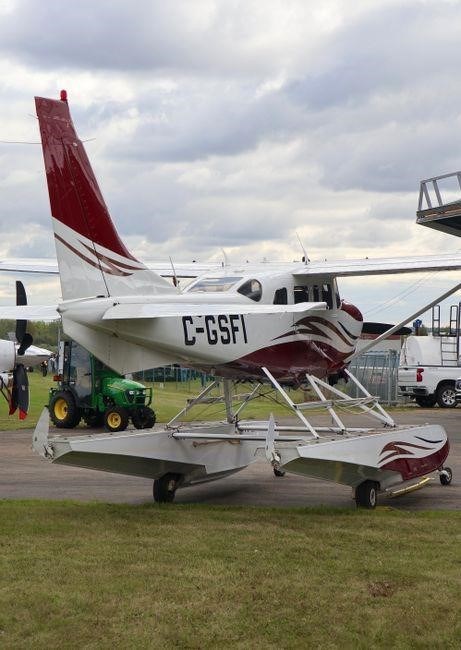
Fuselage inspections focus on skin integrity, rivet condition, and corrosion. Wing spars and control surfaces are checked for cracks and proper alignment. Landing gear assemblies, including struts, brakes, and tires, undergo load‑bearing and wear assessments to ensure safe operation. Extend life.!!?
Fuselage, Wing, and Landing Gear Checks
Fuselage inspections focus on skin integrity, rivet condition, and corrosion. Inspect for dents, cracks, and paint failures. Check attachment points for loose fittings. Verify structural fasteners meet torque specifications. Wing inspections include spars, ribs, and control surface hinges for fatigue and alignment. Examine wing root for corrosion, ensure proper fairing condition. Landing gear checks cover strut compression, shock absorber fluid, and tire tread depth. Inspect wheel bearings for play, confirm brake calipers are secure, and verify wheel lug nuts are torqued to spec. Use a calibrated torque wrench and follow the manual’s torque tables. Record all findings in the maintenance logbook, noting any corrective actions required. Adhere to FAA ADs and service bulletins to maintain airworthiness. Follow the manual’s step‑by‑step procedures for cleaning, lubrication, and component replacement. Ensure all work is performed by certified personnel and documented with proper signatures. Maintain a clean, dry work area to prevent contamination. This systematic approach guarantees structural integrity and safe operation of the aircraft. The manual recommends routine inspection of the propeller blade pitch, monitoring for feathering issues, and ensuring the hub is free of corrosion and lubricated; it very advises checks of the fuel tank vent system and the aircraft’s balance to maintain optimal performance
Electrical and Avionics Systems
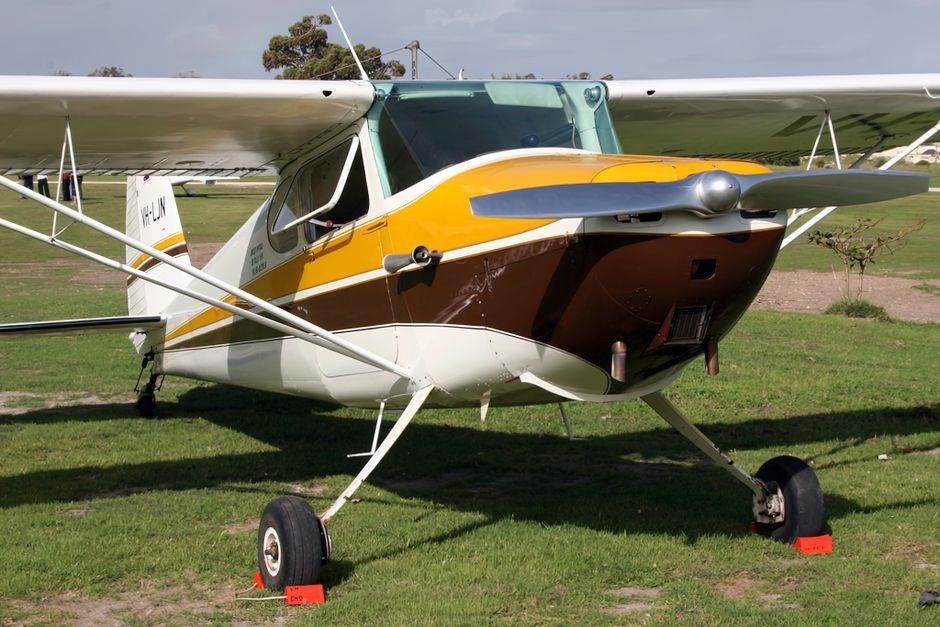
Follow torque specs,use cable routing,log checks All wiring is inspected for corrosion, and all connectors are tightened to spec. The battery is tested for voltage, and the alternator output is verified. Documentation is logged per FAA guidelines. Wiring done.
Wiring, Grounding, and Instrumentation Maintenance
Wiring, grounding, and instrumentation maintenance in the cessna 100 series follows the factory‑recommended procedures outlined in the D637‑1‑13 service manual. All electrical circuits are inspected for continuity, insulation resistance, and proper termination. Connectors are tightened to the specified torque, and any frayed or corroded conductors are replaced with the correct gauge wire. Grounding straps are verified to be secure and free of corrosion, ensuring a low‑impedance path to the airframe. The battery, alternator, and starter are tested for voltage output and load capability. Instrument panels are checked for correct operation, and any defective gauges or indicator lights are repaired or replaced. Wiring harnesses are routed according to the diagram, with all straps and ties secured to prevent vibration damage. The manual specifies inspection intervals: daily, weekly, monthly, and annual checks, each documented in the aircraft logbook. Adhering to these procedures guarantees compliance with FAA regulations and maintains the aircraft’s electrical reliability and safety. Additionally, the manual recommends periodic inspection of the fuse panel, ensuring that all fuses are correctly rated and that the panel is free of dust and moisture. The grounding system is verified by measuring resistance between the frame and the grounding points, with a maximum acceptable value of 0.5 ohms. Any deviation triggers immediate corrective action. The service manual also details the use of a multimeter to check continuity across all critical circuits, and the importance of proper insulation on all exposed conductors. It emphasizes the need for regular cleaning of the instrument panel to prevent dust accumulation, which can interfere with gauge accuracy. The grounding straps are inspected for corrosion and tightened to the specified torque to ensure a reliable electrical path. All maintenance actions are logged with date, time, and technician signature, ensuring traceability and compliance with regulatory requirements. Finally, the manual advises that any changes to the electrical system, such as the installation of new avionics or modifications to existing wiring, must be approved by a certified mechanic and documented in the aircraft’s maintenance records. This ensures that the aircraft remains airworthy and that all electrical components function within their specified parameters.
Ground Handling and Support Equipment
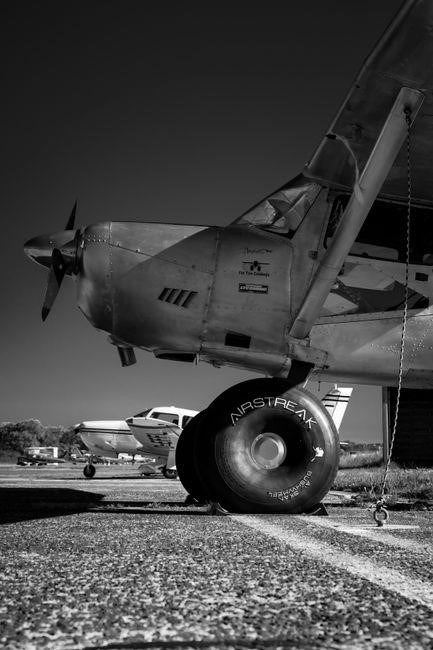
Ground handling procedures for the cessna 100 series include pushback, towing, and ground power operations. The manual specifies safe towing speeds, proper use of tow bars, and grounding techniques for electrical systems. It also covers push‑back equipment selection and safe operation for all users!
Pushback, Towing, and Ground Power Operations
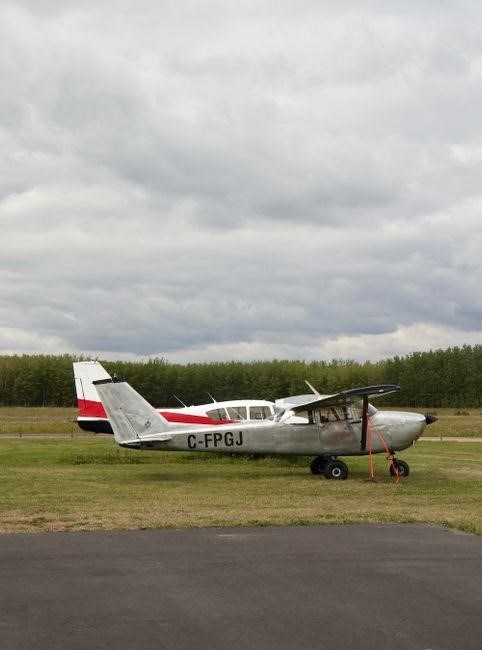
The cessna 100 series maintenance manual details safe pushback and towing protocols, specifying maximum towing speeds of 10 mph and the use of a 1‑inch tow bar attached to the nose gear. Ground power units must supply 115 V AC at 60 Hz, with a minimum 10 A rating, and all connections should be insulated and grounded per FAA AD‑2015‑02. The manual recommends a 30‑second pre‑flight check of the pushback cable tension, verifying that the cable is free of kinks and properly secured to the aircraft’s tow hook. Towing should be performed on a level surface, with the aircraft positioned 90° to the ground power unit to avoid torque stresses. Pushback operations require a trained ground crew, with the pilot issuing a clear “pushback” command and the crew confirming the aircraft’s position before initiating movement. Ground power operations include disconnecting the unit after engine start, ensuring the battery is fully charged, and monitoring the power supply for voltage drops. The manual also advises using a dedicated ground power cart equipped with a 3‑phase breaker to protect against electrical surges. All ground handling equipment must be inspected monthly for wear, and any damaged components must be replaced immediately. Proper documentation in the aircraft logbook is required for each pushback, tow, and ground power session, noting the date, crew, equipment used, and any anomalies observed. These procedures ensure the aircraft’s structural integrity and electrical safety during ground operations. Crew members should also record any abnormal vibrations or noises during the pushback, noting their intensity and duration for trend analysis.
Documentation, Revision Control, and Records
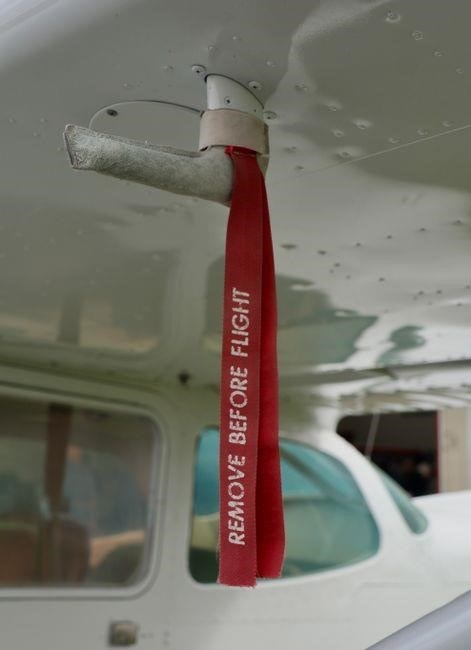
The cessna 100 series maintenance manual mandates meticulous record‑keeping. Each service, inspection, and part replacement must be logged with date, time, technician,and part number. Revision control follows a versioning system, ensuring all updates are traceable and compliant with FAA regulations.
Service Bulletins, ADs, and Logbook Entries
In the cessna 100 series maintenance manual, every service bulletin (SB) and Airworthiness Directive (AD) is cataloged with a unique identifier, effective date, and compliance deadline. Technicians must cross‑reference the bulletin list before each scheduled check to ensure all mandatory actions are performed. The manual specifies that logbook entries must be completed immediately after any work, noting the SB or AD number, the action taken, the part number installed, and the hours added to the engine and airframe. Each entry is signed by the responsible maintenance personnel and dated. If an AD requires a corrective action beyond routine maintenance, the manual instructs that a separate corrective action log be maintained, detailing the investigation, findings, and final resolution. The logbook format includes columns for “Task,” “Part No.,” “Hours Added,” “Technician,” and “Signature.” In addition, the manual mandates that all logbook entries be retained for a minimum of five years, with electronic copies archived in a secure database. Periodic audits verify that entries match the actual work performed, and any discrepancies trigger a corrective action report. By rigorously following these procedures, operators maintain compliance with FAA regulations and preserve the aircraft’s airworthiness history. Operators are encouraged to review the logbook quarterly to identify trends and plan preventive maintenance. All entries are cross‑checked against the aircraft’s flight log to ensure consistency.
Maintenance Schedule and Interval Planning
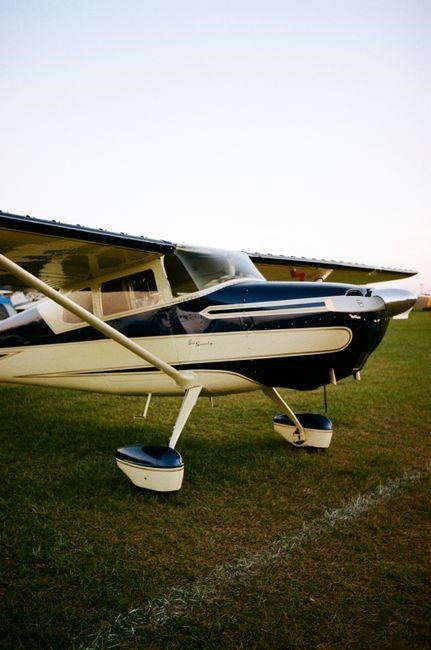
Daily: oil change, fuel filter, preflight check. Weekly: tire pressure, landing gear, avionics. Monthly: engine run‑up, prop inspection, hydraulic system. Annual: full airframe inspection, AD compliance, logbook updates. Ensure all tasks align with FAA regulations and maintain documentation!
Daily, Weekly, Monthly, and Annual Checks
Daily inspections focus on fluid levels, control surface alignment, and engine pre‑flight checks. Oil and coolant are verified, fuel caps sealed, and the propeller inspected for cracks. The cockpit is cleared of debris, instruments calibrated, and the landing gear inspected for leaks. Tire pressures are measured, and the airframe is examined for corrosion or structural damage. Weekly tasks expand to a full engine run‑up, checking compression, spark plugs, and fuel system integrity. Avionics are tested, battery charge verified, and the electrical system inspected for loose connections. Tire pressures are re‑checked, and the airframe is inspected for any signs of wear or damage. Monthly maintenance includes a comprehensive propeller inspection, propeller pitch adjustment, and a detailed airframe inspection covering fuselage, wing spars, and control linkages. The hydraulic system is flushed, and the landing gear struts are inspected for wear. The engine’s oil filter is replaced, and the fuel filter is checked for blockage. Annual checks are the most exhaustive, involving a complete engine overhaul if required, a full airframe inspection with non‑destructive testing, and a thorough review of all service bulletins and airworthiness directives. The annual cycle also includes a complete avionics overhaul, a full structural inspection, and the replacement of any worn or damaged components. Documentation is updated in the logbook, and all maintenance is recorded to ensure compliance with FAA regulations and to maintain the aircraft’s airworthiness. All tasks are logged meticulously, and any discrepancies are addressed immediately to uphold safety standards. The maintenance program is designed to be flexible, allowing for adjustments based on real‑world operational data. By continuously monitoring component health and updating procedures, maintenance teams can adapt to changing conditions, ensuring optimal performance and safety. All maintenance activities are logged in detail, with timestamps, technician signatures, and part serial numbers recorded to maintain traceability and compliance with regulatory requirements.
Safety, Compliance, and Emergency Procedures
The cessna 100 series maintenance manual prioritizes safety, ensuring compliance with FAA regulations It details inspection routines, fault detection, and corrective actions, providing clear guidance for pilots and technicians to maintain airworthiness and respond effectively to incidents now and safety.!
FAA Regulations, Inspection Protocols, and Accident Response

The cessna 100 series maintenance manual aligns with FAA regulations, providing step‑by‑step inspection protocols for daily, weekly, monthly, and annual checks. It specifies required documentation, record‑keeping, and revision control to maintain airworthiness. The manual outlines the use of service bulletins and airworthiness directives, ensuring that all maintenance actions comply with current regulatory requirements. Inspection protocols include engine oil sampling, fuel filter replacement, airframe corrosion checks, and avionics system verification. Each procedure is accompanied by detailed checklists, torque specifications, and service intervals. Accident response guidance covers emergency shutdown procedures, fire suppression, and post‑accident data collection. The manual stresses the importance of immediate reporting to the FAA and following the accident investigation process. It also provides guidance on preparing the aircraft for post‑accident inspection, including removal of damaged components, documentation of findings, and coordination with repair facilities. By adhering to these protocols, operators can reduce risk, ensure compliance, and maintain the safety of the cessna 100 series fleet. Operators must keep detailed logbooks, perform pre‑flight checks, and adhere to weight limits. The manual guides troubleshooting of electrical issues, instrument calibration, and grounding. All work should be recorded and any anomalies reported to the FAA. In accidents, it prescribes securing the aircraft, gathering evidence, and coordinating with investigators. All comply days