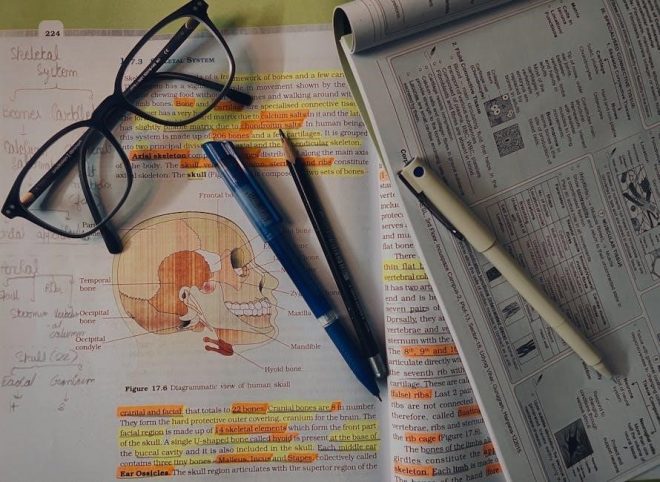
Gray’s Anatomy, a cornerstone of medical education, now exists conveniently in PDF format, offering students and professionals accessible anatomical knowledge․
The digital version preserves the textbook’s legacy, providing detailed illustrations and comprehensive descriptions for enhanced learning and clinical application․
Historical Significance of Gray’s Anatomy
Gray’s Anatomy, initially published in 1858 by Henry Gray, revolutionized the study of the human body․ Before its arrival, anatomical texts were often inconsistent and incomplete․ Gray’s meticulous work, coupled with the stunning illustrations by Henry Vandyke Carter, established a new standard for anatomical accuracy and detail․
The book quickly became a foundational text for medical students and surgeons, influencing generations of healthcare professionals․ Its enduring popularity led to numerous revisions and editions, each building upon the original’s comprehensive foundation․ The transition to a PDF format in recent years has further democratized access to this invaluable resource, allowing for wider dissemination and study across the globe, preserving its historical impact for the digital age․
Evolution of the Textbook Through Editions
Gray’s Anatomy has undergone significant evolution through its 42 editions, adapting to advancements in anatomical knowledge and medical technology․ Early editions focused on detailed anatomical descriptions, while later versions incorporated clinical correlations and surgical perspectives․ The 38th edition, for example, featured contributions from experts like Dussek and Soames․
The shift to a PDF format represents a major milestone, enabling dynamic updates and multimedia integration․ The 42nd edition, published by Elsevier, boasts over 150 new radiology images and downloadable eBook access, including videos․ This evolution reflects a commitment to providing a comprehensive and interactive learning experience, ensuring Gray’s Anatomy remains a vital resource for modern medical education․
Current Relevance in Medical Education
Gray’s Anatomy remains exceptionally relevant in contemporary medical education, serving as a foundational text for students across disciplines․ The PDF version enhances accessibility, allowing for convenient study on various devices and integration with digital learning platforms․
Its detailed illustrations, coupled with clinical applications, bridge the gap between theoretical knowledge and practical understanding․ The inclusion of modern imaging techniques, like CT and MRI scans – over 150 new images in the 42nd edition – prepares students for real-world clinical scenarios․ The downloadable eBook features, including videos, further solidify its position as a premier anatomical resource, fostering a deeper comprehension of the human body․

Understanding the Latest Edition (42nd)
The 42nd edition, available as a PDF, features updated content from Susan Standring and colleagues, alongside enhanced radiology images and eBook access․
Key Authors and Editors (Susan Standring, et al․)
Susan Standring, PhD DSc, serves as a pivotal figure in the latest editions of Gray’s Anatomy, holding positions as Reader in Anatomy and Cell Biology and Director of the Tissue Repair Research Unit․

Alongside Standring, a collaborative team of expert authors and editors, including Dussek, Soames, and Dyson, contribute significantly to the textbook’s comprehensive scope․ Their collective expertise ensures the accuracy and clinical relevance of the anatomical information presented․
These individuals, often consultants and professors in their respective fields, meticulously revise and update the content, reflecting advancements in medical knowledge and surgical techniques․ The late Peter L․ Williams previously chaired the editorial board, establishing a strong foundation for continued excellence․
Publication Date and Publisher Information (Elsevier)
Elsevier stands as the prominent publisher of Gray’s Anatomy, consistently delivering updated editions to the medical community․ The 42nd edition, a significant milestone, was published in 2021 – specifically noted as May 22, 2021 – and is widely available in both print and digital PDF formats․
Elsevier’s commitment to quality ensures the textbook maintains its reputation as a leading anatomical resource․ The publisher facilitates access through various platforms, including the Expert Consult eBook version bundled with print purchases․
This partnership between content creators and a reputable publisher guarantees the ongoing relevance and accessibility of Gray’s Anatomy for students and healthcare professionals globally․
Major Updates and New Features (Radiology Images, eBook Access)
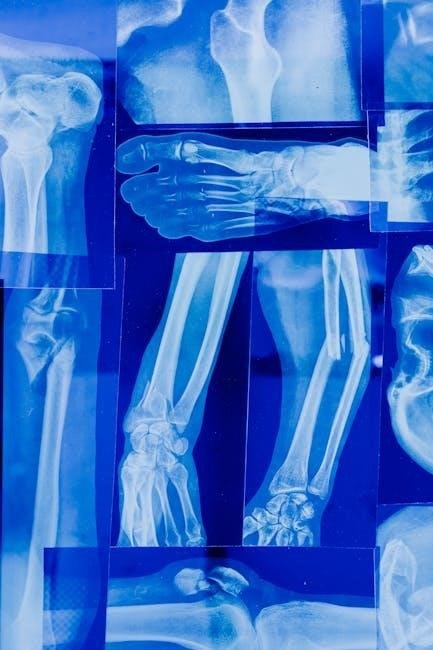
The latest editions of Gray’s Anatomy, particularly the 42nd, showcase substantial enhancements․ A key update is the inclusion of over 150 new radiology images, featuring advanced X-ray, CT, and MRI perspectives, including cinematic rendering for detailed visualization․
Furthermore, the PDF version unlocks eBook access via Expert Consult, allowing users to search the entire text, figures, references, and integrated videos across multiple devices․
These digital features align with the textbook’s innovative spirit, providing an interactive and comprehensive learning experience․ This blend of traditional anatomical detail and modern technology solidifies Gray’s Anatomy’s position as a premier educational tool․

Content Overview of Gray’s Anatomy
Gray’s Anatomy meticulously details systemic and regional anatomy, enriched with clinical correlations, providing a comprehensive understanding of the human body’s structure and function․
Systemic Anatomy Breakdown
Gray’s Anatomy’s systemic approach dissects the body into distinct systems – skeletal, muscular, nervous, cardiovascular, and more – offering a foundational understanding of each component․
Each system receives dedicated chapters detailing its structures, functions, and clinical relevance․ The textbook meticulously explores the intricacies of bone composition, muscle attachments, nerve pathways, and blood vessel distributions․
This organized structure allows for focused study and facilitates comprehension of how individual systems contribute to overall bodily function․ The PDF format enhances this learning with searchable text and high-resolution images, allowing for detailed examination of anatomical structures within each system․ It’s a robust resource for building a solid anatomical base․
Regional Anatomy Focus
Gray’s Anatomy complements its systemic approach with a detailed regional focus, examining the body organized by anatomical areas – head and neck, thorax, abdomen, upper and lower limbs․
This method highlights the integrated relationships between different systems within specific regions, crucial for clinical practice․ The PDF version allows for easy cross-referencing between regional and systemic chapters, deepening understanding․
Users can explore how muscles, nerves, and vessels interact within the hand, for example, or trace the structures of the thorax․ High-resolution images within the PDF showcase spatial relationships, aiding visualization․ This regional perspective is invaluable for surgeons and clinicians needing a holistic view of anatomical structures․
Clinical Correlations and Applications
Gray’s Anatomy doesn’t exist in isolation; the PDF edition strongly emphasizes clinical relevance, bridging the gap between anatomical knowledge and medical practice․
Throughout the text, clinical boxes detail how anatomical variations relate to surgical procedures, common pathologies, and diagnostic imaging․ The PDF format facilitates quick access to these crucial correlations․
For instance, discussions of nerve pathways are linked to potential injury sites and resulting clinical deficits․ The inclusion of over 150 new radiology images – X-rays, CT scans, and MRIs – within the PDF directly demonstrates anatomical structures in vivo, aiding diagnostic interpretation․ This integration prepares students and practitioners for real-world clinical scenarios․
Accessing Gray’s Anatomy in PDF Format
Gray’s Anatomy PDFs are available through official platforms like Elsevier and Expert Consult, often bundled with print purchases for convenient digital access․
Legal and Ethical Considerations of PDF Downloads
Downloading Gray’s Anatomy PDFs from unofficial sources presents significant legal and ethical concerns․ Copyright laws protect the intellectual property of the authors, publishers (like Elsevier), and contributors․
Unauthorized distribution or acquisition of the PDF constitutes copyright infringement, potentially leading to legal repercussions for both the downloader and distributor․ Furthermore, PDFs obtained from unverified websites may contain malware, viruses, or compromised content, posing security risks to your devices and data․
Ethically, supporting legitimate channels ensures continued investment in high-quality medical education resources․ Purchasing through official vendors directly supports the authors and allows for ongoing updates and improvements to this vital textbook․ Prioritize legal and secure access to maintain academic integrity and protect yourself from potential harm․
Reliable Sources for PDF Acquisition (Elsevier, Official Platforms)
Securing a legitimate Gray’s Anatomy PDF requires utilizing trusted sources․ Elsevier, the official publisher, offers the eBook version alongside print purchases, often including access through platforms like Expert Consult․ This ensures you receive a verified, updated, and secure file․
Other reliable platforms include official medical bookstore websites and authorized digital distributors․ These sources guarantee copyright compliance and provide access to supplementary materials, such as videos and interactive elements, enhancing the learning experience․
Avoid third-party websites offering “free” downloads, as these frequently violate copyright and pose security risks․ Investing in a legitimate PDF ensures quality, supports the authors, and protects your digital wellbeing․
Potential Risks of Unofficial PDF Sources
Downloading Gray’s Anatomy from unofficial sources presents significant risks․ These PDFs often contain malware, viruses, or other malicious software that can compromise your device and personal data․ Copyright infringement is also a serious concern, supporting illegal distribution and undermining the authors’ work․
Furthermore, unofficial versions may be outdated, incomplete, or contain errors, hindering accurate learning and potentially leading to misdiagnosis or incorrect treatment plans․ The quality of images and illustrations can be severely compromised, diminishing their educational value․
Prioritize your security and academic integrity by exclusively obtaining the PDF from Elsevier or authorized platforms, ensuring a safe and reliable learning resource․

Utilizing the Gray’s Anatomy PDF Effectively
The Gray’s Anatomy PDF unlocks powerful features like search, interactive elements, and downloadable resources, enhancing study and clinical application for users․
Navigation and Search Functionality
Efficient navigation is paramount when utilizing the Gray’s Anatomy PDF․ The digital format allows for quick access to specific anatomical regions or systems, bypassing the need for extensive page-turning․
A robust search function enables users to locate keywords, structures, or clinical correlations instantly, streamlining research and study sessions․
The eBook version, included with purchase, further enhances this capability, offering hyperlinked cross-references and an interactive table of contents․
Users can easily jump between sections, figures, and references, fostering a more dynamic and interconnected learning experience․ This functionality is crucial for complex anatomical study and rapid information retrieval․
Utilizing the eBook Features (Videos, Interactive Elements)
The Gray’s Anatomy eBook significantly expands the learning experience beyond the traditional textbook․ Access to integrated videos demonstrates complex anatomical relationships and surgical approaches, providing a dynamic visual component․
Interactive elements, such as zoomable high-resolution images and labeled diagrams, allow for detailed exploration of anatomical structures․
The downloadable Expert Consult version enables access on various devices, ensuring learning flexibility․
These features, characteristic of Gray’s Anatomy’s innovative spirit, complement the static illustrations and text, fostering a deeper understanding and retention of anatomical knowledge for students and practitioners alike․
Integration with Other Learning Resources
The Gray’s Anatomy PDF doesn’t exist in isolation; it’s designed to complement other learning tools․ Its detailed content serves as a robust foundation for clinical studies and practical dissections․
Students can effectively cross-reference information with radiology images – over 150 new additions in recent editions – enhancing diagnostic skills․
The eBook’s search functionality allows quick access to specific anatomical details when used alongside case studies or clinical rotations․
Furthermore, integrating Gray’s Anatomy with online anatomy platforms and virtual reality applications can create a comprehensive and immersive learning experience, solidifying anatomical understanding․

Specific Features of the PDF Version
Gray’s Anatomy PDF boasts high-resolution images, downloadable supplements, and compatibility across devices, offering a versatile and enriched learning experience for users․
High-Resolution Images and Illustrations
Gray’s Anatomy has always been renowned for its detailed and accurate illustrations, and the PDF version maintains this tradition with exceptional clarity․ The digital format allows for viewing incredibly high-resolution images, showcasing intricate anatomical structures with remarkable precision․
These aren’t simply reproductions of older artwork; the latest editions, particularly the 42nd, incorporate over 150 new radiology images․ These include cutting-edge X-ray, multiplanar CT, and MR perspectives, even utilizing cinematic rendering techniques․
This visual enhancement is crucial for understanding spatial relationships and identifying key anatomical landmarks, significantly aiding in both study and clinical practice․ Zooming capabilities within the PDF ensure no detail is missed, providing an unparalleled visual learning experience․
Downloadable Resources and Supplements
The Gray’s Anatomy PDF, especially when accessed through platforms like Expert Consult (bundled with print purchases), unlocks a wealth of supplementary materials․ Beyond the core textbook content, users gain access to downloadable resources designed to deepen understanding and enhance learning․
These supplements include a comprehensive collection of videos demonstrating key anatomical concepts and surgical approaches․ Interactive elements further engage students, providing dynamic ways to explore the human body․
Furthermore, the PDF often includes access to all referenced figures, tables, and a complete bibliography, facilitating research and further exploration․ This integrated approach transforms the PDF from a static textbook into a dynamic learning hub;
Compatibility with Various Devices
A significant advantage of the Gray’s Anatomy PDF, particularly the eBook version, is its broad device compatibility․ Users aren’t confined to a single computer; the eBook format allows seamless access across a range of platforms․
This includes laptops, desktop computers, tablets (like iPads and Android tablets), and even smartphones․ The downloadable nature ensures offline access, crucial for studying without a constant internet connection․
The eBook reader adapts the content for optimal viewing on each screen size, maintaining image clarity and text readability․ This multi-device accessibility makes Gray’s Anatomy a truly portable and versatile learning tool for modern medical students and practitioners․

Comparison to Other Anatomy Textbooks
Gray’s Anatomy distinguishes itself through detailed clinical correlations and comprehensive coverage, often contrasted with Netter’s or Moore’s, offering a unique depth․
Gray’s Anatomy vs․ Netter’s Anatomy
Gray’s Anatomy and Netter’s Anatomy represent distinct approaches to anatomical study․ Netter’s excels in visually stunning, clinically-focused illustrations, prioritizing quick comprehension of anatomical relationships․ It’s often favored for its ease of use and direct clinical application, making it ideal for rapid review and visual learners․
Conversely, Gray’s Anatomy provides a significantly more exhaustive and detailed textual description of anatomy․ It delves deeper into the intricacies of anatomical structures, including histological details and developmental aspects․ While Netter’s prioritizes visual clarity, Gray’s emphasizes comprehensive understanding․ The PDF version of Gray’s allows for detailed searching and access to a wealth of information not always present in Netter’s․
Ultimately, the choice depends on individual learning styles and needs; Netter’s for visual learners needing quick references, and Gray’s for those seeking in-depth anatomical knowledge․
Gray’s Anatomy vs․ Moore’s Clinically Oriented Anatomy
Gray’s Anatomy and Moore’s Clinically Oriented Anatomy both serve medical students, but differ in their approach․ Moore’s prioritizes clinical relevance, integrating anatomical knowledge directly with clinical scenarios and pathological conditions․ It emphasizes ‘clinical boxes’ and real-world applications, making it highly practical for aspiring clinicians․
Gray’s Anatomy, while also containing clinical correlations, maintains a stronger foundation in traditional, systematic anatomical description․ The PDF version of Gray’s offers a more exhaustive exploration of anatomical detail, including developmental and histological aspects, often exceeding Moore’s scope․ Gray’s provides a broader, more fundamental understanding of anatomy․
Moore’s is favored for its direct clinical focus, while Gray’s is preferred for its comprehensive anatomical depth․ The choice depends on whether a student prioritizes clinical application or foundational anatomical knowledge․
Strengths and Weaknesses of Gray’s Anatomy
Gray’s Anatomy’s primary strength lies in its unparalleled detail and comprehensive coverage of human anatomy․ The PDF format enhances accessibility to these intricate illustrations and descriptions, offering a robust learning resource․ Its historical significance and continued updates ensure accuracy and relevance, bolstered by expert contributions․
However, its sheer volume can be daunting for some students․ The extensive detail, while valuable, may sometimes overshadow clinical correlations compared to texts like Moore’s․ The PDF, while searchable, can be large and require significant storage space․
Furthermore, navigating the PDF effectively requires familiarity with its features․ Despite these minor drawbacks, Gray’s remains a gold standard, particularly for those seeking a thorough anatomical foundation․

The Future of Gray’s Anatomy
Gray’s Anatomy will likely integrate augmented reality and expanded digital tools within its PDF format, continually updating based on new anatomical research findings․
Potential for Augmented Reality Integration
Gray’s Anatomy’s future could see a significant shift with augmented reality (AR) integration within the PDF version․ Imagine pointing a device at a page and witnessing a 3D, interactive model of the anatomical structure spring to life! This immersive experience would revolutionize learning, allowing students to rotate, dissect, and explore the human body in unprecedented detail․
Such AR features could overlay digital information onto physical textbook pages, enhancing understanding of complex relationships between structures․ The downloadable eBook version, already offering interactive elements, provides a strong foundation for this evolution․ This technology promises a dynamic and engaging learning experience, moving beyond static images to a truly interactive anatomical exploration, solidifying Gray’s Anatomy’s position as a leader in medical education․
Expansion of Digital Learning Tools
The Gray’s Anatomy PDF is poised for expansion with more sophisticated digital learning tools․ Beyond the current eBook features – videos and interactive elements – expect integrated quizzes, self-assessment modules, and personalized learning paths․ These additions will cater to diverse learning styles and reinforce anatomical concepts effectively․
Imagine a system tracking progress, identifying knowledge gaps, and recommending specific sections for review․ Furthermore, collaborative features like virtual dissection tables and peer-to-peer learning forums could be incorporated․ The downloadable format facilitates seamless updates and the addition of new resources, ensuring the PDF remains a dynamic and comprehensive learning platform․ This evolution will solidify Gray’s Anatomy as a cutting-edge educational resource․
Continued Updates Based on Anatomical Research
The Gray’s Anatomy PDF’s enduring value lies in its commitment to reflecting the latest anatomical discoveries․ Ongoing research continually refines our understanding of the human body, and future PDF updates will incorporate these advancements․ Expect revisions to illustrations, descriptions, and clinical correlations based on new imaging techniques and surgical procedures․
These updates won’t be merely additive; they’ll be integrated thoughtfully to maintain the textbook’s clarity and coherence․ The digital format allows for rapid dissemination of new knowledge, ensuring users have access to the most current anatomical information․ This dedication to scientific accuracy will cement Gray’s Anatomy’s position as the gold standard in anatomical education for generations to come․