
cessna 100 series maintenance manual

Overview of cessna 100 series maintenance manual

The cessna 100 series maintenance manual offers comprehensive guidance for inspecting, servicing, and repairing early single‑engine aircraft. It covers engine care, airframe checks, avionics upkeep, and ground handling, ensuring compliance with FAA standards. It supports compliance and reliability now.

Key Features and Scope

The cessna 100 series maintenance manual, identified as D637‑1‑13, is a cornerstone reference for operators of early single‑engine Cessna aircraft. It consolidates factory‑recommended procedures for aircraft manufactured between 1962 and 1968, including the 100, 150, 172, 180, 182, and 185 models. The manual’s scope extends from routine daily checks to comprehensive annual overhauls, covering engine oil and fuel system maintenance, air induction filter cleaning, and shock absorber servicing; It also details fuselage and wing inspections, landing gear integrity checks, and electrical wiring integrity. Ground handling operations—pushback, towing, and ground power usage—are outlined with safety precautions. Documentation requirements are clearly defined, including service bulletin updates, AD compliance, and logbook recording. The manual’s structure is organized into logical sections that mirror the aircraft’s systems, facilitating quick reference during maintenance cycles. By adhering to these procedures, operators can maintain airworthiness, extend component life, and ensure regulatory compliance across the entire fleet. The manual’s emphasis on preventive maintenance and systematic record‑keeping supports both safety and operational efficiency for owners and maintenance crews alike. The manual incorporates revision history, ensuring operators apply the latest factory updates and comply with all airworthiness directives. It provides guidance on tracking changes, applying service bulletins, and maintaining accurate logbook entries for each maintenance action.

Engine and Powerplant Maintenance

The manual details oil change intervals, fuel filter replacement, and carburetor cleaning. It outlines ignition system checks, magneto testing, and propeller inspection. Maintenance schedules align with FAA ADs, ensuring engine reliability and safety.?!

Oil, Fuel, and Induction System Procedures

Engine oil changed with dipstick; oil filter inspected; Fuel lines checked for corrosion; fuel pump pressure tested. Carburetor jets cleaned; throttle linkage lubricated for optimal performance.

Airframe and Structural Inspection

Fuselage inspections focus on skin integrity, rivet condition, and corrosion. Wing spars and control surfaces are checked for cracks and proper alignment. Landing gear assemblies, including struts, brakes, and tires, undergo load‑bearing and wear assessments to ensure safe operation. Extend life.!!?

Fuselage, Wing, and Landing Gear Checks

Fuselage inspections focus on skin integrity, rivet condition, and corrosion. Inspect for dents, cracks, and paint failures. Check attachment points for loose fittings. Verify structural fasteners meet torque specifications. Wing inspections include spars, ribs, and control surface hinges for fatigue and alignment. Examine wing root for corrosion, ensure proper fairing condition. Landing gear checks cover strut compression, shock absorber fluid, and tire tread depth. Inspect wheel bearings for play, confirm brake calipers are secure, and verify wheel lug nuts are torqued to spec. Use a calibrated torque wrench and follow the manual’s torque tables. Record all findings in the maintenance logbook, noting any corrective actions required. Adhere to FAA ADs and service bulletins to maintain airworthiness. Follow the manual’s step‑by‑step procedures for cleaning, lubrication, and component replacement. Ensure all work is performed by certified personnel and documented with proper signatures. Maintain a clean, dry work area to prevent contamination. This systematic approach guarantees structural integrity and safe operation of the aircraft. The manual recommends routine inspection of the propeller blade pitch, monitoring for feathering issues, and ensuring the hub is free of corrosion and lubricated; it very advises checks of the fuel tank vent system and the aircraft’s balance to maintain optimal performance

Electrical and Avionics Systems

Follow torque specs,use cable routing,log checks All wiring is inspected for corrosion, and all connectors are tightened to spec. The battery is tested for voltage, and the alternator output is verified. Documentation is logged per FAA guidelines. Wiring done.

Wiring, Grounding, and Instrumentation Maintenance

Wiring, grounding, and instrumentation maintenance in the cessna 100 series follows the factory‑recommended procedures outlined in the D637‑1‑13 service manual. All electrical circuits are inspected for continuity, insulation resistance, and proper termination. Connectors are tightened to the specified torque, and any frayed or corroded conductors are replaced with the correct gauge wire. Grounding straps are verified to be secure and free of corrosion, ensuring a low‑impedance path to the airframe. The battery, alternator, and starter are tested for voltage output and load capability. Instrument panels are checked for correct operation, and any defective gauges or indicator lights are repaired or replaced. Wiring harnesses are routed according to the diagram, with all straps and ties secured to prevent vibration damage. The manual specifies inspection intervals: daily, weekly, monthly, and annual checks, each documented in the aircraft logbook. Adhering to these procedures guarantees compliance with FAA regulations and maintains the aircraft’s electrical reliability and safety. Additionally, the manual recommends periodic inspection of the fuse panel, ensuring that all fuses are correctly rated and that the panel is free of dust and moisture. The grounding system is verified by measuring resistance between the frame and the grounding points, with a maximum acceptable value of 0.5 ohms. Any deviation triggers immediate corrective action. The service manual also details the use of a multimeter to check continuity across all critical circuits, and the importance of proper insulation on all exposed conductors. It emphasizes the need for regular cleaning of the instrument panel to prevent dust accumulation, which can interfere with gauge accuracy. The grounding straps are inspected for corrosion and tightened to the specified torque to ensure a reliable electrical path. All maintenance actions are logged with date, time, and technician signature, ensuring traceability and compliance with regulatory requirements. Finally, the manual advises that any changes to the electrical system, such as the installation of new avionics or modifications to existing wiring, must be approved by a certified mechanic and documented in the aircraft’s maintenance records. This ensures that the aircraft remains airworthy and that all electrical components function within their specified parameters.

Ground Handling and Support Equipment

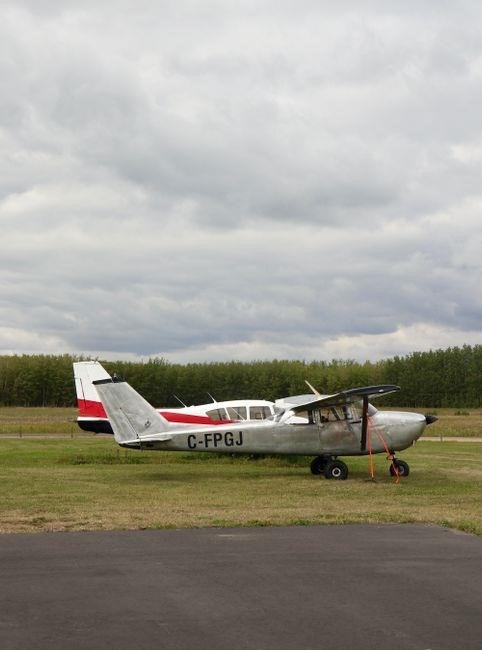
Ground handling procedures for the cessna 100 series include pushback, towing, and ground power operations. The manual specifies safe towing speeds, proper use of tow bars, and grounding techniques for electrical systems. It also covers push‑back equipment selection and safe operation for all users!
Pushback, Towing, and Ground Power Operations

The cessna 100 series maintenance manual details safe pushback and towing protocols, specifying maximum towing speeds of 10 mph and the use of a 1‑inch tow bar attached to the nose gear. Ground power units must supply 115 V AC at 60 Hz, with a minimum 10 A rating, and all connections should be insulated and grounded per FAA AD‑2015‑02. The manual recommends a 30‑second pre‑flight check of the pushback cable tension, verifying that the cable is free of kinks and properly secured to the aircraft’s tow hook. Towing should be performed on a level surface, with the aircraft positioned 90° to the ground power unit to avoid torque stresses. Pushback operations require a trained ground crew, with the pilot issuing a clear “pushback” command and the crew confirming the aircraft’s position before initiating movement. Ground power operations include disconnecting the unit after engine start, ensuring the battery is fully charged, and monitoring the power supply for voltage drops. The manual also advises using a dedicated ground power cart equipped with a 3‑phase breaker to protect against electrical surges. All ground handling equipment must be inspected monthly for wear, and any damaged components must be replaced immediately. Proper documentation in the aircraft logbook is required for each pushback, tow, and ground power session, noting the date, crew, equipment used, and any anomalies observed. These procedures ensure the aircraft’s structural integrity and electrical safety during ground operations. Crew members should also record any abnormal vibrations or noises during the pushback, noting their intensity and duration for trend analysis.
Documentation, Revision Control, and Records

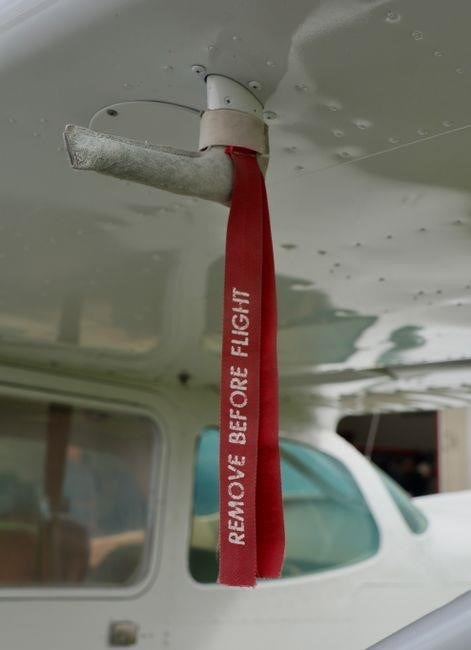
The cessna 100 series maintenance manual mandates meticulous record‑keeping. Each service, inspection, and part replacement must be logged with date, time, technician,and part number. Revision control follows a versioning system, ensuring all updates are traceable and compliant with FAA regulations.

Service Bulletins, ADs, and Logbook Entries

In the cessna 100 series maintenance manual, every service bulletin (SB) and Airworthiness Directive (AD) is cataloged with a unique identifier, effective date, and compliance deadline. Technicians must cross‑reference the bulletin list before each scheduled check to ensure all mandatory actions are performed. The manual specifies that logbook entries must be completed immediately after any work, noting the SB or AD number, the action taken, the part number installed, and the hours added to the engine and airframe. Each entry is signed by the responsible maintenance personnel and dated. If an AD requires a corrective action beyond routine maintenance, the manual instructs that a separate corrective action log be maintained, detailing the investigation, findings, and final resolution. The logbook format includes columns for “Task,” “Part No.,” “Hours Added,” “Technician,” and “Signature.” In addition, the manual mandates that all logbook entries be retained for a minimum of five years, with electronic copies archived in a secure database. Periodic audits verify that entries match the actual work performed, and any discrepancies trigger a corrective action report. By rigorously following these procedures, operators maintain compliance with FAA regulations and preserve the aircraft’s airworthiness history. Operators are encouraged to review the logbook quarterly to identify trends and plan preventive maintenance. All entries are cross‑checked against the aircraft’s flight log to ensure consistency.

Maintenance Schedule and Interval Planning

Daily: oil change, fuel filter, preflight check. Weekly: tire pressure, landing gear, avionics. Monthly: engine run‑up, prop inspection, hydraulic system. Annual: full airframe inspection, AD compliance, logbook updates. Ensure all tasks align with FAA regulations and maintain documentation!

Daily, Weekly, Monthly, and Annual Checks

Daily inspections focus on fluid levels, control surface alignment, and engine pre‑flight checks. Oil and coolant are verified, fuel caps sealed, and the propeller inspected for cracks. The cockpit is cleared of debris, instruments calibrated, and the landing gear inspected for leaks. Tire pressures are measured, and the airframe is examined for corrosion or structural damage. Weekly tasks expand to a full engine run‑up, checking compression, spark plugs, and fuel system integrity. Avionics are tested, battery charge verified, and the electrical system inspected for loose connections. Tire pressures are re‑checked, and the airframe is inspected for any signs of wear or damage. Monthly maintenance includes a comprehensive propeller inspection, propeller pitch adjustment, and a detailed airframe inspection covering fuselage, wing spars, and control linkages. The hydraulic system is flushed, and the landing gear struts are inspected for wear. The engine’s oil filter is replaced, and the fuel filter is checked for blockage. Annual checks are the most exhaustive, involving a complete engine overhaul if required, a full airframe inspection with non‑destructive testing, and a thorough review of all service bulletins and airworthiness directives. The annual cycle also includes a complete avionics overhaul, a full structural inspection, and the replacement of any worn or damaged components. Documentation is updated in the logbook, and all maintenance is recorded to ensure compliance with FAA regulations and to maintain the aircraft’s airworthiness. All tasks are logged meticulously, and any discrepancies are addressed immediately to uphold safety standards. The maintenance program is designed to be flexible, allowing for adjustments based on real‑world operational data. By continuously monitoring component health and updating procedures, maintenance teams can adapt to changing conditions, ensuring optimal performance and safety. All maintenance activities are logged in detail, with timestamps, technician signatures, and part serial numbers recorded to maintain traceability and compliance with regulatory requirements.
Safety, Compliance, and Emergency Procedures

The cessna 100 series maintenance manual prioritizes safety, ensuring compliance with FAA regulations It details inspection routines, fault detection, and corrective actions, providing clear guidance for pilots and technicians to maintain airworthiness and respond effectively to incidents now and safety.!

FAA Regulations, Inspection Protocols, and Accident Response

The cessna 100 series maintenance manual aligns with FAA regulations, providing step‑by‑step inspection protocols for daily, weekly, monthly, and annual checks. It specifies required documentation, record‑keeping, and revision control to maintain airworthiness. The manual outlines the use of service bulletins and airworthiness directives, ensuring that all maintenance actions comply with current regulatory requirements. Inspection protocols include engine oil sampling, fuel filter replacement, airframe corrosion checks, and avionics system verification. Each procedure is accompanied by detailed checklists, torque specifications, and service intervals. Accident response guidance covers emergency shutdown procedures, fire suppression, and post‑accident data collection. The manual stresses the importance of immediate reporting to the FAA and following the accident investigation process. It also provides guidance on preparing the aircraft for post‑accident inspection, including removal of damaged components, documentation of findings, and coordination with repair facilities. By adhering to these protocols, operators can reduce risk, ensure compliance, and maintain the safety of the cessna 100 series fleet. Operators must keep detailed logbooks, perform pre‑flight checks, and adhere to weight limits. The manual guides troubleshooting of electrical issues, instrument calibration, and grounding. All work should be recorded and any anomalies reported to the FAA. In accidents, it prescribes securing the aircraft, gathering evidence, and coordinating with investigators. All comply days


paracetamol dogs dosage chart pdf

Paracetamol offers mild analgesia and antipyresis for canines‚ yet dosing must be precise. Veterinary guidance is essential because small errors can lead to hepatotoxicity. A clear dosage chart helps owners administer 10‑15 mg/kg safely. Vet approval needed!.

Importance of a Dosage Chart PDF

For pet owners‚ a downloadable PDF dosage chart is a cornerstone of responsible medication management. It condenses complex dosing logic into a single‚ easy‑to‑read document‚ eliminating the need to consult multiple sources or rely on memory. By presenting the information in a clear‚ printable format‚ the chart reduces the likelihood of misinterpretation or accidental overdose. The chart also serves as a visual aid that can be referenced during a veterinary visit‚ ensuring that both owner and clinician are aligned on the correct dosing strategy. Additionally‚ the PDF format allows the chart to be stored digitally‚ printed for quick reference‚ or shared with a veterinarian for confirmation‚ fostering a collaborative approach to pain control. A well‑designed chart includes a dedicated warning section that highlights species‑specific risks‚ such as the high toxicity of paracetamol in cats and ferrets‚ reinforcing the importance of species‑appropriate medication. The chart’s layout typically features a concise summary of key points‚ a quick‑reference table‚ and a brief safety checklist‚ all of which help owners make informed decisions. By providing a single source of truth‚ the PDF eliminates confusion that can arise from inconsistent verbal instructions or fragmented online resources. Ultimately‚ the availability of a reliable dosage chart empowers owners to administer medication confidently while safeguarding their dog’s health. It also includes a quick‑reference guide for emergency situations‚ ensuring owners can act swiftly if a dose is missed or a reaction occurs. Moreover‚ the chart’s design often incorporates color coding or icons that signal critical information at a glance‚ aiding quick decision‑making. The inclusion of a safety checklist reminds owners to verify the dog’s weight‚ check for contraindications‚ and record the time of administration‚ thereby promoting meticulous record‑keeping. Because the PDF can be updated easily‚ owners can stay current with evolving veterinary guidelines without the need to re‑purchase new materials. Finally‚ having a tangible reference reduces anxiety for owners who may otherwise feel uncertain about giving medication at home‚ thereby improving overall compliance and outcomes.

Typical Dosage Range

For canine patients‚ the standard therapeutic window is 10–15 mg of paracetamol per kilogram of body weight. This range balances efficacy with safety‚ keeping plasma concentrations below hepatotoxic thresholds while still providing analgesic and antipyretic benefits. The dose is usually divided into two or three administrations per day‚ with intervals of 8–12 hours. For a 10‑kg dog‚ a single dose would therefore be between 100 mg and 150 mg‚ administered as a liquid or tablet that can be crushed and mixed with food or water. Veterinary guidance is essential to confirm the exact weight‚ as rounding errors can lead to under‑dosing or‚ worse‚ over‑dosing. The dosage chart PDF typically includes a table that maps weight ranges to milligram totals‚ allowing owners to calculate the precise amount needed for each visit. It also highlights the importance of using only the human‑grade formulation that has been verified for veterinary use‚ as some over‑the‑counter products contain additional ingredients that may be harmful to dogs. Finally‚ the chart reminds owners to monitor for signs of toxicity‚ such as vomiting or lethargy‚ and to seek veterinary care if symptoms appear. Owners should also confirm that the paracetamol product contains no harmful excipients and that the dosage is measured accurately. Liquid formulations allow precise measurement with a syringe‚ while tablets can be crushed and mixed with a small amount of wet food to mask the taste. The chart should note the maximum cumulative daily dose‚ typically not exceeding 30 mg/kg over 24 hours‚ to prevent accumulation. If a dose is missed‚ give the next dose at the scheduled time‚ not doubled. Consult your vet. Ok

Recommended Administration Frequency

Veterinary consensus recommends spacing paracetamol doses every 8 to 12 hours to maintain therapeutic plasma levels while minimizing hepatic stress. For most dogs‚ a 10‑15 mg/kg dose is given twice daily (every 12 hours) or three times daily (every 8 hours) depending on the severity of pain or fever. The 8‑hour interval is preferred when rapid symptom control is needed‚ such as post‑operative recovery or acute inflammatory flare‑ups. The 12‑hour schedule is adequate for mild to moderate discomfort and reduces the risk of cumulative toxicity. Each dose should be administered at consistent times each day to avoid peaks and troughs in drug concentration. If a dose is missed‚ do not double up; simply give the next scheduled dose. Owners should record each administration in a log to ensure adherence to the schedule. The dosage chart PDF typically includes a column for “Administration Time” to help owners plan dosing around meals and activity. Consistency is key: irregular dosing can lead to sub‑therapeutic levels or‚ conversely‚ accumulation that may precipitate hepatotoxicity. Always follow the vet’s instructions and consult immediately if the dog shows signs of distress after dosing. The chart also warns against extending the dosing interval beyond 12 hours‚ as the drug’s half‑life in dogs is approximately 2 to 3 hours‚ and prolonged gaps can reduce efficacy. In summary‚ a disciplined 8‑ or 12‑hour schedule‚ aligned with veterinary guidance‚ provides optimal pain relief while safeguarding liver function. Veterinary records should note any adverse reactions‚ and owners should keep the chart accessible for quick reference during emergency situations. Always consult the vet for adjustments.

Weight-Based Dosage Guidelines

When calculating paracetamol for a canine patient‚ the primary determinant is body weight. The standard therapeutic window is 10–15 mg per kilogram of body weight‚ administered every 8–12 hours. For a 10‑kg dog‚ a single dose ranges from 100 mg to 150 mg; for a 30‑kg dog‚ the dose spans 300 mg to 450 mg. The dosage chart PDF typically presents a table with weight ranges (e.g.‚ 5–10 kg‚ 10–20 kg‚ 20–30 kg‚ 30–40 kg) and corresponding dose columns. Owners should use a calibrated scale to weigh the dog accurately‚ then reference the chart to determine the exact milligram amount. If the dog’s weight falls between chart entries‚ interpolate proportionally. For example‚ a 25‑kg dog would receive 250 mg to 375 mg per dose. It is essential to avoid rounding up to the nearest 50 mg increment‚ as this can quickly exceed the safe threshold; The chart also includes a “Maximum Daily Dose” column‚ which caps the total daily intake at 600 mg for dogs under 20 kg and 900 mg for those over 20 kg‚ ensuring cumulative safety. When administering liquid formulations‚ the chart provides volume equivalents (e.g.‚ 1 mL = 10 mg). Always verify the concentration on the label before measuring. The weight‑based approach allows for precise dosing‚ minimizes the risk of hepatotoxicity‚ and aligns with veterinary recommendations for safe analgesic use. Follow the chart closely‚ record each dose‚ and consult a veterinarian if the dog’s weight changes or if adverse reactions appear.

This section emphasizes that accurate weight measurement‚ careful dose calculation‚ and strict adherence to the chart are critical for safe administration. Owners should double‑check the dosage‚ use a reliable scale‚ and keep a dosing log. Any deviation from the recommended weight‑based dose can increase the risk of liver damage and other adverse effects. Therefore‚ following the chart precisely is essential for the well‑being of the dog. Adherence to the chart ensures effective care now.

Safe Maximum Daily Dose

Owners should note that the chart’s shaded row marks the upper limit‚ and the dashed line separates the recommended range from the maximum. Even on a 12‑hour schedule‚ the total daily dose must stay within the cap. Chronic use beyond 48 hours can accumulate liver metabolites‚ so periodic veterinary checks are advised to ensure safety. Veterinary guidance limits administrations to four per day to avoid cumulative toxicity daily.!!

The maximum daily dose is not a one‑size‑fits‑all figure; it must be contextualized within the dog’s overall health‚ concurrent medications‚ and liver function. For example‚ a dog with pre‑existing hepatic disease may require a lower ceiling‚ while a healthy adult can approach the upper limit safely. The PDF chart includes a footnote reminding owners that the 600 mg/900 mg thresholds are cumulative limits and should not be exceeded even if the dog tolerates the medication well. If a dog shows any signs of liver distress—dark urine‚ pale stool‚ or abdominal pain—the owner should immediately discontinue paracetamol and seek veterinary care. Chronic daily use beyond 48 hours can lead to the accumulation of toxic metabolites‚ so periodic blood work is recommended to monitor liver enzymes. By strictly observing the maximum daily dose and monitoring for adverse signs‚ owners can manage pain effectively while safeguarding hepatic health.

Owners should also keep a dosing log‚ noting time‚ amount‚ and any side effects. This record helps veterinarians assess cumulative exposure and adjust therapy if needed. Remember‚ even within the safe daily limit‚ repeated high doses can strain the liver over time‚ so vigilance is key!!..

Contraindications and Warnings

Paracetamol’s safety profile in dogs is contingent on multiple factors. The dosage chart PDF explicitly flags dogs with hepatic insufficiency‚ chronic kidney disease‚ or a history of drug‑induced liver injury as contraindicated. The chart flags dogs on concurrent hepatotoxic agents—such as phenobarbital‚ isoniazid‚ or certain NSAIDs—must avoid paracetamol unless a veterinarian prescribes a lower dose. Pregnant or lactating females should never use routine medication‚ as placental transfer can affect fetal liver function. Additionally‚ the chart notes that dogs with a known hypersensitivity to acetaminophen or any excipient in the formulation should never receive the drug. Over‑dosage warnings are highlighted in bold: exceeding the 10‑15 mg/kg dose or administering more than four times per 24 hours can precipitate acute hepatic failure‚ evidenced by jaundice‚ vomiting‚ and coagulopathies. The PDF advises immediate veterinary intervention if any of these signs appear. Finally‚ the chart cautions against self‑medication; owners should never use human paracetamol tablets without veterinary confirmation‚ as tablet strength and formulation differences can lead to inadvertent toxicity. Strict adherence to the chart’s parameters and regular veterinary follow‑up are essential to mitigate risk. Veterinary guidance remains paramount; owners should maintain a dosing log‚ record times‚ amounts‚ and any adverse reactions. Even within the safe limits‚ monitoring liver enzymes through periodic blood work can preempt complications. If a dog exhibits lethargy‚ loss of appetite‚ or dark urine‚ discontinue paracetamol immediately and seek veterinary care. The PDF also advises against mixing with other analgesics without professional input‚ as synergistic hepatotoxic effects may arise. Adhering strictly to the chart’s recommendations ensures effective pain control while safeguarding hepatic integrity. and care. now

Species‑Specific Toxicity (Cats and Ferrets)

The dosage chart PDF underscores a “CRITICAL WARNING” that even minuscule doses—often less than 1 mg/kg—can trigger acute liver failure. Cats lack sufficient glucuronidation capacity; the drug is predominantly metabolized via sulfation‚ producing the toxic metabolite N‑acetyl‑p‑benzoquinone imine (NAPQI). Ferrets exhibit a similar enzymatic deficiency‚ with limited glutathione reserves to neutralize NAPQI. Consequently‚ both species can develop severe hepatic necrosis‚ characterized by jaundice‚ vomiting‚ anorexia‚ and coagulopathy‚ within 24–48 hours of ingestion. The chart advises absolute avoidance of paracetamol in cats and ferrets‚ recommending alternative analgesics such as meloxicam or tramadol under veterinary supervision. If accidental exposure occurs‚ immediate veterinary evaluation and supportive care—including intravenous fluids‚ antioxidants‚ and‚ in severe cases‚ plasma exchange—are critical. The PDF also highlights that chronic low‑dose exposure may lead to cumulative hepatic damage‚ even if acute signs are initially subtle. By strictly adhering to the chart’s species‑specific contraindications‚ the risk of fatal toxicity can be effectively mitigated.

Signs of Paracetamol Overdose

When a dog receives more than the recommended 10‑15 mg/kg‚ the liver is overwhelmed and the toxic metabolite N‑acetyl‑p‑benzoquinone imine (NAPQI) accumulates. Early clinical signs appear within 12–24 hours and may include vomiting‚ anorexia‚ lethargy‚ and abdominal pain. As hepatic injury progresses‚ the animal may develop jaundice‚ pale or dark urine‚ and a marked increase in serum alanine aminotransferase (ALT) and aspartate aminotransferase (AST). Coagulopathy can manifest as prolonged bleeding times‚ petechiae‚ or ecchymoses. In severe cases‚ the dog may exhibit hepatic encephalopathy‚ presenting as disorientation‚ tremors‚ or seizures. A sudden drop in blood pressure and tachycardia may signal systemic toxicity. If these signs are observed‚ immediate veterinary intervention is essential; treatment typically involves activated charcoal‚ intravenous fluids‚ N‑acetylcysteine to replenish glutathione‚ and close monitoring of liver enzymes and coagulation parameters. Early recognition and aggressive supportive care can improve survival rates‚ but delayed treatment often results in irreversible liver failure and death.

Owners should monitor for subtle changes such as decreased activity‚ reluctance to move‚ or a dull coat‚ as these may signal ongoing hepatic stress. Prompt veterinary consultation can facilitate early intervention‚ potentially averting the need for intensive care. Regular follow‑up blood work‚ including liver enzyme panels‚ helps track recovery and guides tapering of supportive therapy. Ensuring adherence to the prescribed dosage chart and avoiding accidental ingestion of human acetaminophen tablets are critical preventive measures.

Veterinary Supervision Requirements

Paracetamol is a prescription medication for dogs that requires veterinary supervision at every step. A licensed veterinarian must first confirm the diagnosis‚ rule out contraindications‚ and prescribe the exact milligram per kilogram dose. The vet will advise on the safest formulation—accurately measured with a syringe or pill cutter—rather than crushed human tablets‚ which can lead to dose inaccuracies. The veterinarian will also recommend the correct dose and the safest route of administration‚ whether oral or injectable‚ based on the dog’s condition‚ age‚ and overall health. The vet will provide a written prescription‚ a clear dosage chart PDF‚ and instructions for safe storage to prevent accidental ingestion by other pets or children. During the first administration‚ the animal should be observed for at least 30 minutes for immediate adverse reactions such as vomiting or changes in heart rate. Subsequent doses should be spaced 8–12 hours apart‚ and the owner must record each dose and interval. If the dog shows signs of discomfort or lethargy‚ contact the vet. A follow‑up visit within 48–72 hours should assess liver function via serum ALT‚ AST‚ and bilirubin levels. The owner should monitor for nausea‚ appetite loss‚ or lethargy‚ and report promptly. If any of these occur‚ contact the veterinarian immediately. In case of overdose‚ the vet may prescribe activated charcoal‚ administer intravenous fluids‚ and initiate N‑acetylcysteine therapy. Severe toxicity may require referral to a veterinary intensive care unit. The owner must understand that paracetamol dosing is a medical decision; self‑titration or using human dosage charts is contraindicated. The vet will supervise the entire treatment plan‚ ensuring the dog’s safety and the effectiveness of pain management.

How to Read the Dosage Chart PDF

When you open the downloadable Paracetamol Dosage Chart PDF‚ the first section lists the weight ranges in kilograms‚ followed by the recommended milligram per kilogram dose. The chart is organized in a table format: the left column shows weight brackets (e.g.‚ 1–5 kg‚ 5–10 kg‚ 10–20 kg‚ 20–30 kg‚ 30–40 kg). The right column provides the total daily dose in milligrams‚ which you calculate by multiplying the dog’s weight by the 10–15 mg/kg range. Below the table‚ a dosage calculator tool often appears; enter your dog’s exact weight and the tool will output the precise dose per administration and the maximum daily dose. Pay attention to the “Administration Interval” note‚ which states that the dose should be given every 8–12 hours. The PDF also includes a safety reminder: do not exceed the maximum daily dose‚ and always use a calibrated syringe or pill cutter for accurate measurement. If the chart includes a “Contraindications” box‚ read it carefully to ensure your dog does not have liver disease or other risk factors. Finally‚ store the PDF in a secure location and keep a printed copy near the medication for quick reference during each dosing session. Always keep the PDF handy and consult your veterinarian before adjusting the dose or frequency. The chart also lists the maximum daily dose to prevent accumulation and potential toxicity‚ especially in dogs with pre‑existing liver or kidney issues. If you suspect an overdose‚ seek veterinary care immediately; early intervention can reverse liver damage and save your pet. Consult your vet for guidance. stay safe.!!

Obtaining the PDF Chart

To acquire the official Paracetamol Dosage Chart for dogs‚ begin by visiting reputable veterinary resources or the publisher’s website. Many veterinary associations host a free download link; simply search “Paracetamol dosage chart PDF dogs” in a trusted search engine. Once on the site‚ locate the “Download” button and click it to save the PDF to your device. If the file is compressed‚ unzip it before opening. Some sites require a short email address to receive the file; enter your contact details and confirm via the link sent to your inbox. After downloading‚ open the PDF with a standard viewer such as Adobe Acrobat Reader or a browser’s built‑in viewer. Verify the document’s authenticity by checking the publisher’s name‚ publication date‚ and any embedded digital signature. Store the PDF in a secure folder and print a copy for quick reference during dosing. If you encounter a broken link or a corrupted file‚ contact the website’s support team or consult your local veterinary clinic for an alternative source. Always keep the PDF updated‚ as dosage recommendations may change with new research or regulatory updates. By following these steps‚ you can safely access the most accurate dosage information for your canine patient. Stay informed‚ stay safe‚ and always consult a veterinarian before administering any medication. Remember to keep the PDF updated‚ as dosage guidelines may evolve with new research; always verify the latest recommendations before administering medication to your dog.Follow exact dose to avoid liver risk

Common Misconceptions

Many pet owners mistakenly believe that over‑the‑counter human pain relievers are automatically safe for dogs. In reality‚ the pharmacokinetics of paracetamol differ markedly between species‚ and even a single tablet can exceed the canine safe threshold. A frequent myth is that “a small dose” equals “no risk”; however‚ the 10‑15 mg/kg guideline is a narrow window that requires precise weight measurement and timing. Another misconception is that paracetamol can be used as a first‑line analgesic without veterinary oversight. While it is effective for mild discomfort‚ improper dosing can precipitate hepatotoxicity‚ especially when administered more frequently than every 8‑12 hours; Some owners also assume that the dosage chart PDF is a universal prescription; yet the chart reflects general recommendations and may not account for breed‑specific metabolism or concurrent medications. Finally‚ the belief that a dog’s “normal” reaction—such as mild lethargy—signals a safe dose is misleading; subtle signs of toxicity‚ like vomiting or jaundice‚ can appear early and are often mistaken for normal post‑treatment effects. Owners should also recognize that the dosage chart PDF is a reference tool‚ not a prescription; the actual dose must be tailored to individual health status‚ concurrent medications‚ and the specific clinical scenario. Consulting a licensed veterinarian remains the safest approach. Never rely on online forums for dosage!!

Alternative Pain Management Options

When paracetamol is unsuitable or contraindicated‚ veterinarians often turn to a broader arsenal of analgesics and adjunctive therapies. Non‑steroidal anti‑inflammatory drugs (NSAIDs) such as carprofen‚ meloxicam‚ deracoxib‚ and firocoxib are routinely prescribed for post‑operative or chronic joint pain‚ offering both anti‑inflammatory and analgesic effects while sparing the liver. Opioid‑like agents‚ notably tramadol‚ provide moderate pain relief with a lower risk of respiratory depression compared to stronger opioids; they are frequently combined with NSAIDs for synergistic benefit.

Adjunctive measures complement pharmacologic therapy. Local anesthetic infiltration (lidocaine or bupivacaine) delivers targeted relief during surgical procedures or for acute flare‑ups. Physical modalities—controlled heat‚ cold packs‚ and transcutaneous electrical nerve stimulation (TENS)—help reduce muscle spasm and improve circulation. Complementary treatments such as acupuncture‚ massage‚ and therapeutic exercise programs are increasingly integrated into multimodal pain plans‚ enhancing mobility and quality of life. Nutritional supplements‚ particularly glucosamine‚ chondroitin sulfate‚ and omega‑3 fatty acids‚ support joint health and may attenuate inflammatory cascades.

Each modality carries its own safety profile and contraindications; therefore‚ a veterinarian’s assessment is essential before initiating or combining therapies. Tailoring the regimen to the individual dog’s age‚ weight‚ renal and hepatic function‚ and concurrent medications ensures optimal efficacy while minimizing adverse events. A well‑structured multimodal approach often yields superior pain control compared to single‑agent therapy‚ fostering faster recovery and improved welfare.

Veterinary guidance also incorporates monitoring of liver enzymes‚ especially when using NSAIDs or opioids‚ to prevent hepatotoxicity. Owners should maintain medication times and observe for any changes in appetite‚ stool‚ or behavior‚ reporting concerns promptly to ensure safe‚ effective pain relief. for safety OK

Bottom Line and Safety Summary

Paracetamol can be a useful‚ low‑side‑effect option for canine pain and fever when used within strict limits. The recommended dose is 10–15 mg/kg every 8–12 h‚ never exceeding 60 mg/kg in 24 h. A weight‑based chart in PDF form helps owners calculate precise amounts‚ but the medication should only be given under veterinary supervision; Even a single dose above the safe range can trigger severe hepatotoxicity‚ leading to jaundice‚ vomiting‚ and potentially death. Cats and ferrets are highly sensitive and should never receive paracetamol. Owners must monitor for signs of overdose—such as lethargy‚ abdominal pain‚ and dark urine—and seek immediate veterinary care if suspected. The safest approach is to use a veterinarian‑prescribed pain plan that may include NSAIDs‚ opioids‚ or multimodal therapies‚ and to keep the dosage chart handy for reference. Always store the medication out of reach of pets‚ and discard any unused tablets after the prescribed period. By following the chart‚ respecting dosage limits‚ and maintaining close communication with a vet‚ owners can provide effective relief while protecting their dog’s health. Veterinary guidance includes monitoring liver enzymes‚ adjusting doses for renal issues‚ and ensuring proper storage. Owners should keep medication sealed‚ labeled‚ and never share it. If any adverse reaction occurs‚ contact the vet immediately. A reliable dosage chart and clear instructions reduce medication errors‚ ensuring safe and effective pain relief for your dog. Regular follow‑up visits allow the vet to assess pain control‚ adjust therapy‚ and prevent chronic discomfort. Educating owners on toxicity signs‚ correct dosing‚ and safe handling empowers responsible care. Combining evidence‑based medicine with a PDF dosage chart minimizes risk‚ promotes recovery‚ and protects canine health.