Overview of Free Printable Dog Coat Patterns
Free printable dog coat pattern PDFs let you craft cozy jackets at home․ Popular sources include Closet Core, Aberdeen, and Instructables․ These PDFs provide step‑by‑step layouts, fabric suggestions, and sizing charts, making DIY canine fashion accessible and budget‑friendly․
What Is a Dog Coat Pattern PDF?
A dog coat pattern PDF is a downloadable, printable blueprint that outlines every piece of fabric, seam allowance, and construction detail needed to sew a custom jacket for your canine companion․ These PDFs typically include a full‑size diagram, a cut list, and step‑by‑step instructions, allowing hobbyists to replicate professional designs at home․ The pattern is usually split into sections—front, back, sleeves, collar, and fasteners—each labeled with measurements that can be adjusted for different breeds․ Users can print the PDF on standard home printers, cut the template onto paper, and transfer the layout onto fabric․ Many free patterns, such as the Closet Core Dog Coat, Aberdeen Dog Coat, and the Simple Dog Jacket from Instructables, are available in multiple sizes and come with optional variations like Velcro or hook‑and‑loop closures․ Because the PDF format is universally accessible, you can download, print, and assemble the jacket without needing specialized software․ Additionally, the digital nature of the pattern means you can easily scale the design, print multiple copies for different dogs, or share the file with friends who want to try their hand at dog apparel․ In short,a dog coat pattern PDF is a versatile, cost‑effectivetool that empowers pet owners to create personalized, well‑fitting coats for their dogs using readily available materials and simple sewing techniques․
Benefits of Using Printable Patterns
Printable dog coat patterns offer a host of advantages that make them a favorite among pet owners and crafters alike․ First, they are budget‑friendly: free PDFs eliminate the cost of commercial patterns, allowing you to use leftover fabric or inexpensive swatches․ Second, they provide instant access—download, print, and start sewing in minutes, without waiting for shipping or ordering from a specialty store․ Third, the digital format ensures you can easily scale the design to fit any size, from a tiny terrier to a large mastiff, simply by adjusting the measurements in the PDF․ Fourth, many patterns include step‑by‑step photos or diagrams, which reduce the learning curve for beginners and help avoid common mistakes․ Fifth, the ability to customize is unparalleled: you can add Velcro, hook‑and‑loop fasteners, or decorative trims directly onto the template before printing․ Sixth, printable patterns are environmentally friendly—no paper packaging, and you can print on recycled paper or use a duplex printer to save sheets․ Finally, the community around free patterns often shares tips, fabric recommendations, and troubleshooting advice, creating a supportive network for DIY dog apparel projects․ By leveraging these free resources, you can experiment with different fabrics, colors, and styles, ensuring your dog stays warm, stylish, and comfortable throughout the season․ Creativity shines stitches․
Key Sources of Free Patterns
Key sources include Closet Core’s PDF, Aberdeen’s simple one‑piece design, and Instructables’ step‑by‑step jacket․ Each offers free, downloadable layouts, sizing charts, and optional Velcro or hook‑and‑loop fasteners, making DIY canine coats accessible to all skill levels․ Today․
Closet Core Dog Coat Pattern
Closet Core offers a free PDF dog coat pattern that’s popular among DIY pet owners․ The design is available in multiple sizes, allowing you to match the exact dimensions of your dog’s body․ The pattern includes a single piece that folds into a simple, snug jacket, making it easy to assemble for beginners․ Fabric suggestions are provided, ranging from lightweight cotton for summer to thicker fleece for winter․ The PDF also contains clear instructions on how to cut, sew, and add Velcro or hook‑and‑loop fasteners for a secure fit․ Users appreciate the flexibility of the pattern, as it can be adapted to different breeds and coat types․ By using the free download, you can save on commercial pet clothing and create a personalized, cozy garment that fits your dog perfectly․ The pattern’s popularity has grown since its release in 2025, and many reviewers note that the step‑by‑step layout reduces confusion, especially when using scraps or leftover fabric․ Whether you’re a seasoned seamstress or a beginner, Closet Core’s dog coat PDF is a reliable resource for crafting a warm, stylish jacket for your furry friend․ This user‑friendly pattern also includes a handy size chart, allowing you to adjust sleeve length and collar width for a perfect fit․ With a simple stitch line, you can add decorative patches or a small embroidered name tag to personalize the jacket further․ Add a pocket for treatsor a pouch․
Aberdeen Dog Coat Pattern
Aberdeen’s free dog coat PDF is celebrated for its minimalistic design and ease of construction․ The pattern consists of a single, symmetrical piece that folds into a snug jacket, making it ideal for dogs of all sizes․ Two hook‑and‑loop fasteners secure the garment, eliminating the need for buttons or zippers and ensuring a quick, hassle‑free fit․ The PDF includes a detailed size chart that maps common dog measurements—neck, chest, and length—to the appropriate pattern dimensions, so you can tailor the coat to your pet’s exact proportions․ Fabric recommendations range from lightweight canvas for mild climates to insulated fleece for colder weather, and the instructions advise cutting along the grain to maintain shape and durability․ Assembly steps are straightforward: cut the pattern, sew the seam, attach the fasteners, and add optional pockets or decorative trim․ Users praise the pattern’s versatility, noting that it works well with both natural fur and short‑haired breeds․ Because the design is open‑source, you can modify the shape or add a hood without altering the core structure․ The PDF also offers tips for trimming excess fabric, reinforcing stress points, and maintaining a clean finish․ Whether you’re a seasoned sewist or a beginner, Aberdeen’s dog coat PDF provides a reliable, budget‑friendly solution for keeping your canine companion warm and stylish․ The pattern’s open‑source nature lets you experiment with color blocking or add a small embroidered logo for extra flair and a tag now!? The simple construction makes it a quick, no‑fuss solution for owners to keep dogs warm on walks!!
Simple Dog Jacket Pattern from Instructables
Simple Dog Jacket Pattern from Instructables offers a step‑by‑step guide that turns a basic fabric piece into a functional, weather‑proof coat․ The design is inspired by a jacket a friend gifted, which the creator loved for its effortless fit and quick removal․ The pattern is split into eight clear stages, each illustrated with photos that show cutting, sewing, and assembly․ Key features include a single, symmetrical body piece that folds into a snug jacket, a Velcro closure for instant on/off, and optional pockets for treats or accessories․ The PDF supplies a size chart that matches common dog measurements—neck, chest, and length—to the pattern dimensions, ensuring a tailored fit․ Fabric suggestions range from breathable cotton for mild days to insulated flannel for winter, with instructions on how to layer for extra warmth․ The instructions emphasize using a lightweight thread to avoid bulk, and they recommend a straight‑stitch seam for durability․ The Velcro fastener is positioned at the front, allowing the jacket to be slipped on or off without fuss, making it ideal for dogs that are nervous about tight closures․ Users highlight the pattern’s simplicity, noting that even novices can complete the project in a few hours․ The PDF also includes troubleshooting tips for common issues such as uneven seams or loose Velcro, and offers ideas for customization—adding a hood, altering the length, or changing the color palette․ Overall, this free printable pattern provides an accessible, cost‑effective way to keep your dog cozy while showcasing a DIY spirit․ The pattern is downloadable as a PDF, making it easy to print multiple copies for family pets or to share with friends․ The layout includes clear seam allowances and notches for accurate assembly․ Additionally, the Instructables community has contributed user photos demonstrating variations such as a hooded version or a reversible design․ The pattern’s open‑source nature encourages experimentation with different fabrics, from lightweight polyester blends to heavy‑weight canvas, allowing owners to tailor the jacket to seasonal needs․ Finally, the guide encourages sustainable practices by suggesting the use of leftover fabric scraps, reducing waste while creating a personalized garment․ Enjoy the process and share your creations․
Choosing the Right Pattern for Your Dog
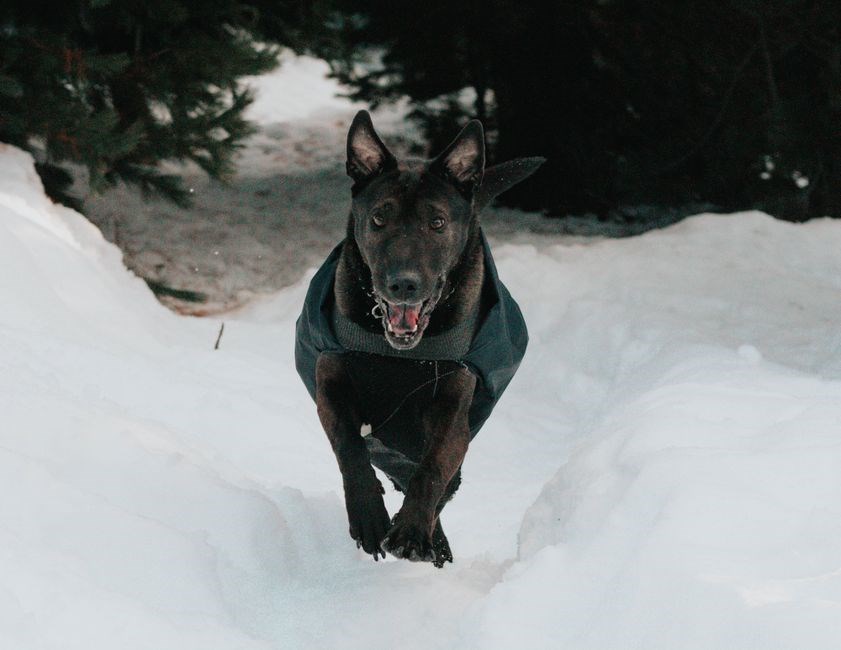
Select a pattern that matches your dog’s size and activity level․ Use the size chart in the PDF, measure chest, neck, and length, and choose fabric that suits weather and comfort․ Adjust seam allowances for a snug fit․ all 4
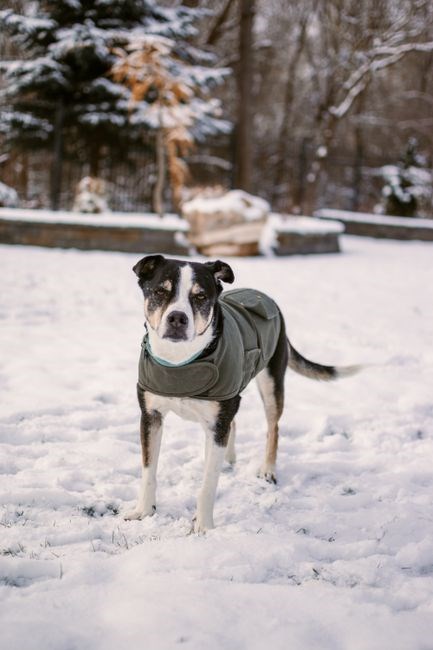
Measuring Your Dog for Accurate Fit
Measuring your dog is the first step toward a well‑fitted coat․ Begin by measuring the chest circumference: place a flexible tape just behind the front legs, keeping it snug but not tight․ Next, measure the neck width at the widest point to set the collar size․ The length measurement runs from the base of the skull to the base of the tail, ensuring the coat covers the back without excess fabric․ For patterns with a hood, measure the head circumference at the widest part of the skull․ If your dog has a long snout, add an extra inch to the front panel for comfort․ Always add a ½‑inch seam allowance to each measurement; this gives the pattern a little extra room․ Use a washable tape or a piece of string marked with a pencil if you don’t have a tape measure․ Once you have all numbers, compare them to the pattern’s size chart—many free PDF patterns, such as those from Closet Core or the Aberdeen Dog Coat, provide a chart that matches chest, neck, and length to a specific size․ If your dog falls between sizes, choose the larger size and adjust the pattern by trimming or adding fabric as needed․ Test the fit on a piece of fabric before cutting into your chosen material; this helps catch miscalculations and keeps your pup warm comfortable in winter andThis approach ensures a perfect fit and a stylish look for your dog․ It saves time and money․ Quick and easy․!
Selecting Fabric Types and Materials
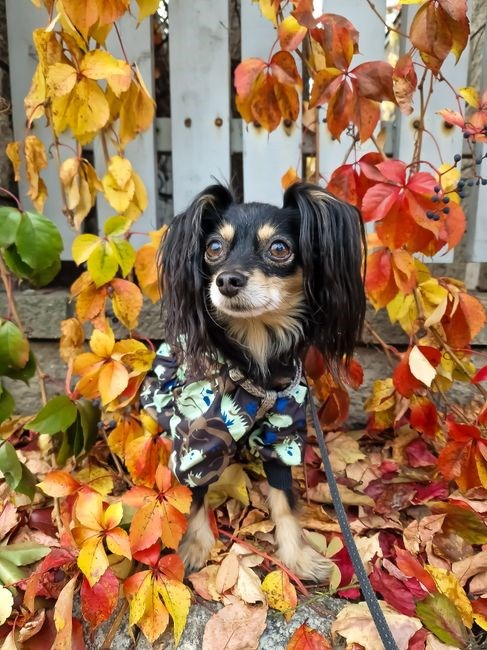
Choosing the right fabric for a free printable dog coat pattern PDF is essential for comfort, durability, and style․ Lightweight cotton blends, such as cotton‑polyester mixes, are ideal for casual summer jackets because they breathe and are easy to wash․ For colder months, a fleece or a quilted polyester lining adds warmth without bulk․ Waterproof or water‑repellent fabrics like nylon or polyester with a DWR finish protect against rain and snow, making them perfect for outdoor adventures․ If your dog has sensitive skin, opt for natural fibers such as bamboo or organic cotton, which reduce irritation are breathable․ A mix of a sturdy outer layer and a soft inner lining ensures the coat stays intact while staying comfortable․ Many free PDF patterns, including those from Closet Core and Aberdeen, provide fabric recommendations; follow their suggested weight and finish to match the pattern’s design․ When selecting fabric, consider the dog’s activity level: a durable canvas works for active breeds, whereas a softer jersey works for relaxed pets․ Always test a small swatch for colorfastness and stretch before cutting the full pattern․ Finally, add a seam allowance of ½ inch and use matching thread color to keep the coat neat and professional․ It reduces waste more!!
Printing and Assembly Tips
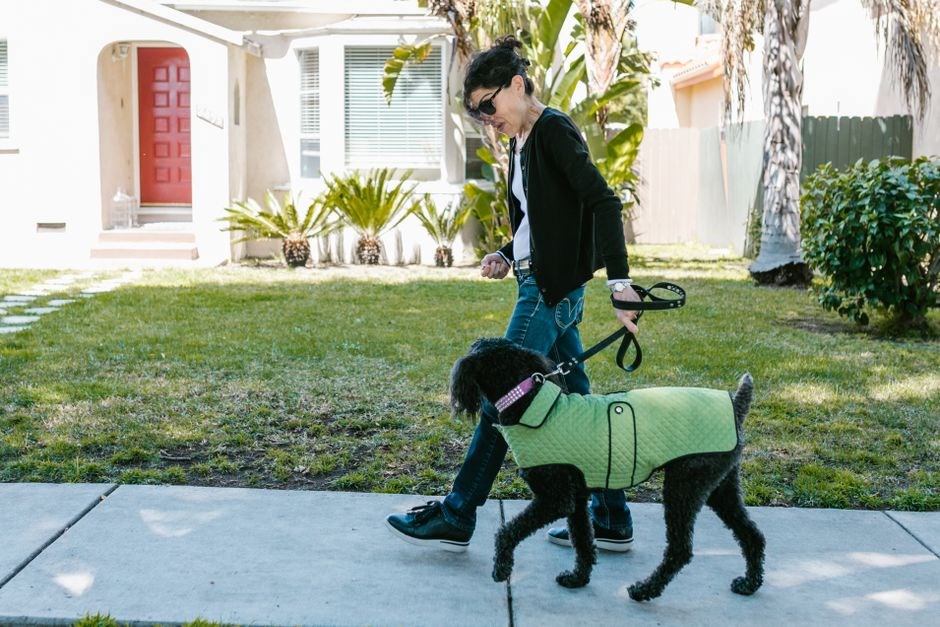
Print the PDF on high‑resolution paper, ensuring margins match the pattern’s scale․ Use a laser printer for lines․ Cut pieces on a flat surface, double‑check seam allowances․ Sew with a medium needle, matching thread․ Finish edges with a serger or overlock for durability․!!
Printing Tips for Clear Pattern Layout
When printing a free dog coat pattern PDF, start by selecting a high‑resolution PDF viewer that preserves scale․ Open the document in Adobe Acrobat or a similar program and choose “Print” → “Page Scaling: None” to avoid automatic resizing․ Set the paper size to the exact dimensions required (usually 8․5”×11” or A4) and enable “Borderless Printing” if your printer supports it; this eliminates white margins that can shift pattern pieces․ Use a high‑quality printer—laser printers typically yield sharper lines than inkjet models, especially for fine detail․ Print on thick, smooth paper or cardstock to prevent the pattern from curling or tearing during cutting․ Before cutting, run a test print on regular paper to confirm that all measurements and seam lines align correctly; if the test shows any distortion, adjust the PDF’s scale in the print dialog until the printed size matches the original․ Keep the original PDF file in a folder labeled “Pattern Files” for easy reference, and always double‑check that the orientation (portrait vs․ landscape) matches the layout in the PDF․ Finally, after printing, use a ruler and a sharp craft knife to trim the edges precisely, ensuring a clean, professional look for your dog coat project․ By following these printing guidelines, you’ll get crisp, accurate pattern pieces that fit your dog perfectly, saving time and material while keeping coat for warm season ․
Customization and Troubleshooting
Adjust fit by trimming sleeves or adding extra fabric․ Swap Velcro for snaps if preferred․ If seams gape, reinforce with double‑stitching․ For uneven cuts, use a ruler and a rotary cutter․ Keep a spare pattern sheet for quick fixes Add a pocket for treats or a collar loop now!
Adding Velcro or Hook-and-Loop Fasteners
When adapting a free printable dog coat PDF, the choice of fastening can dramatically affect both comfort and ease of use․ Velcro strips are a popular option because they allow quick removal and secure closure․ For a lightweight jacket, cut a narrow strip (about 1․5 cm wide) from a soft, durable fabric or purchase ready‑made hook‑and‑loop tape․ Attach the hook side to the front panel of the coat, aligning it with the collar or chest area․ The loop side goes on the corresponding panel, ensuring the tape is centered and flat to prevent snagging․ When sewing, use a 2‑mm stitch length to avoid puckering․ If you prefer a more traditional look, hook‑and‑loop fasteners can be hidden behind a small flap or a decorative button․ For larger dogs, consider adding a second fastening line along the back to distribute tension evenly․ Always test the closure before cutting the final pieces: slide the fastener open and closed several times to confirm it holds weight and does not irritate the dog’s skin․ If the dog has a sensitive coat, opt for a softer, hypoallergenic loop material․ Additionally, you can reinforce the fastener area with a small piece of elastic or a thin strip of fabric to prevent wear over time․ Finally, remember to trim any excess tape after sewing to keep the coat neat and reduce bulk․ This simple adjustment makes the coat both functional and comfortable for your pup thrive․ Enjoy crafting, pup thrive now!
Common Challenges and How to Resolve Them
When turning a free printable dog coat PDF into a finished garment, several pitfalls can arise․ The first is pattern scaling: many PDFs assume a standard size, but dogs vary in shape․ If the pattern is too large, the coat will be loose; too small, it will restrict movement․ To fix this, use the provided sizing chart, measure your dog’s chest, length, and neck, and adjust the pattern by a few millimeters on each side․ Shrinkage is another frequent issue․ Natural fibers like cotton or flannel can contract after washing, causing a snug fit․ Pre‑wash the fabric before cutting, or add a 2‑cm seam allowance to accommodate shrinkage․ Misaligned seams can lead to a crooked look or uneven weight distribution․ Dogs that move a lot may cause the coat to shift or pull at the seams․ Adding a small elastic band around the waist or using a double‑layered panel can help keep the coat in place․ Finally, color bleeding or fabric tearing during cutting can ruin the finished product․ Use a sharp rotary cutter, a cutting mat, and a ruler to ensure clean cuts․ If the fabric is slippery, lay a piece of non‑slip fabric underneath to keep it steady․ By anticipating these common challenges and applying the suggested fixes, you can transform a simple PDF into a durable, comfortable, and well‑fitted coat that your dog will love Remember to trim excess tape for a neat finish