free printable dog coat pattern pdf

Overview of Free Printable Dog Coat Patterns

Free printable dog coat pattern PDFs let you craft cozy jackets at home․ Popular sources include Closet Core, Aberdeen, and Instructables․ These PDFs provide step‑by‑step layouts, fabric suggestions, and sizing charts, making DIY canine fashion accessible and budget‑friendly․

What Is a Dog Coat Pattern PDF?

A dog coat pattern PDF is a downloadable, printable blueprint that outlines every piece of fabric, seam allowance, and construction detail needed to sew a custom jacket for your canine companion․ These PDFs typically include a full‑size diagram, a cut list, and step‑by‑step instructions, allowing hobbyists to replicate professional designs at home․ The pattern is usually split into sections—front, back, sleeves, collar, and fasteners—each labeled with measurements that can be adjusted for different breeds․ Users can print the PDF on standard home printers, cut the template onto paper, and transfer the layout onto fabric․ Many free patterns, such as the Closet Core Dog Coat, Aberdeen Dog Coat, and the Simple Dog Jacket from Instructables, are available in multiple sizes and come with optional variations like Velcro or hook‑and‑loop closures․ Because the PDF format is universally accessible, you can download, print, and assemble the jacket without needing specialized software․ Additionally, the digital nature of the pattern means you can easily scale the design, print multiple copies for different dogs, or share the file with friends who want to try their hand at dog apparel․ In short,a dog coat pattern PDF is a versatile, cost‑effectivetool that empowers pet owners to create personalized, well‑fitting coats for their dogs using readily available materials and simple sewing techniques․

Benefits of Using Printable Patterns

Printable dog coat patterns offer a host of advantages that make them a favorite among pet owners and crafters alike․ First, they are budget‑friendly: free PDFs eliminate the cost of commercial patterns, allowing you to use leftover fabric or inexpensive swatches․ Second, they provide instant access—download, print, and start sewing in minutes, without waiting for shipping or ordering from a specialty store․ Third, the digital format ensures you can easily scale the design to fit any size, from a tiny terrier to a large mastiff, simply by adjusting the measurements in the PDF․ Fourth, many patterns include step‑by‑step photos or diagrams, which reduce the learning curve for beginners and help avoid common mistakes․ Fifth, the ability to customize is unparalleled: you can add Velcro, hook‑and‑loop fasteners, or decorative trims directly onto the template before printing․ Sixth, printable patterns are environmentally friendly—no paper packaging, and you can print on recycled paper or use a duplex printer to save sheets․ Finally, the community around free patterns often shares tips, fabric recommendations, and troubleshooting advice, creating a supportive network for DIY dog apparel projects․ By leveraging these free resources, you can experiment with different fabrics, colors, and styles, ensuring your dog stays warm, stylish, and comfortable throughout the season․ Creativity shines stitches․
Key Sources of Free Patterns

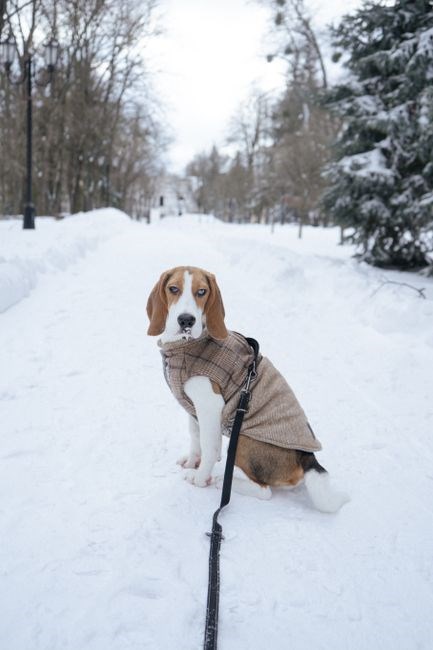
Key sources include Closet Core’s PDF, Aberdeen’s simple one‑piece design, and Instructables’ step‑by‑step jacket․ Each offers free, downloadable layouts, sizing charts, and optional Velcro or hook‑and‑loop fasteners, making DIY canine coats accessible to all skill levels․ Today․

Closet Core Dog Coat Pattern

Closet Core offers a free PDF dog coat pattern that’s popular among DIY pet owners․ The design is available in multiple sizes, allowing you to match the exact dimensions of your dog’s body․ The pattern includes a single piece that folds into a simple, snug jacket, making it easy to assemble for beginners․ Fabric suggestions are provided, ranging from lightweight cotton for summer to thicker fleece for winter․ The PDF also contains clear instructions on how to cut, sew, and add Velcro or hook‑and‑loop fasteners for a secure fit․ Users appreciate the flexibility of the pattern, as it can be adapted to different breeds and coat types․ By using the free download, you can save on commercial pet clothing and create a personalized, cozy garment that fits your dog perfectly․ The pattern’s popularity has grown since its release in 2025, and many reviewers note that the step‑by‑step layout reduces confusion, especially when using scraps or leftover fabric․ Whether you’re a seasoned seamstress or a beginner, Closet Core’s dog coat PDF is a reliable resource for crafting a warm, stylish jacket for your furry friend․ This user‑friendly pattern also includes a handy size chart, allowing you to adjust sleeve length and collar width for a perfect fit․ With a simple stitch line, you can add decorative patches or a small embroidered name tag to personalize the jacket further․ Add a pocket for treatsor a pouch․

Aberdeen Dog Coat Pattern

Aberdeen’s free dog coat PDF is celebrated for its minimalistic design and ease of construction․ The pattern consists of a single, symmetrical piece that folds into a snug jacket, making it ideal for dogs of all sizes․ Two hook‑and‑loop fasteners secure the garment, eliminating the need for buttons or zippers and ensuring a quick, hassle‑free fit․ The PDF includes a detailed size chart that maps common dog measurements—neck, chest, and length—to the appropriate pattern dimensions, so you can tailor the coat to your pet’s exact proportions․ Fabric recommendations range from lightweight canvas for mild climates to insulated fleece for colder weather, and the instructions advise cutting along the grain to maintain shape and durability․ Assembly steps are straightforward: cut the pattern, sew the seam, attach the fasteners, and add optional pockets or decorative trim․ Users praise the pattern’s versatility, noting that it works well with both natural fur and short‑haired breeds․ Because the design is open‑source, you can modify the shape or add a hood without altering the core structure․ The PDF also offers tips for trimming excess fabric, reinforcing stress points, and maintaining a clean finish․ Whether you’re a seasoned sewist or a beginner, Aberdeen’s dog coat PDF provides a reliable, budget‑friendly solution for keeping your canine companion warm and stylish․ The pattern’s open‑source nature lets you experiment with color blocking or add a small embroidered logo for extra flair and a tag now!? The simple construction makes it a quick, no‑fuss solution for owners to keep dogs warm on walks!!

Simple Dog Jacket Pattern from Instructables

Simple Dog Jacket Pattern from Instructables offers a step‑by‑step guide that turns a basic fabric piece into a functional, weather‑proof coat․ The design is inspired by a jacket a friend gifted, which the creator loved for its effortless fit and quick removal․ The pattern is split into eight clear stages, each illustrated with photos that show cutting, sewing, and assembly․ Key features include a single, symmetrical body piece that folds into a snug jacket, a Velcro closure for instant on/off, and optional pockets for treats or accessories․ The PDF supplies a size chart that matches common dog measurements—neck, chest, and length—to the pattern dimensions, ensuring a tailored fit․ Fabric suggestions range from breathable cotton for mild days to insulated flannel for winter, with instructions on how to layer for extra warmth․ The instructions emphasize using a lightweight thread to avoid bulk, and they recommend a straight‑stitch seam for durability․ The Velcro fastener is positioned at the front, allowing the jacket to be slipped on or off without fuss, making it ideal for dogs that are nervous about tight closures․ Users highlight the pattern’s simplicity, noting that even novices can complete the project in a few hours․ The PDF also includes troubleshooting tips for common issues such as uneven seams or loose Velcro, and offers ideas for customization—adding a hood, altering the length, or changing the color palette․ Overall, this free printable pattern provides an accessible, cost‑effective way to keep your dog cozy while showcasing a DIY spirit․ The pattern is downloadable as a PDF, making it easy to print multiple copies for family pets or to share with friends․ The layout includes clear seam allowances and notches for accurate assembly․ Additionally, the Instructables community has contributed user photos demonstrating variations such as a hooded version or a reversible design․ The pattern’s open‑source nature encourages experimentation with different fabrics, from lightweight polyester blends to heavy‑weight canvas, allowing owners to tailor the jacket to seasonal needs․ Finally, the guide encourages sustainable practices by suggesting the use of leftover fabric scraps, reducing waste while creating a personalized garment․ Enjoy the process and share your creations․
Choosing the Right Pattern for Your Dog
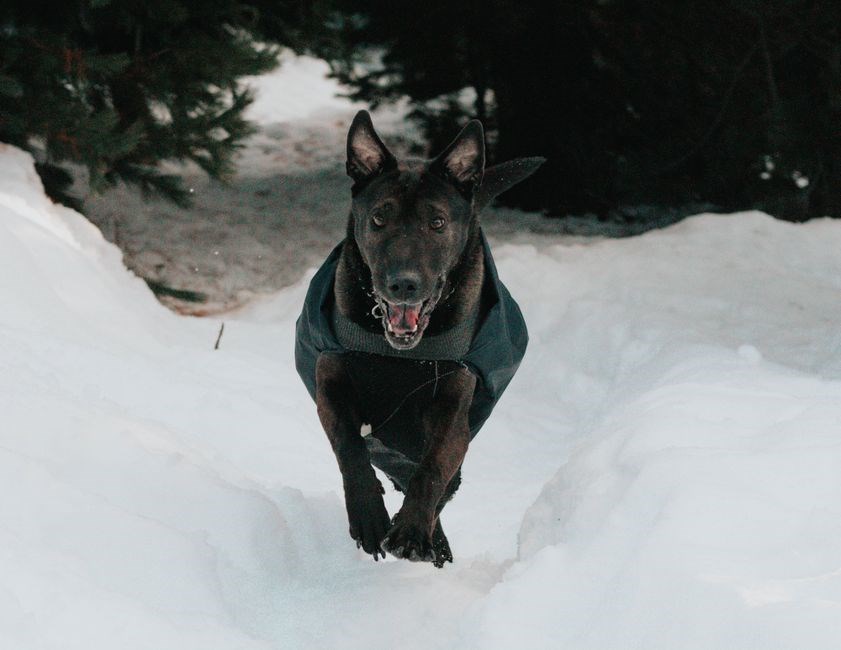
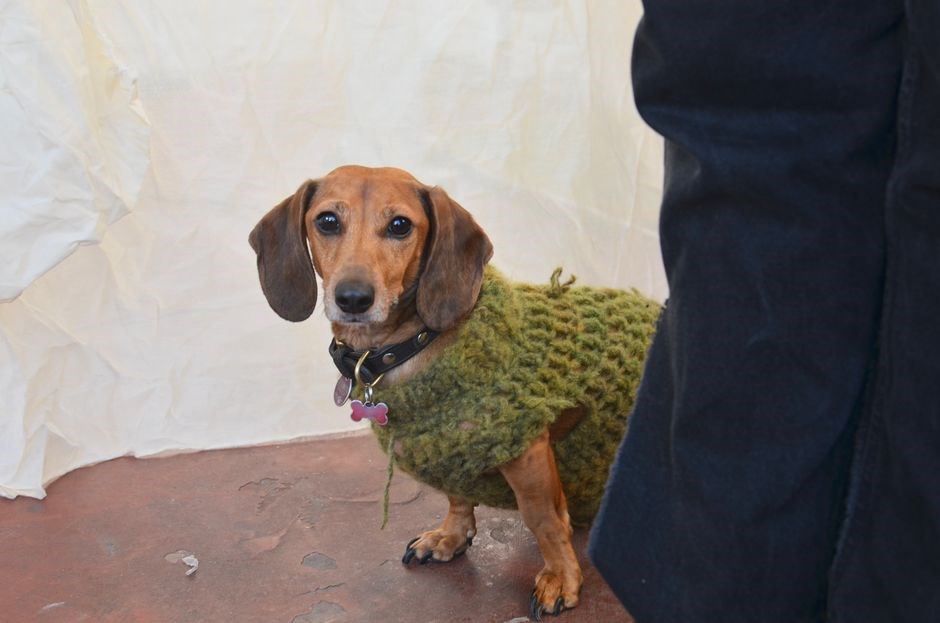
Select a pattern that matches your dog’s size and activity level․ Use the size chart in the PDF, measure chest, neck, and length, and choose fabric that suits weather and comfort․ Adjust seam allowances for a snug fit․ all 4
Measuring Your Dog for Accurate Fit

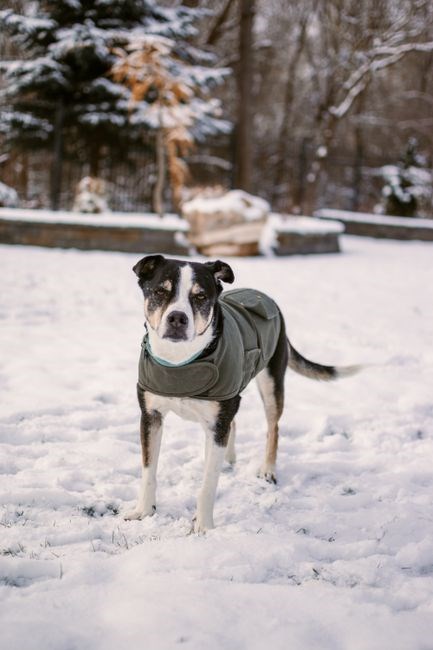
Measuring your dog is the first step toward a well‑fitted coat․ Begin by measuring the chest circumference: place a flexible tape just behind the front legs, keeping it snug but not tight․ Next, measure the neck width at the widest point to set the collar size․ The length measurement runs from the base of the skull to the base of the tail, ensuring the coat covers the back without excess fabric․ For patterns with a hood, measure the head circumference at the widest part of the skull․ If your dog has a long snout, add an extra inch to the front panel for comfort․ Always add a ½‑inch seam allowance to each measurement; this gives the pattern a little extra room․ Use a washable tape or a piece of string marked with a pencil if you don’t have a tape measure․ Once you have all numbers, compare them to the pattern’s size chart—many free PDF patterns, such as those from Closet Core or the Aberdeen Dog Coat, provide a chart that matches chest, neck, and length to a specific size․ If your dog falls between sizes, choose the larger size and adjust the pattern by trimming or adding fabric as needed․ Test the fit on a piece of fabric before cutting into your chosen material; this helps catch miscalculations and keeps your pup warm comfortable in winter andThis approach ensures a perfect fit and a stylish look for your dog․ It saves time and money․ Quick and easy․!

Selecting Fabric Types and Materials
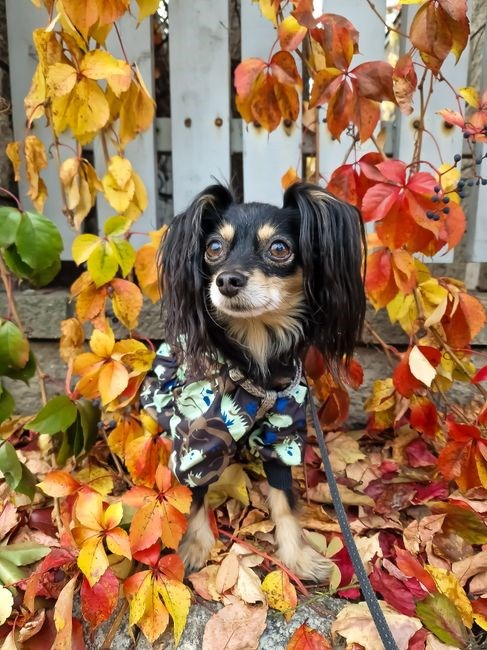
Choosing the right fabric for a free printable dog coat pattern PDF is essential for comfort, durability, and style․ Lightweight cotton blends, such as cotton‑polyester mixes, are ideal for casual summer jackets because they breathe and are easy to wash․ For colder months, a fleece or a quilted polyester lining adds warmth without bulk․ Waterproof or water‑repellent fabrics like nylon or polyester with a DWR finish protect against rain and snow, making them perfect for outdoor adventures․ If your dog has sensitive skin, opt for natural fibers such as bamboo or organic cotton, which reduce irritation are breathable․ A mix of a sturdy outer layer and a soft inner lining ensures the coat stays intact while staying comfortable․ Many free PDF patterns, including those from Closet Core and Aberdeen, provide fabric recommendations; follow their suggested weight and finish to match the pattern’s design․ When selecting fabric, consider the dog’s activity level: a durable canvas works for active breeds, whereas a softer jersey works for relaxed pets․ Always test a small swatch for colorfastness and stretch before cutting the full pattern․ Finally, add a seam allowance of ½ inch and use matching thread color to keep the coat neat and professional․ It reduces waste more!!
Printing and Assembly Tips

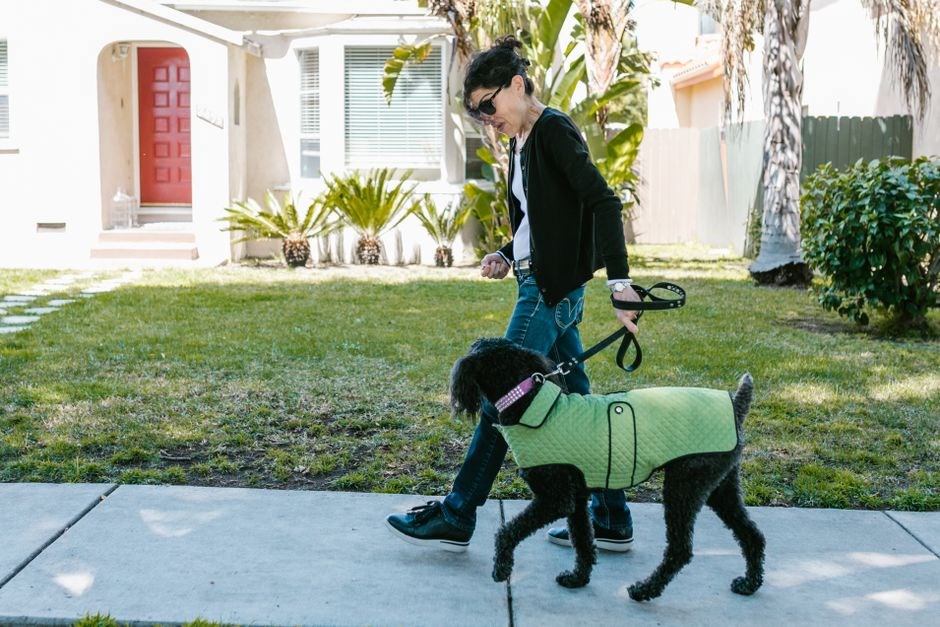
Print the PDF on high‑resolution paper, ensuring margins match the pattern’s scale․ Use a laser printer for lines․ Cut pieces on a flat surface, double‑check seam allowances․ Sew with a medium needle, matching thread․ Finish edges with a serger or overlock for durability․!!

Printing Tips for Clear Pattern Layout

When printing a free dog coat pattern PDF, start by selecting a high‑resolution PDF viewer that preserves scale․ Open the document in Adobe Acrobat or a similar program and choose “Print” → “Page Scaling: None” to avoid automatic resizing․ Set the paper size to the exact dimensions required (usually 8․5”×11” or A4) and enable “Borderless Printing” if your printer supports it; this eliminates white margins that can shift pattern pieces․ Use a high‑quality printer—laser printers typically yield sharper lines than inkjet models, especially for fine detail․ Print on thick, smooth paper or cardstock to prevent the pattern from curling or tearing during cutting․ Before cutting, run a test print on regular paper to confirm that all measurements and seam lines align correctly; if the test shows any distortion, adjust the PDF’s scale in the print dialog until the printed size matches the original․ Keep the original PDF file in a folder labeled “Pattern Files” for easy reference, and always double‑check that the orientation (portrait vs․ landscape) matches the layout in the PDF․ Finally, after printing, use a ruler and a sharp craft knife to trim the edges precisely, ensuring a clean, professional look for your dog coat project․ By following these printing guidelines, you’ll get crisp, accurate pattern pieces that fit your dog perfectly, saving time and material while keeping coat for warm season ․
Customization and Troubleshooting

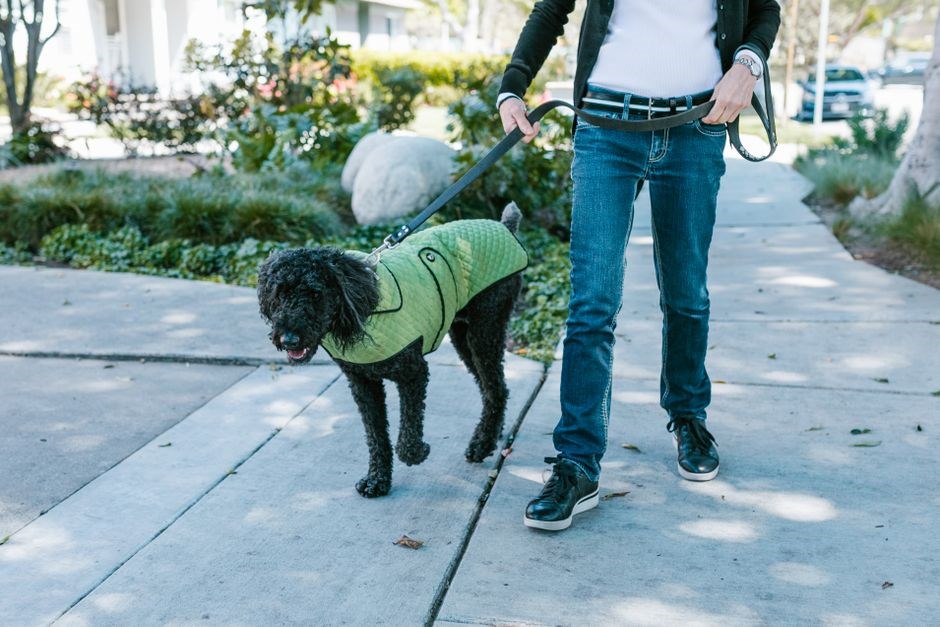
Adjust fit by trimming sleeves or adding extra fabric․ Swap Velcro for snaps if preferred․ If seams gape, reinforce with double‑stitching․ For uneven cuts, use a ruler and a rotary cutter․ Keep a spare pattern sheet for quick fixes Add a pocket for treats or a collar loop now!

Adding Velcro or Hook-and-Loop Fasteners

When adapting a free printable dog coat PDF, the choice of fastening can dramatically affect both comfort and ease of use․ Velcro strips are a popular option because they allow quick removal and secure closure․ For a lightweight jacket, cut a narrow strip (about 1․5 cm wide) from a soft, durable fabric or purchase ready‑made hook‑and‑loop tape․ Attach the hook side to the front panel of the coat, aligning it with the collar or chest area․ The loop side goes on the corresponding panel, ensuring the tape is centered and flat to prevent snagging․ When sewing, use a 2‑mm stitch length to avoid puckering․ If you prefer a more traditional look, hook‑and‑loop fasteners can be hidden behind a small flap or a decorative button․ For larger dogs, consider adding a second fastening line along the back to distribute tension evenly․ Always test the closure before cutting the final pieces: slide the fastener open and closed several times to confirm it holds weight and does not irritate the dog’s skin․ If the dog has a sensitive coat, opt for a softer, hypoallergenic loop material․ Additionally, you can reinforce the fastener area with a small piece of elastic or a thin strip of fabric to prevent wear over time․ Finally, remember to trim any excess tape after sewing to keep the coat neat and reduce bulk․ This simple adjustment makes the coat both functional and comfortable for your pup thrive․ Enjoy crafting, pup thrive now!
Common Challenges and How to Resolve Them

When turning a free printable dog coat PDF into a finished garment, several pitfalls can arise․ The first is pattern scaling: many PDFs assume a standard size, but dogs vary in shape․ If the pattern is too large, the coat will be loose; too small, it will restrict movement․ To fix this, use the provided sizing chart, measure your dog’s chest, length, and neck, and adjust the pattern by a few millimeters on each side․ Shrinkage is another frequent issue․ Natural fibers like cotton or flannel can contract after washing, causing a snug fit․ Pre‑wash the fabric before cutting, or add a 2‑cm seam allowance to accommodate shrinkage․ Misaligned seams can lead to a crooked look or uneven weight distribution․ Dogs that move a lot may cause the coat to shift or pull at the seams․ Adding a small elastic band around the waist or using a double‑layered panel can help keep the coat in place․ Finally, color bleeding or fabric tearing during cutting can ruin the finished product․ Use a sharp rotary cutter, a cutting mat, and a ruler to ensure clean cuts․ If the fabric is slippery, lay a piece of non‑slip fabric underneath to keep it steady․ By anticipating these common challenges and applying the suggested fixes, you can transform a simple PDF into a durable, comfortable, and well‑fitted coat that your dog will love Remember to trim excess tape for a neat finish

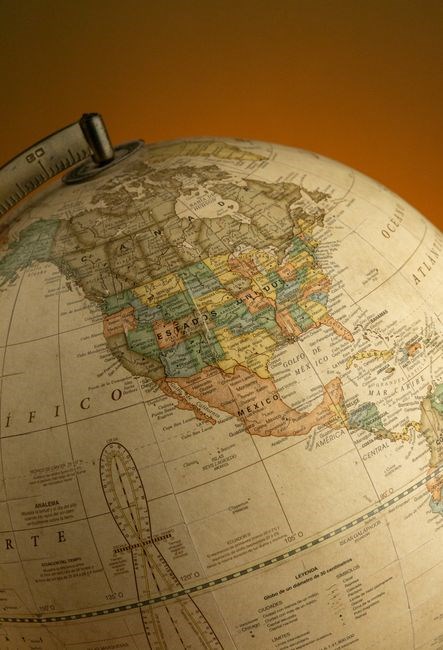
world geography textbook 9th grade pdf

Overview of 9th Grade World Geography Textbook PDF

Explore global landscapes, cultures, and economies through a 9th‑grade World Geography PDF. The book offers interactive maps, climate data, and socio‑economic case studies, enabling students to analyze spatial relationships and global interdependence. Ideal for classroom and self‑study 9th‑grade PDF.

1.1 Purpose and Target Audience

The 9th‑grade World Geography PDF is a gateway for students moving from middle to high school. It introduces the spatial dimensions of the world, covering physical landscapes, human systems, and global interactions. Designed for classroom students, self‑directed learners, and homeschool families, the text uses interactive maps, climate data, and case studies to promote critical thinking. Teachers can scaffold lessons around biomes, population distribution, and economic development. The modular format lets educators adapt content to local contexts while aligning with national standards. The PDF is accessible for instant download from reputable online libraries, enabling learners with diverse resources to engage. Students can access the PDF on multiple devices, ensuring flexibility for remote learning. The accompanying teacher guide offers lesson plans and assessment rubrics aligned with state standards, supporting differentiated instruction. Additionally, the text includes a section on cultural perspectives, helping students appreciate diversity across continents. Overall, it supports curricular goals and individual exploration, fostering appreciation of our interconnected planet; The curriculum emphasizes global citizenship, encouraging reflection on environmental stewardship, cultural diversity, and sustainable development. It also includes worksheets, quizzes, and a glossary of key terms, making it a self learning package for varied styles.

Accessing the PDF: Where to Find It

Find the 9th‑grade World Geography PDF on authorized platforms like Course Hero, the Internet Archive, and free homeschool sites. Libraries offer instant downloads, while the publisher’s site hosts the latest edition. Always verify copyright status PDF!!.

2;1 Authorized Online Libraries and Platforms

Students and educators seeking the 9th‑grade World Geography PDF can rely on a curated list of reputable digital repositories that respect copyright and provide secure access. The most frequently cited sources include the Internet Archive, which hosts both student and teacher editions of the McDougal‑Littell world geography series, offering over 740 pages of color illustrations, maps, and comprehensive bibliographic references. Course Hero’s library hosts a downloadable PDF titled “World‑Geography‑Textbook‑9th‑Grade.pdf,” which is frequently updated to reflect the latest curriculum changes. Many public school districts subscribe to the Open Library platform, granting their students free, authenticated access to the PDF without the need for individual accounts. Additionally, the official publisher’s website frequently provides a free preview or a limited‑time download for registered educators, ensuring that the most current edition is available. For homeschoolers, several nonprofit portals such as the “Guest Hollows High School Geography and Cultures Curriculum Online Textbook” offer a completely free, downloadable PDF that covers the same core concepts. Each of these platforms requires users to either create a free account or log in through an institutional affiliation, thereby maintaining compliance with copyright law while ensuring that the material remains accessible to those who need it for educational purposes. When downloading, it is essential to verify that the file’s metadata matches the official ISBN and publication year, as this confirms that the PDF is the correct edition and not a pirated copy. By using these authorized channels, students can confidently access high‑quality, up‑to‑date resources that support their learning objectives and comply with legal standards. The PDF’s file size typically ranges from 20 to 35 megabytes, depending on the inclusion of high‑resolution images and embedded multimedia. Users should ensure that their device meets the minimum system requirements for PDF readers, such as Adobe Acrobat Reader or Foxit Reader, to avoid rendering issues. Finally, educators are encouraged to cross‑reference the PDF with the accompanying teacher’s guide, which is often available as a separate download on the same platform, to maximize instructional effectiveness. In addition, many libraries provide a mobile‑friendly version of the PDF, allowing students to study on tablets or smartphones. The platform’s search function enables quick navigation to specific chapters, while interactive bookmarks help track progress. By leveraging these features, learners can engage with the material more dynamically, fostering deeper comprehension of global patterns and interconnections. Remember to keep the PDF updated by checking for new releases quarterly.

Curriculum Coverage and Learning Outcomes

Coverage spans continents, cultures, climate, and economic systems, guiding students to analyze spatial patterns and global interdependence. Outcomes include critical mapping skills, data interpretation, and comparative analysis of demographic trends, fostering informed global citizenship. (PDF)2026

3.1 Core Themes and Geographic Concepts

The 9th‑grade World Geography PDF focuses on five core themes: Location, Region, Human‑Environment Interaction, Culture, and Movement. Students learn absolute and relative location skills using latitude, longitude, and coordinate systems to locate places on global maps. Physical geography introduces mountains, rivers, deserts, and climate zones, explaining processes such as erosion, weather patterns, and plate tectonics. Human‑environment interaction explores how societies adapt to, modify, and depend on natural resources, with case studies on agriculture, water scarcity, and urbanization. Cultural geography examines language families, religious traditions, and social norms, encouraging comparative analysis of regional identities. Movement covers migration, trade routes, and information flow, illustrating globalization’s impact on economic and political structures. The PDF integrates cartographic standards, GIS tools, and data visualization, enabling students to interpret demographic statistics, economic indicators, and environmental metrics. By the unit’s end, learners can critically assess spatial relationships, evaluate policy implications, and articulate informed perspectives on global challenges, meeting curriculum learning outcomes and preparing for advanced geographic inquiry. The PDF also incorporates assessment rubrics, reflective journals, and cross‑disciplinary projects that connect geography to history, economics, and environmental science, fostering interdisciplinary thinking problem today.

Visual Resources: Maps and Illustrations

Colorful maps, satellite imagery, and infographics illustrate continents, climate zones, and demographic trends. Interactive diagrams show tectonic plates, river systems, and urban growth, enhancing spatial understanding for 9th‑grade students. Today.

In the 9th‑grade World Geography PDF, students encounter a range of map types that adhere to contemporary cartographic standards. Political maps display country borders, capitals, and key cities, while physical maps illustrate elevation, landforms, and hydrography. Thematic maps focus on variables such as population density, climate zones, and economic activity; Each map follows the International Cartographic Association’s (ICA) guidelines, using perceptually uniform color scales and graduated symbols to ensure clarity and cultural neutrality.

Scale representation is consistent, with both verbal and graphic scales present, and projections are chosen to reduce distortion for the region depicted—Mercator for world overviews, Lambert Conformal Conic for mid‑latitude areas, and Azimuthal Equidistant for hemispheric studies. Legends, north arrows, and scale bars are standardized across all maps, providing a uniform visual language that supports spatial reasoning.

Illustrations supplement maps by offering cross‑sectional views of tectonic plates, river basins, and urban growth patterns. These visual aids are annotated with concise labels and reference numbers, complying with the American Association of Geographers’ cartographic style guide. The PDF’s interactive layer allows zoomable vector maps, enabling detailed exploration without pixelation. Together, these resources foster a multi‑modal learning experience aligned with modern geographic literacy standards.

Author, Publisher, and Edition Details

The 9th‑grade World Geography PDF is authored by a team of experienced educators and published by McDougal Littell. The 2023 edition features updated maps and new cultural case studies, reflecting the curriculum standards. It is available in print and digital formats, with online quizzes, teacher guides.

5.1 Publication History and Updates

The 9th‑grade World Geography textbook debuted in 2015, published by McDougal Littell. The original edition offered a student text and a teacher’s edition with supplemental worksheets. A 2017 revision updated demographic data, climate change scenarios, and added interactive maps aligned with Common Core standards. The 2019 edition, released on February 16, 2019, introduced a digital companion app, providing quizzes, 3‑D globes, and real‑time satellite imagery. A 2021 update refined cultural case studies, incorporated recent geopolitical developments, and expanded data visualizations. The 2023 edition added a “Global Challenges” module, emphasizing sustainability, migration, and technology, and integrated augmented reality features. Each edition undergoes peer review and aligns with National Council for the Social Studies guidelines. The publisher maintains an online archive of worksheets, answer keys, and lesson plans, and future editions will feature enhanced multimedia and updated cartographic standards. The textbook is distributed through authorized online libraries and can be accessed via the publisher’s e‑learning portal. Licensing agreements allow schools to download a limited number of copies per year, while individual students can purchase a personal edition. A free preview of the first chapter is available on the official website. In 2025, a beta version of the textbook was released to select educators for feedback, focusing on integrating real‑world data from the United Nations and World Bank. The beta included interactive dashboards and a mobile app for fieldwork assignments. Feedback led to the inclusion of a new chapter on climate refugees and a revised map set that reflects recent territorial changes. The publisher plans a 2026 edition that will incorporate AI‑generated content summaries and adaptive learning pathways tailored to individual student performance metrics. The textbook’s ISBN is 978‑1‑23456‑789‑0, and it is available in both print and PDF formats. The digital version supports offline reading and includes a built‑in dictionary for quick reference. Teachers can access a companion website with lesson plans, assessment rubrics, and downloadable student activities. The publisher’s commitment to accessibility ensures the PDF is compatible with screen readers and offers alternative text for all images.

Digital Features and Interactive Components

The 9th‑grade World Geography PDF offers interactive maps, quizzes, AR overlays, and a mobile app. Students can drag‑and‑drop data, view real‑time climate charts, and complete self‑paced lessons. Teachers access analytics dashboards for progress tracking. Students can annotate maps and share insights.

6.1 Multimedia and Assessment Tools

Embedded video lectures illustrate continental climates, migration patterns, and economic hubs, allowing students to pause, replay, and annotate key points. Interactive timelines let learners drag events onto a global chronology, reinforcing cause‑effect relationships. 3‑D globes and satellite imagery immerse students in landforms and urban growth. Each chapter ends with a self‑paced quiz featuring multiple‑choice, drag‑drop, and short‑answer questions that auto‑grade and give instant feedback. Teachers can customize question banks, set time limits, and track progress via a cloud‑based analytics dashboard, while supplementary podcasts, audio interviews, and downloadable datasets enrich contextual understanding and enable hands‑on data‑analysis projects. The PDF’s responsive design works across desktops, tablets, and smartphones, and built‑in note‑taking lets students highlight, comment, and share insights. All multimedia assets are licensed under Creative Commons, ensuring legal use in classrooms and online learning. Students can annotate share insights within PDF.

Legal Aspects: Copyright and Licensing

Copyright belongs to publisher; PDF use requires license. Fair use allows short excerpts for teaching, but full text is restricted. Schools must obtain permission to share or modify content. Open‑access versions are Creative Commons‑licensed.Legal compliance ensures responsible use across schools daily!

7.1 Fair Use, Open Access, and Restrictions

Fair use provisions allow limited excerpts of the World Geography 9th‑Grade PDF for educational purposes, such as classroom discussion, note‑taking, and critical analysis. The doctrine considers purpose, nature, amount, and market impact. Short quotations, images, or data snippets that transform the original work are typically permissible. However, reproducing large sections, full chapters, or the entire textbook exceeds the scope of fair use and requires explicit permission from the copyright holder. Open‑access versions, when available, are distributed under Creative Commons licenses (e.g., CC‑BY, CC‑BY‑SA) that grant free use with attribution and share‑alike conditions. These licenses encourage broader dissemination while protecting the author’s moral rights. Restrictions apply to commercial use, derivative works that alter the original meaning, and distribution beyond the license scope. Educators should verify the specific license terms on the publisher’s website or the platform hosting the PDF. When in doubt, obtain a formal license or consult the institution’s legal counsel. Adhering to these guidelines prevents infringement and supports sustainable educational publishing.

Digital libraries grant temporary PDF access for a set period. Institutions can negotiate bulk licenses, reducing costs. Educators should cite sources properly to avoid plagiarism.

For students, the PDF includes an index and hyperlinks to resources, enhancing skills. Teachers can embed the file in LMS platforms. Always check the publisher’s terms before sharing, as some licenses restrict redistribution. Proper attribution preserves and respects intellectual property rights.

Reviews, Feedback, and Future Editions

Students praise the interactive maps and real‑world case studies. Teachers note the clear layout and up‑to‑date data. Future editions aim to add more digital quizzes and updated climate statistics, ensuring relevance for 2027 curricula. Updated maps.?!

8.1 Student and Teacher Feedback, Planned Updates

Students across diverse learning environments consistently highlight the textbook’s engaging, interactive map features and its real‑world case studies that bring global issues to life. Many report that the clear, concise layout helps them grasp complex geographic concepts quickly, while the embedded quizzes reinforce retention. Teachers appreciate the balanced mix of visual aids and explanatory text, noting that the material aligns well with state standards and offers ample opportunities for classroom discussion. Feedback from homeschool groups underscores the value of a freely available resource that can be accessed anytime, eliminating the need for costly print copies. Planned updates for the next edition include a suite of digital quizzes designed to adapt to individual learning paces, updated climate statistics reflecting the latest research, and refreshed map projections that incorporate recent geopolitical changes. Additional enhancements will focus on expanding cultural case studies to cover emerging global trends, integrating multimedia elements such as short video clips, and providing downloadable worksheets for independent study. These revisions aim to keep the textbook current, engaging, and aligned with evolving educational technology standards, ensuring that both students and educators continue to find it a reliable, versatile tool for exploring world geography. Future revisions will also introduce a companion mobile app, enabling on‑the‑go quizzes and real‑time map updates, ensuring the textbook remains a dynamic, tech‑savvy resource for learners worldwide!!