
Welcome to A Parent’s Guide to Preventing Homosexuality‚ a compassionate resource offering hope and strategies for fostering healthy heterosexual identity in children․ This guide addresses concerns with empathy and provides practical advice for parents seeking to support their child’s development․
1․1 Purpose of the Guide
This guide aims to provide parents with strategies to foster a healthy heterosexual identity in their children․ Authors Joseph and Linda Ames Nicolosi address factors influencing sexual orientation‚ offering compassionate guidance․ The book combines personal stories and expert insights to help parents navigate concerns about homosexuality․ It emphasizes understanding childhood development and environmental influences․ The guide encourages proactive measures to support children in forming a strong‚ heterosexual identity․ By addressing myths and misconceptions‚ it equips parents with tools to create a nurturing environment for their child’s emotional and sexual well-being‚ ensuring they feel supported and guided throughout their journey․
1․2 Importance of Addressing Sexual Orientation
Addressing sexual orientation is crucial for parents seeking to support their child’s healthy development․ Early intervention can help prevent confusion and ensure a strong foundation for heterosexual identity․ Understanding the factors influencing sexual orientation empowers parents to create an environment that fosters emotional and psychological well-being․ By addressing this topic compassionately‚ parents can guide their children toward a confident and balanced sexual identity‚ reducing the risk of future challenges․ This proactive approach ensures children receive the support they need during critical developmental stages‚ promoting long-term happiness and stability in their personal lives․

Understanding Homosexuality
Understanding homosexuality is crucial for parents seeking to guide their children’s sexual identity․ This section explores its complexity‚ addressing myths and fostering clarity for concerned parents․
2․1 Definitions and Concepts
Homosexuality refers to romantic‚ emotional‚ and sexual attraction to individuals of the same gender․ Sexual orientation is a person’s pattern of emotional‚ romantic‚ and sexual attractions․ Understanding these concepts is key for parents․ Homosexuality differs from heterosexuality and bisexuality‚ and it is distinct from gender identity․ The guide explores these definitions to provide clarity․ It also examines the nature vs․ nurture debate‚ offering insights into how sexual orientation is shaped by genetic‚ hormonal‚ environmental‚ and psychological factors․ This understanding is crucial for addressing concerns about a child’s development․ Clear definitions help parents navigate complex emotions and decisions effectively․ Compassionate understanding is essential for fostering open dialogue and support․
2․2 Myths and Misconceptions
Many myths surround homosexuality‚ such as the belief that it is a choice or that it is caused by poor parenting․ These misconceptions can lead to confusion and fear․ Understanding the truth is essential for parents․ One common myth is that homosexuality is solely biological‚ but research suggests it involves a combination of genetic‚ hormonal‚ and environmental factors․ Another myth is that homosexuality can be “cured” through therapy‚ though major psychological associations oppose such practices․ Addressing these myths helps parents approach the topic with clarity and compassion․ Accurate information fosters understanding and supports healthy dialogue about sexual orientation;
2․3 Is Homosexuality Learned or Biological?
The question of whether homosexuality is learned or biological is complex and debated; Research suggests it is not purely one or the other but involves a mix of genetic‚ hormonal‚ and environmental factors․ While some studies indicate a potential biological basis‚ such as genetic predispositions or prenatal hormonal influences‚ others emphasize the role of upbringing‚ family dynamics‚ and cultural norms․ Parents should understand that sexual orientation is shaped by a combination of these elements‚ making it a deeply personal and multifaceted issue․ This understanding can help parents approach the topic with empathy and openness‚ fostering a supportive environment for their child’s development․

The Role of Parents in Shaping Sexual Identity
Parents play a crucial role in shaping their child’s sexual identity through guidance‚ support‚ and fostering a nurturing environment․ Their influence helps children develop a healthy understanding of their sexuality and gender‚ laying the foundation for a strong sense of self and identity․ By being proactive and compassionate‚ parents can address concerns early and provide the tools needed for their child to thrive emotionally and socially․
3․1 Parental Influence on a Child’s Development
Parents significantly influence their child’s development‚ particularly in shaping sexual identity․ Through guidance‚ support‚ and role modeling‚ parents help children navigate their understanding of gender and sexuality․ Early intervention‚ open communication‚ and fostering a nurturing environment are key strategies outlined in A Parent’s Guide to Preventing Homosexuality․ By addressing concerns early and providing emotional support‚ parents can help their children develop a healthy sense of self and identity․ The guide emphasizes the importance of parental involvement in laying a strong foundation for heterosexual identity and emotional well-being․
3․2 Signs a Child May Be Struggling with Homosexuality
Identifying signs that a child may be struggling with homosexuality is crucial for early intervention․ These signs may include gender-atypical behavior‚ difficulty relating to same-gender peers‚ or expressing confusion about their gender identity․ For example‚ a boy might show little interest in traditional male activities or prefer playing with girls’ toys‚ while a girl might avoid stereotypically feminine play․ Such behaviors don’t necessarily predict homosexuality but may indicate confusion or challenges in development․ Parents should approach these signs with compassion‚ ensuring their child feels supported while guiding them toward a healthy understanding of their identity․ Professional guidance can also be beneficial in addressing these concerns․
3․3 The Importance of Open Communication
Open communication is vital for parents seeking to guide their child’s sexual identity development․ Creating a safe‚ non-judgmental environment fosters trust‚ allowing children to express their feelings and concerns․ Parents should actively listen‚ validating their child’s emotions while gently guiding them toward understanding their values․ Encouraging honest dialogue helps children navigate confusion and align with heterosexual norms․ Reinforcing traditional gender roles through communication can also provide clarity․ By being approachable and supportive‚ parents can help their child develop a secure sense of identity․ Open communication strengthens the parent-child bond and equips children with the confidence to make healthy choices;
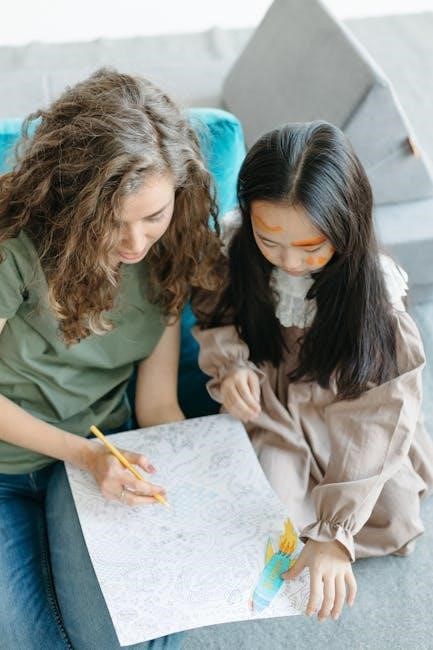
Fostering Healthy Gender Identity
Encourage traditional gender roles through positive reinforcement of masculine and feminine traits‚ ensuring children develop a strong‚ balanced sense of self aligned with societal norms․
4․1 Strategies for Promoting Heterosexual Orientation
Encourage children to interact with opposite-sex role models to foster a natural understanding of gender roles․ Engage them in activities that align with traditional masculine and feminine traits‚ such as sports for boys and creative play for girls․ Provide positive examples of heterosexual relationships through literature‚ media‚ and family interactions․ Teach children to respect and appreciate their gender while understanding the complementary nature of male and female roles․ Address any confusion early and guide them in embracing their biological gender identity‚ promoting a healthy‚ heterosexual orientation․
4․2 The Role of Male and Female Role Models
Positive male and female role models play a crucial role in shaping a child’s understanding of gender and sexuality․ Fathers should embody traditional masculine traits‚ demonstrating strength‚ leadership‚ and responsibility‚ while mothers should model femininity‚ nurturing‚ and emotional connection․ Exposure to balanced role models helps children develop a healthy sense of gender identity․ Encourage interactions with extended family members‚ coaches‚ or mentors who reinforce these roles․ Seeing harmonious male-female relationships fosters admiration for the opposite gender‚ promoting heterosexual orientation and reducing the likelihood of confusion or alternative orientations later in life․
4․3 Encouraging Gender-Appropriate Play and Interests
Encouraging gender-appropriate play and interests is essential for fostering a strong sense of gender identity․ Parents should provide toys and activities traditionally associated with their child’s biological sex․ For boys‚ this might include sports‚ building sets‚ and action figures‚ while girls may benefit from dolls‚ art‚ and nurturing activities․ These pursuits help reinforce natural gender roles and attractions․ By guiding children toward activities that align with their biological sex‚ parents can promote a healthy heterosexual orientation and reduce the risk of gender confusion or alternative sexual interests developing later in life․

Addressing Premature Sexualization
Protecting children from inappropriate content is crucial to prevent premature sexualization‚ ensuring they develop naturally without undue exposure to adult themes that may influence their sexual identity formation․
5․1 Protecting Children from Inappropriate Content
Parents must actively monitor their child’s exposure to media and digital content to prevent premature sexualization․ Setting strict boundaries and using parental controls can shield children from inappropriate material․ Open conversations about what is age-appropriate help children understand societal norms․ Limiting unsupervised internet use and filtering out explicit content are essential steps․ Encouraging wholesome activities and fostering a safe‚ values-driven environment can counteract harmful influences․ By being vigilant and proactive‚ parents can protect their children from content that may prematurely shape their sexual identity or confuse their developing sense of self․
5․2 The Impact of Media on Sexual Orientation
Media significantly influences a child’s understanding of sexuality‚ as it often portrays diverse sexual orientations and lifestyles․ Exposure to content that normalizes non-heterosexual behaviors can shape a child’s perceptions and identity․ Parents must be aware of the shows‚ movies‚ and social media their children consume‚ as these can subtly or overtly promote certain sexual orientations․ Monitoring and guiding media consumption is crucial to ensure it aligns with family values․ Early and consistent parental involvement can help counteract potential influences that may confuse or mislead a child about their sexual identity․
5․3 Teaching Children About Boundaries and Privacy
Teaching children about boundaries and privacy is essential for healthy development and sexual identity formation․ Clear guidelines help children understand appropriate behavior and respect personal space․ Parents should foster open conversations about consent‚ modesty‚ and the importance of privacy․ Leading by example and reinforcing these values helps children internalize them․ Encouraging age-appropriate discussions about body autonomy can prevent confusion or misinterpretation of sexual identity․ Supervising interactions in public spaces and ensuring children feel safe to express concerns are critical steps in promoting a secure and respectful environment that supports their emotional and sexual well-being․
The Importance of Early Intervention
Early intervention is crucial for guiding healthy sexual development․ Identifying signs early allows parents to address behaviors proactively‚ ensuring children align with heterosexual norms and values․
6․1 Why Parents Should Intervene Early
Early intervention is vital as it helps address potential deviations in sexual orientation before they become deeply ingrained․ The formative years are critical‚ and parents play a pivotal role in shaping their child’s identity․ By identifying and responding to early signs‚ parents can guide their children toward heterosexual norms‚ reducing the risk of confusion and ensuring a stable foundation for healthy development․ Timely action fosters an environment where children can align with societal expectations‚ laying the groundwork for a morally and emotionally balanced life․
6․2 Signs of Prehomosexual Behavior in Children
Identifying early signs of prehomosexual behavior is crucial for parents aiming to guide their children toward heterosexual development․ These signs may include persistent preferences for activities or toys typically associated with the opposite gender‚ difficulty relating to same-sex peers‚ or an unusual interest in adult same-sex relationships․ Additionally‚ children may exhibit atypical gender expression‚ such as a boy avoiding sports or a girl showing no interest in dolls․ Parents should remain vigilant for these indicators‚ as they may signal a need for targeted guidance to reinforce traditional gender roles and behaviors․
6․3 How to Encourage Heterosexual Identity Development
Encouraging heterosexual identity development involves fostering traditional gender roles and behaviors․ Parents should provide strong male and female role models‚ ensuring children see examples of healthy heterosexual relationships․ Encourage activities and hobbies aligned with societal gender norms‚ such as sports for boys and creative pursuits for girls․ Positive reinforcement for gender-appropriate behavior is key․ Parents should also promote interactions with same-sex peers to strengthen gender identity․ Open discussions about biological differences and the importance of heterosexual relationships can further guide children toward a heterosexual orientation․ Consistency and patience are essential in nurturing this development․
Psychological and Emotional Factors
Psychological and emotional factors significantly influence a child’s sexual identity․ Self-esteem‚ emotional stability‚ and mental health play roles in shaping orientation․ Parents should foster positive mental health to support heterosexual development․
7․1 The Role of Self-Esteem in Sexual Identity
Self-esteem plays a crucial role in shaping a child’s sexual identity․ Children with healthy self-esteem are more likely to develop a strong sense of self‚ reducing confusion about their orientation․ Parents should foster confidence and resilience to help their child navigate identity formation․ Low self-esteem can lead to uncertainty or exploration of alternative identities․ Encouraging achievements‚ positive affirmations‚ and emotional support can strengthen a child’s self-image․ A secure sense of self-worth helps children resist external pressures and align with heterosexual norms․ Nurturing self-esteem is essential for promoting emotional stability and a clear sexual identity․
7․2 The Impact of Bullying on Sexual Orientation
Bullying can significantly influence a child’s sexual orientation by creating emotional trauma and confusion․ Victims often experience identity issues‚ including internalized shame or confusion about their orientation․ Bullying can lead to self-doubt‚ making children question their natural tendencies․ Parents should be proactive in addressing bullying incidents‚ fostering resilience‚ and providing emotional support․ A supportive environment helps children navigate these challenges without developing lasting confusion or embracing non-heterosexual identities․ Addressing bullying early is crucial to ensure healthy sexual identity development and prevent potential long-term emotional scars․
7․3 The Importance of Emotional Support
Emotional support plays a vital role in helping children navigate sexual identity issues․ Parents who provide a nurturing environment foster resilience and self-esteem‚ which are critical for healthy development․ By actively listening and showing understanding‚ parents can help their child feel secure and valued․ Open communication encourages children to express their feelings without fear of judgment․ This support system helps children develop a positive self-image‚ reducing the likelihood of confusion or non-heterosexual tendencies․ Emotional support is essential for guiding children toward a heterosexual identity and ensuring their overall well-being․

Family Dynamics and Their Influence
Family dynamics significantly influence a child’s sexual identity development․ A stable‚ supportive home environment with clear boundaries fosters healthy relationships and encourages heterosexual orientation through positive role modeling and interaction․
8․1 The Role of Family Environment
A stable and nurturing family environment plays a crucial role in shaping a child’s sexual identity․ Parents who model healthy‚ heterosexual relationships provide a foundation for their child to develop a strong sense of self․ Open communication‚ clear boundaries‚ and consistent values help guide children in understanding their sexuality․ A supportive home environment reduces confusion and encourages children to embrace their gender roles․ Parents should foster a loving atmosphere where their child feels secure‚ allowing them to naturally align with heterosexual norms․ A cohesive family unit strengthens a child’s identity and helps prevent potential deviations in sexual orientation․
8․2 The Influence of Sibling Relationships
Sibling relationships significantly impact a child’s sexual identity development․ Growing up with siblings provides opportunities for learning and modeling behavior‚ which can reinforce gender roles․ Older siblings often set examples‚ influencing younger ones in understanding masculinity or femininity․ Positive interactions between siblings can promote a sense of belonging and alignment with traditional gender norms․ Parents should encourage healthy sibling dynamics‚ ensuring that boys and girls learn from and support each other in ways that align with heterosexual development․ A harmonious sibling environment strengthens gender identity and reduces the likelihood of confusion or deviation from societal expectations․
8․3 The Impact of Extended Family Members
Extended family members‚ such as grandparents‚ aunts‚ and uncles‚ can significantly influence a child’s sexual identity․ Their interactions often reinforce cultural and familial values‚ shaping a child’s understanding of gender roles․ Positive involvement from extended family can promote traditional norms‚ while conflicting viewpoints may create confusion․ Parents should be mindful of the beliefs and behaviors modeled by extended family‚ ensuring alignment with their goals for the child’s heterosexual development․ Open communication with relatives and setting clear boundaries can help mitigate unwanted influences and foster a supportive environment for healthy gender identity formation․

Cultural and Societal Influences
Cultural norms and societal trends significantly shape perceptions of sexuality‚ influencing children through peer interactions and media․ Parents must navigate these influences to guide their children effectively․
9․1 The Role of Culture in Shaping Sexual Orientation
Cultural norms and societal expectations play a significant role in shaping sexual orientation and identity․ Traditional values often emphasize heterosexuality‚ influencing children’s perceptions․ Parents should be aware of how cultural messages‚ media‚ and community attitudes may impact their child’s understanding of sexuality․ By promoting traditional values and fostering a supportive environment‚ parents can help guide their child toward a heterosexual identity․ Understanding cultural influences is crucial for addressing potential deviations early and providing appropriate guidance․ Open communication about societal norms and expectations can aid in reinforcing desired values and behaviors․
9․2 The Impact of Peer Pressure
Peer pressure significantly influences a child’s sexual identity‚ especially during adolescence; Children often seek acceptance from their peers‚ which can lead to experimentation or adoption of behaviors that deviate from traditional norms․ Parents must monitor their child’s friendships and social interactions to prevent undue influence․ Encouraging strong‚ heterosexual peer relationships can help reinforce desired values․ A supportive home environment and open communication about peer pressure are essential․ Teaching children to resist harmful influences and make wise decisions aligns with guiding them toward a heterosexual identity․ Vigilance and proactive parenting are key to countering negative peer impacts․
9․3 Navigating Societal Trends
Modern society increasingly promotes diversity and acceptance of non-traditional lifestyles‚ which can challenge parents aiming to guide their child toward heterosexuality․ Cultural shifts‚ media representation‚ and the normalization of LGBTQ+ identities create a complex environment for children․ Parents must remain vigilant about societal influences and counteract messages that may contradict their values․ By fostering a strong sense of identity and moral framework at home‚ parents can help their child resist external pressures․ Encouraging involvement in activities that align with traditional values and providing positive role models can mitigate the impact of societal trends․

Religious and Moral Perspectives
Religious and moral perspectives play a crucial role in shaping a child’s sexual identity․ Faith-based teachings provide guidance for parents aiming to instill heterosexual values and traditional beliefs․
10․1 Religious Teachings on Homosexuality
Religious teachings on homosexuality vary across faiths but often emphasize traditional values․ Many religions‚ such as Christianity‚ Judaism‚ and Islam‚ view heterosexual relationships as the divine norm․ Biblical teachings‚ for instance‚ frequently highlight the sanctity of marriage between a man and a woman․ Some religious doctrines interpret homosexuality as a sin or deviation from natural order‚ encouraging followers to uphold heterosexuality․ These beliefs shape parental attitudes‚ influencing their approach to guiding children toward heterosexual identities․ Religious communities often provide resources and support for families aiming to align their children’s sexual orientation with faith-based principles and moral frameworks․ These teachings remain central to many parents’ guiding philosophies․
10․2 Integrating Faith into Parental Guidance
Integrating faith into parental guidance provides a moral compass for addressing sexual identity․ Many parents draw strength from religious teachings‚ using them to foster values aligned with heterosexual norms․ Encouraging prayer‚ scripture study‚ and open discussions about faith can help children internalize these beliefs․ Religious communities often offer support groups and resources to reinforce traditional family values․ By aligning guidance with spiritual principles‚ parents can create a nurturing environment that reflects their faith-based goals for their children’s sexual identity and overall well-being․ This approach emphasizes love‚ compassion‚ and adherence to religious teachings․ Many families find comfort in this holistic method of parenting․
10․3 Moral Values and Sexual Identity
Moral values play a significant role in shaping a child’s sexual identity by providing a framework for understanding right and wrong․ Parents can instill respect for traditional values‚ emphasizing the importance of self-worth and responsibility․ By teaching children to align their actions with their moral beliefs‚ parents help them navigate decisions about sexuality with confidence․ Clear communication about moral expectations ensures children understand the significance of their choices․ Consistently modeling moral behavior reinforces these lessons‚ creating a foundation for healthy identity development grounded in ethical principles․
Educational Resources for Parents
Explore books‚ online communities‚ and expert-led webinars offering guidance on understanding and addressing sexual identity․ These resources provide practical advice and support for parents․
11․1 Recommended Reading Materials
Several books and publications offer insights into understanding and addressing sexual identity in children․ Titles like “The Homosexual Agenda” and “A Parent’s Guide to Preventing Homosexuality” provide perspectives on the topic․ These resources often include psychological insights‚ practical advice‚ and testimonials from experts and families․ Some books focus on faith-based approaches‚ while others emphasize scientific research and developmental strategies․ Libraries and online retailers typically carry these materials‚ making them accessible to parents seeking guidance․ Reading these can help parents better understand their child’s development and make informed decisions․
11․2 Online Resources and Support Groups
Parents seeking guidance can access numerous online resources and support groups․ Websites like FamilyWatch International and Parents’ Rights in Education offer articles‚ webinars‚ and forums․ These platforms provide expert advice‚ personal testimonials‚ and practical strategies․ Online support groups‚ such as Parents for Truth‚ connect families facing similar challenges‚ fostering a sense of community․ Many resources are tailored to specific concerns‚ offering secular or faith-based perspectives․ These online tools empower parents with knowledge and reassurance‚ helping them navigate complex issues effectively while maintaining their values and goals for their children․
11․3 Workshops and Seminars for Parents
Workshops and seminars provide parents with interactive learning opportunities to address concerns about sexual orientation․ Organizations like Focus on the Family and Alliance Defending Freedom host events featuring expert speakers․ These sessions cover topics such as child development‚ gender identity‚ and effective communication․ Many workshops offer practical tools and strategies to promote heterosexual identity․ Some programs are faith-based‚ integrating religious values into parenting approaches․ Parents can also engage in Q&A sessions and group discussions‚ creating a supportive environment for shared learning and mutual encouragement․
12․1 Summary of Key Points
This guide emphasizes the importance of parental roles in shaping a child’s sexual identity․ Understanding homosexuality‚ fostering healthy gender identity‚ and addressing premature sexualization are crucial․ Parents should encourage open communication‚ provide strong role models‚ and promote gender-appropriate activities․ Early intervention‚ protecting children from inappropriate content‚ and teaching boundaries are essential․ Psychological factors like self-esteem and bullying impact sexual orientation‚ while family dynamics and cultural influences also play significant roles․ Integrating faith and moral values can guide parents in nurturing heterosexual identity․ By being proactive and supportive‚ parents can help their children develop confidently and securely․
12․2 Encouragement for Parents
Parents play a vital role in guiding their children’s development․ Trust your instincts and create a nurturing environment where your child feels safe and valued․ Stay informed‚ engage in open conversations‚ and model the behaviors you wish to see․ Patience and unconditional love are key in helping your child navigate their identity․ Don’t hesitate to seek support when needed‚ and remember‚ your efforts can make a meaningful difference․ Focus on fostering resilience‚ confidence‚ and a strong moral foundation․ Your dedication and care are your child’s greatest assets․
12․3 Hope for the Future
Every parent’s efforts to guide their child’s sexual identity are meaningful and impactful․ With patience‚ love‚ and consistent values‚ you can help your child navigate their development confidently․ Society’s understanding of sexual orientation is evolving‚ offering more support and resources for families․ By fostering resilience and providing a strong moral compass‚ you empower your child to embrace their true self․ Remember‚ your influence is profound‚ and your commitment to their well-being is a lasting gift․ Stay hopeful and focused on nurturing a future filled with purpose and authenticity for your child․